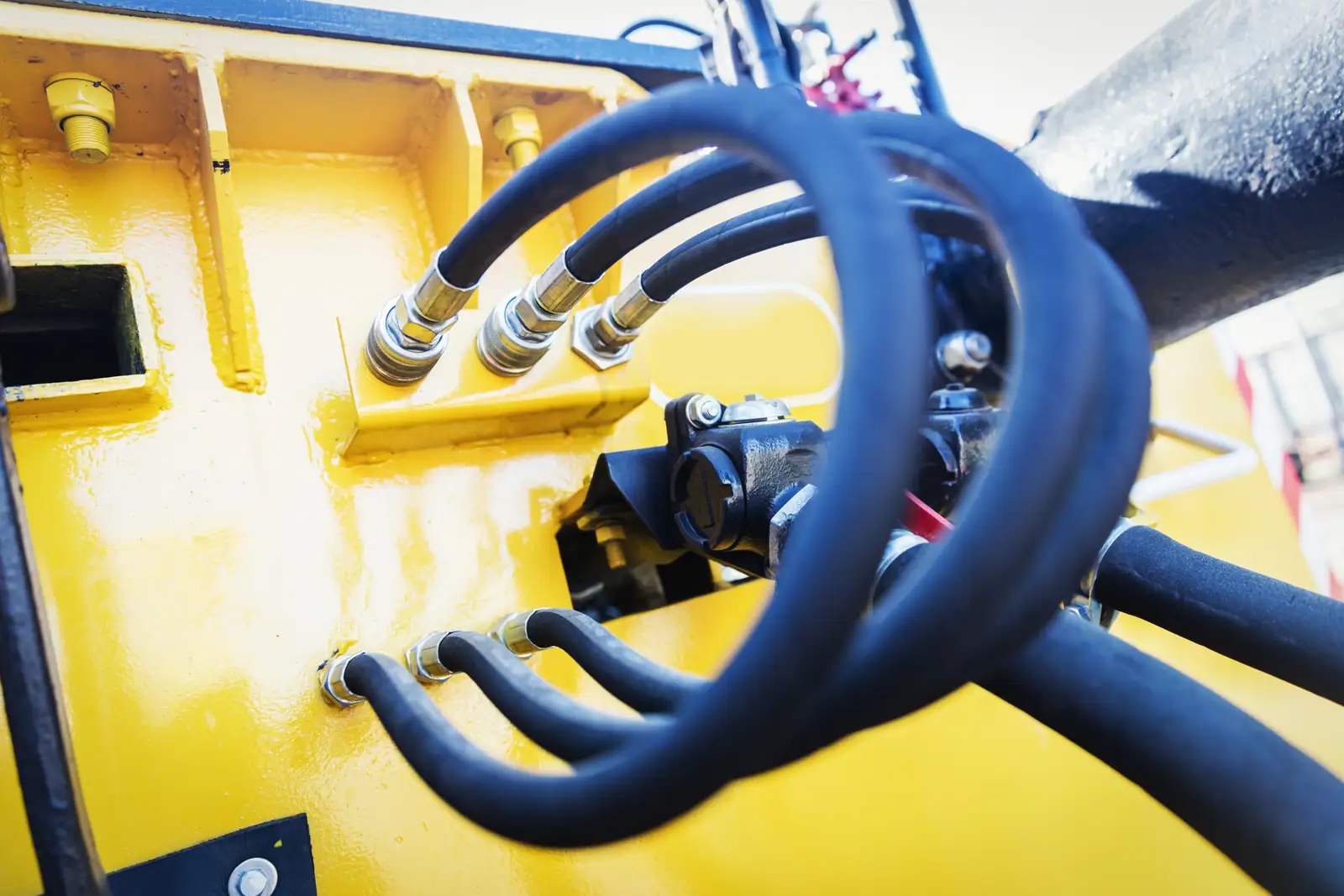
Keep a reported fault from becoming another lost working day.
Give the workshop the machine details, photos and repair history it needs. Follow the work and approvals while the equipment is out of service.
Captured at source.
Bring the site report into the repair record.
When an operator reports damage or a fault, the next person needs more than a short message. Keep the issue, supporting photos and work order with the machine.
- Review reported faults and attachments.
- Follow open work orders and their status.
- Keep service dates and meter readings with the asset.
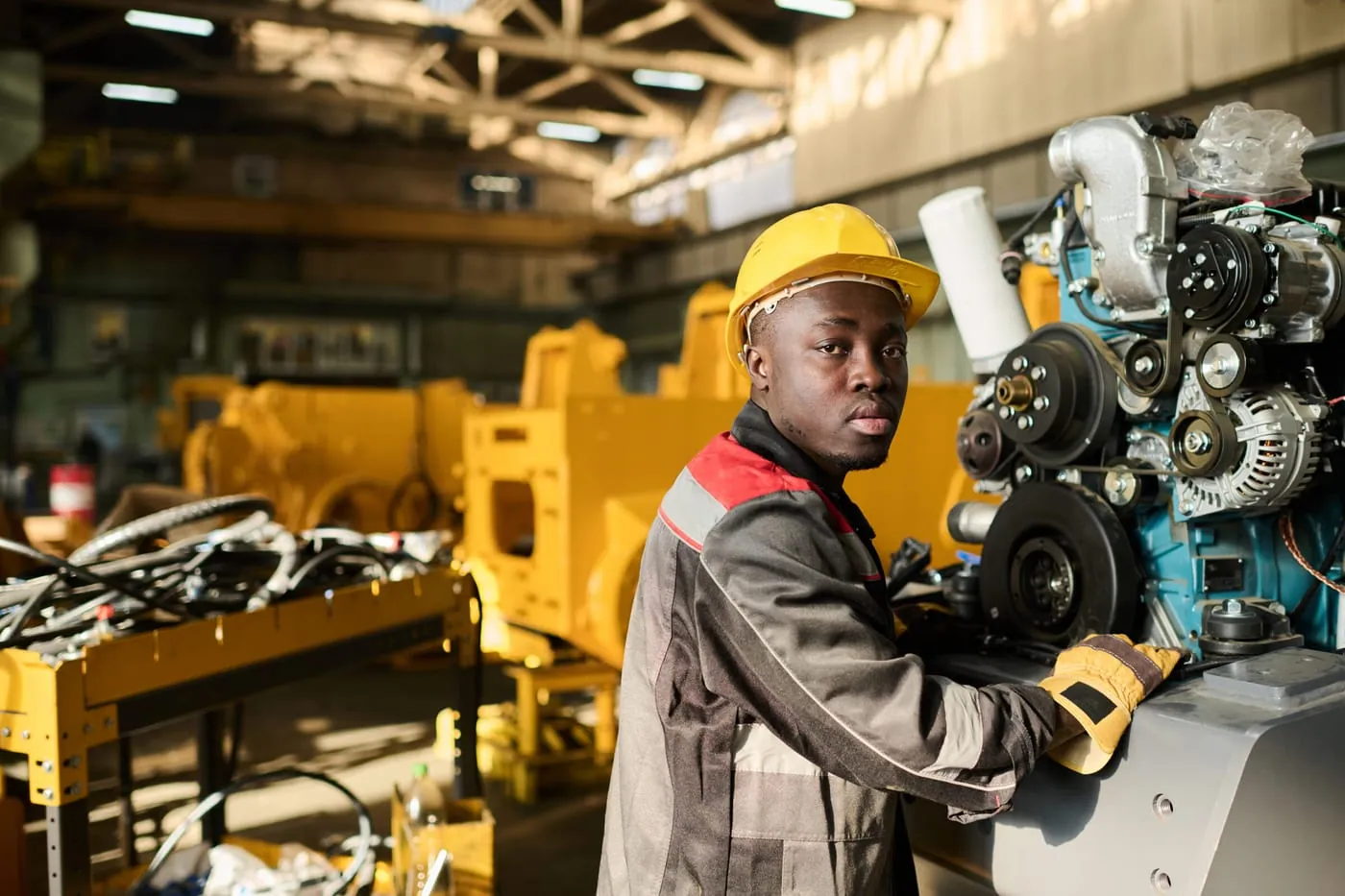
Look at the history before paying for another repair.
Review earlier faults and maintenance records alongside the machine's running costs. Use that history when deciding what needs repair, closer inspection or replacement.
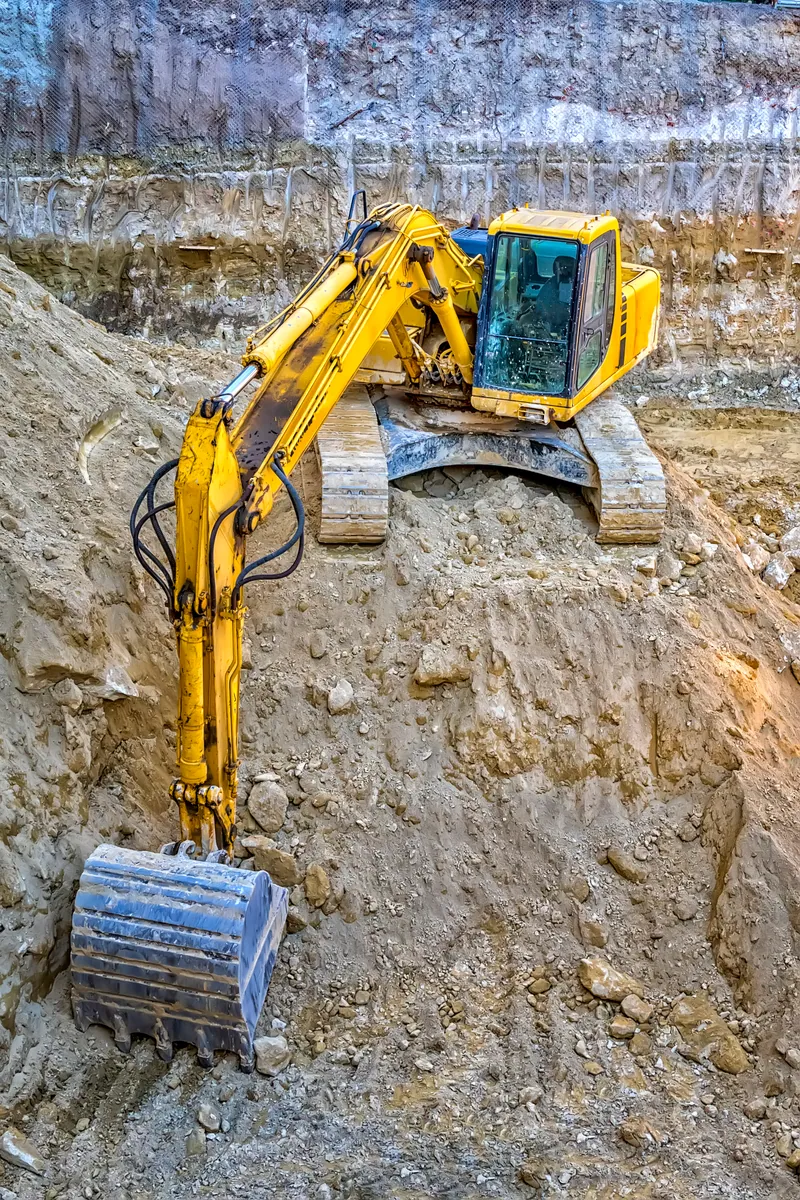
Which repair keeps coming back to your workshop?
Start with a free 30-minute audit. Leave with a short summary of the gaps and practical steps to address first.
Arrange your free audit →Questions before you start
Can we record damage to hired-out equipment?
Yes. Report the issue against the machine and attach supporting photos. Keeping the condition, fault and repair records together helps your team review what happened during the hire.
Can we keep service information by machine?
Yes. Equipment records include service dates, meter readings and maintenance information, alongside reported faults and work orders.
Can the workshop review repair approvals?
Darikoda includes work orders and approval records, so your team can check the request and its status alongside the equipment issue.
Is it suitable for a mixed fleet?
The equipment record is held by asset. The audit reviews the machines you run, your service process and the information your workshop needs.
Patterns described here are drawn from extensive field audits and industry research across Ghana's mining, construction, roadworks, and quarry sectors. No specific operator is named or identifiable.