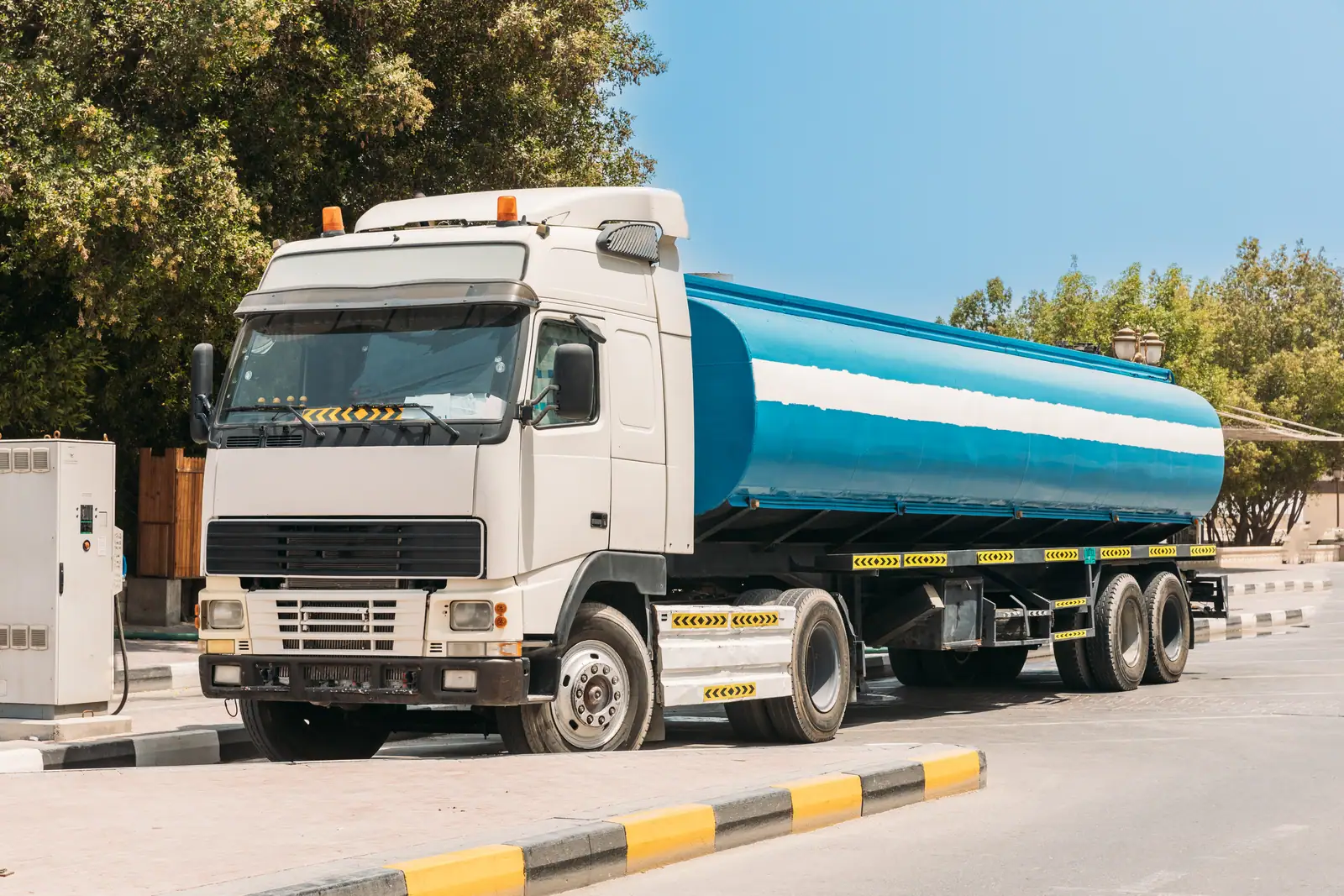
When the fuel figures do not add up, find the records behind them.
Keep fuel issued, machine hours and the operator together. Give your team the details to investigate unusual use across your fleet.
Captured at source.
Record the fuel while the machine is there.
A site total tells you what was issued. The individual record helps you follow it to the machine, person and work behind the cost.
- Litres issued and the machine receiving them.
- Operator, site, time and hour-meter reading.
- Supporting photos with the fuel entry.
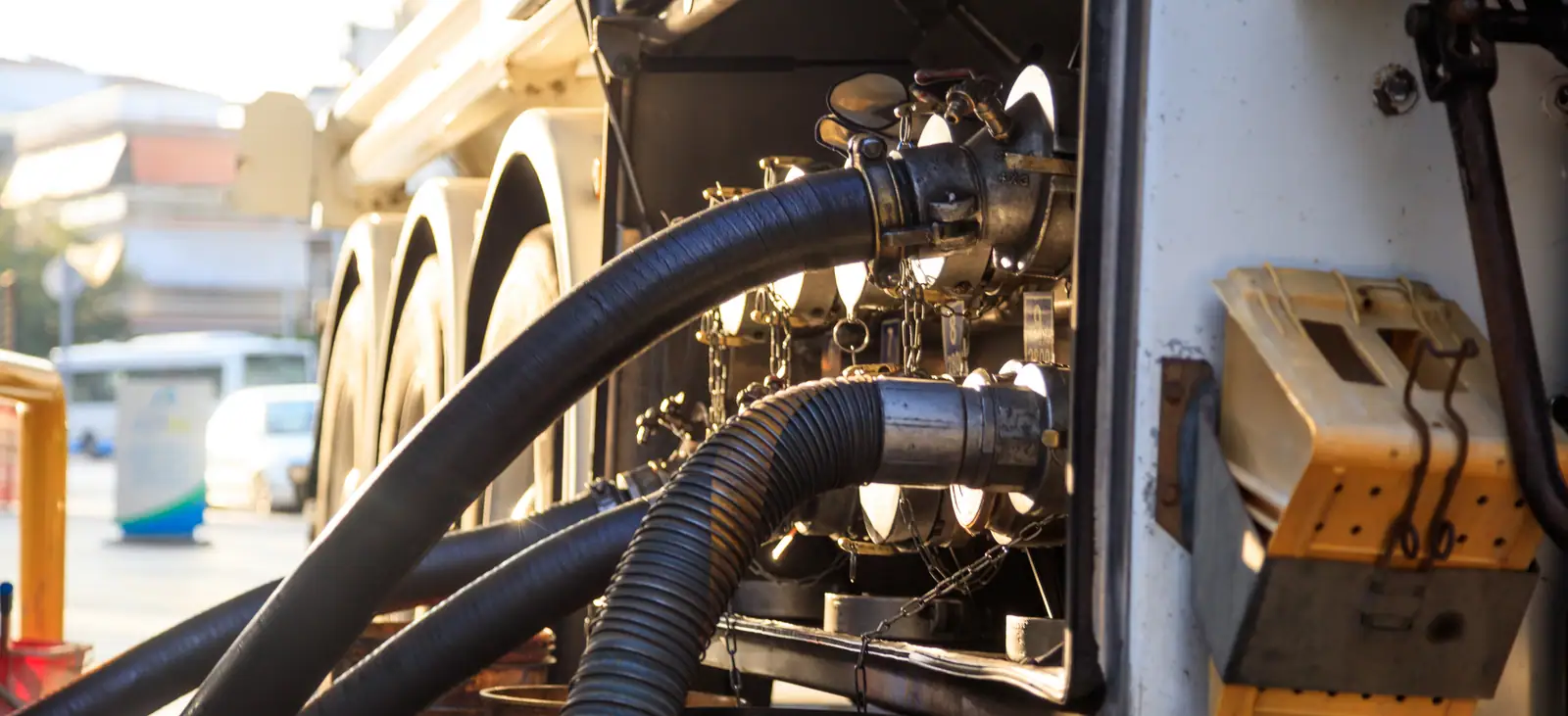
Check the difference before it becomes a month-end argument.
Review fuel use alongside machine hours and available consumption data. Open the supporting records to check a reading, a change in work or a possible loss.

Which part of your fuel bill is hardest to explain?
Start with a free 30-minute audit. Leave with a short summary of the gaps and practical steps to address first.
Arrange your free audit →Questions before you start
What is fuel reconciliation?
It means checking that fuel received, stored and issued can be accounted for, then comparing machine use with the available readings. Differences show where a record or physical check is needed.
Can we review fuel by machine and site?
Yes. Fuel entries carry the machine and site details, so your team can review the records behind an individual asset's use.
Do we need to replace our meters or trackers?
Your existing readings and equipment are part of the setup review. We agree how the fuel record will use the information available on your sites.
Who is it for?
Fleet owners and managers in Ghana's mining, construction, roadworks and equipment rental businesses who need clearer records of diesel issued and used.
Patterns described here are drawn from extensive field audits and industry research across Ghana's mining, construction, roadworks, and quarry sectors. No specific operator is named or identifiable.