DARIKODA

Operational intelligence

The operating record for mining contractors and full miners in Ghana

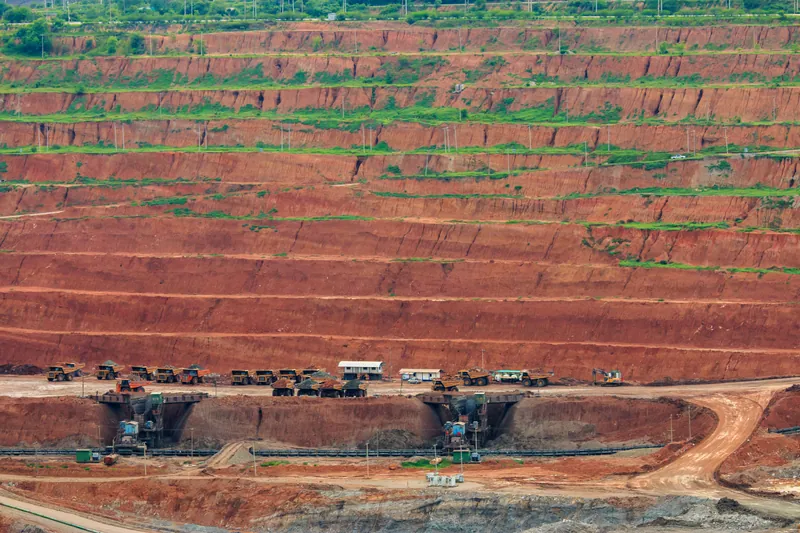
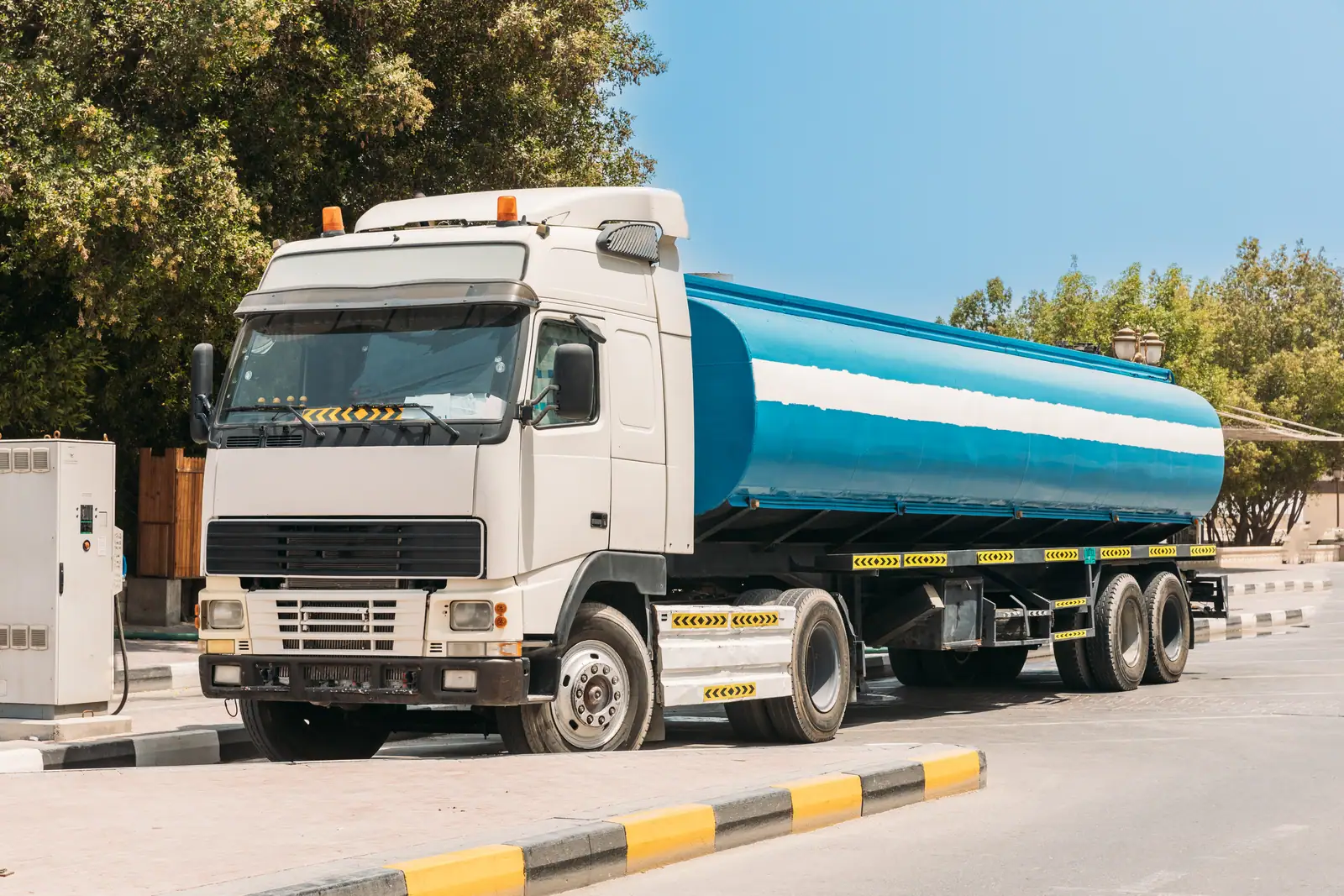
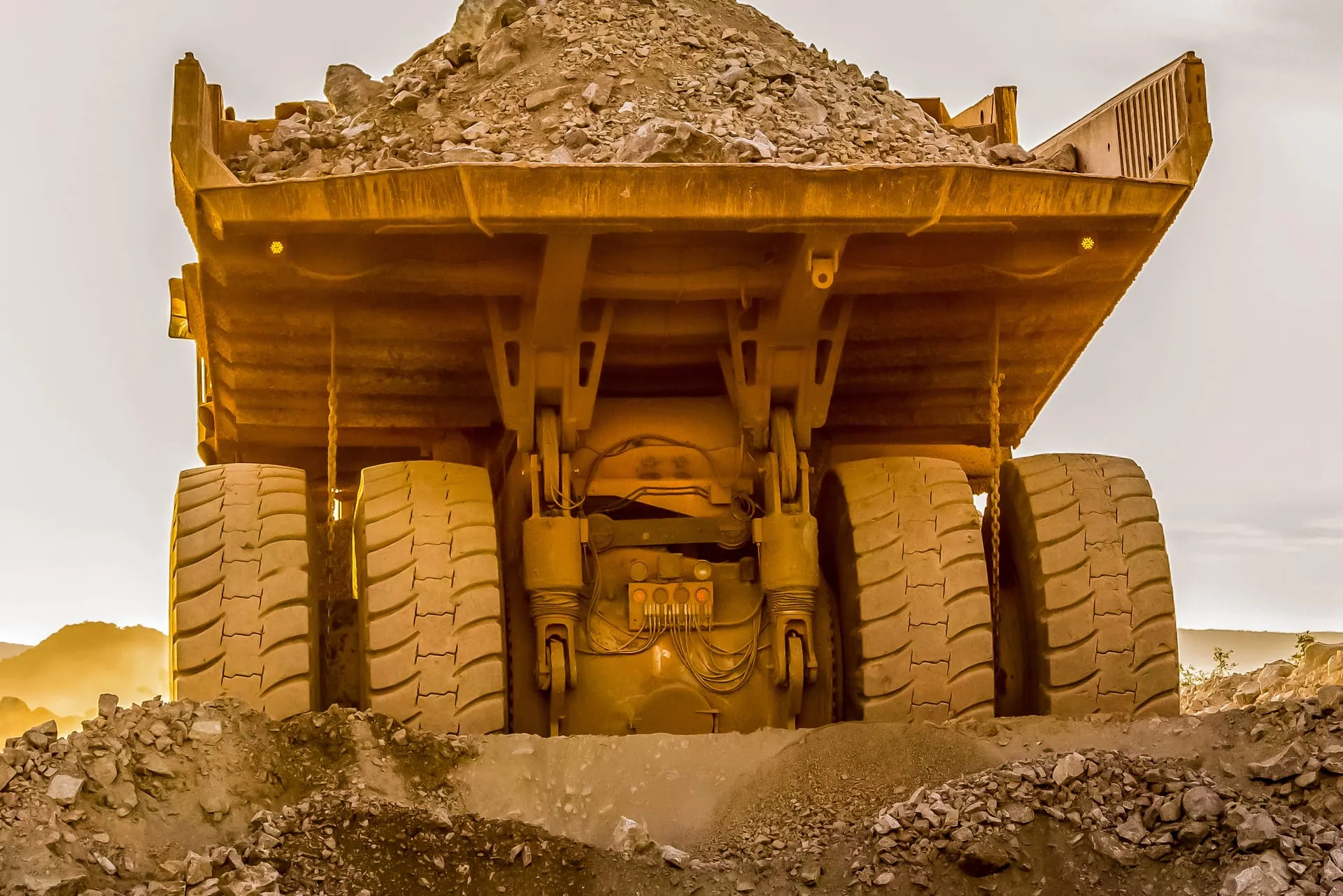
Mining operation in Ghana with heavy haulage fleet
Darikoda · Mining Operations Ghana

The mine measures the work. The contractor evidences the work. When your evidence is weaker than the mine's, you pay the difference.

The client checks the hours. The consultant watches the rates. The contractor defends the evidence.

Darikoda is the operating record between what your machines did and what you can defend at month-end. Fuel events, hour-meter attribution, mechanical availability, cost-per-tonne. Captured at source.

Typical reply within the hour during UK and Ghana business hours

Darikoda gives Ghana mining contractors and full miners defendable evidence on billable hours, fuel from the bowser, mechanical availability, and cost-per-tonne. Captured at source, structured for the Minerals Commission, built offline-first.

Where mining margin leaks while the GM is busy on something else.

From Theo

Every mining contractor I sit with tells me the same thing. The fuel doesn't reconcile. The hour-meter readings don't match the mine's. The hired excavator is costing more than the owned fleet but you cannot prove it cleanly. The GM holds it together. You can feel the money walking out. You cannot point at it.

Hour-meters drift between fuel events. Engine-hour servicing gets pushed because parts are still on the road from Tema. Operators rotate across machines and the behavioural variance hides inside the team average: fuel burn, output per hour, machine care.

The GM holds the picture together by experience and instinct. That works at three excavators. It stops working when the fleet, operator pool, contract count, and reporting burden grow at the same time. By the time the gap reaches the IPC, the dispute is already happening.

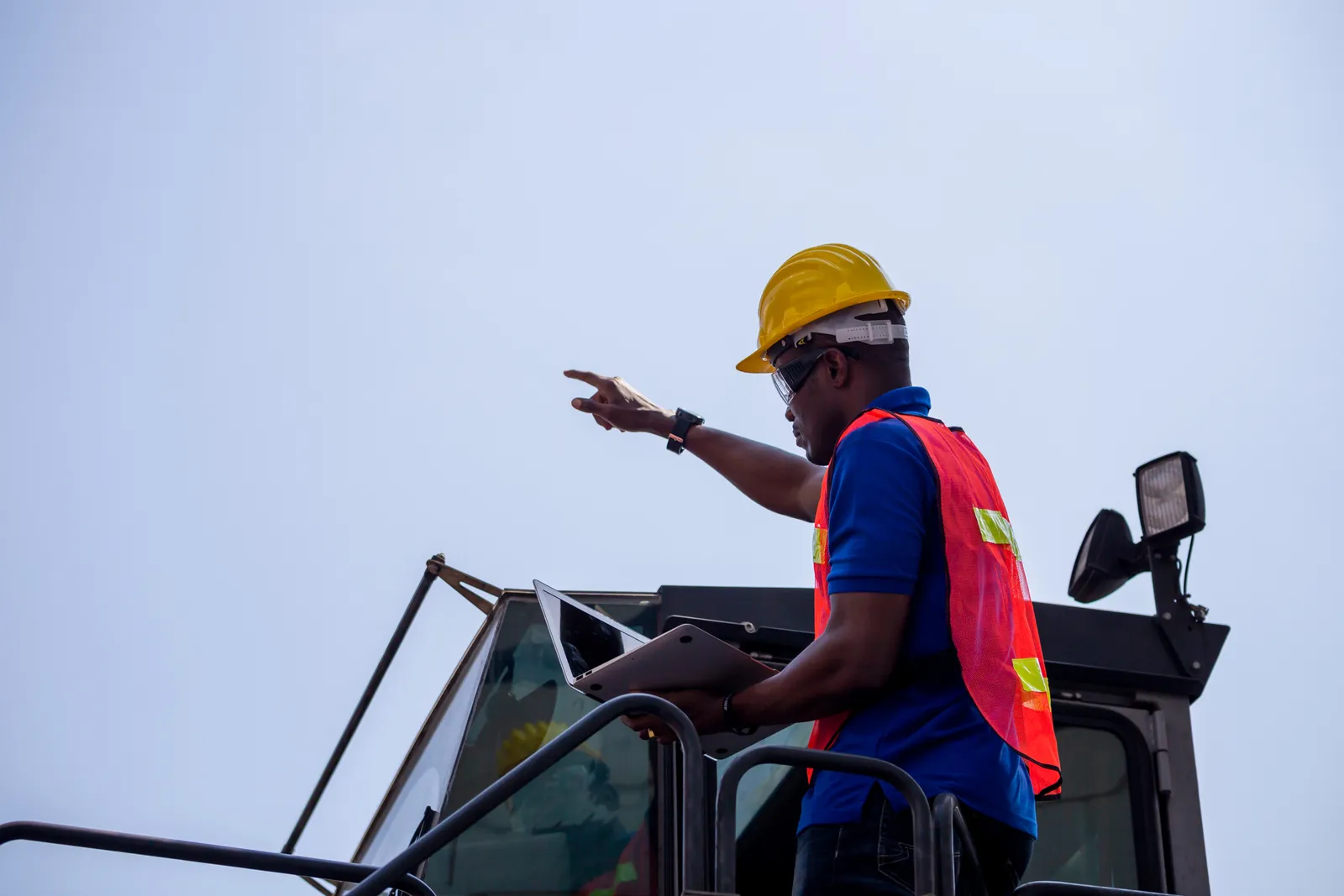
Mining contractor reviewing operational data on tablet

Three roles. Three versions of the same gap.

What the mine measures, and what you can prove.

What you see

Your hour-meter log shows M-04 ran 9 hours yesterday.

What you don't

The mine's record shows 7. Two billable hours, in dispute, no defence.

What you see

Monthly diesel reconciles roughly against fleet hours.

What you don't

The 12% variance you cannot prove is wearing one operator's machine three times faster than the others.

What you see

The CAT excavator clocked 180 engine-hours this month.

What you don't

40 of them were idle, parked, engine running. Your contract gets billed on hours. The mine asks why the production matched 140.

What you see

Hired excavator invoice came in at GHS 84,000 this month.

What you don't

Per-tonne, it's costing you 73% more than the owned fleet equivalent. The renewal conversation has no per-asset evidence behind it.

What you see

Mantrac says the parts shipped Monday.

What you don't

The bowl float arrived Friday. Five productive days lost on a machine billing at USD 130/hour.

Every operator I have audited has a version of this story. The details vary. The shape does not.

ARCHETYPE 1 · LEAD SEGMENT

If you're a mining contractor.

You don't own the concession. You provide services to a mining client: crushing, hauling, drilling, road maintenance. Usually 3 to 15 heavy assets. Day-works billing or per-hour billing. Contract cycles 1 to 3 years.

What you care about

  • Defending billable hours

    Day-works billing means hours equal revenue. Hour-meter readings need to be captured at events the client can verify, not reconstructed at month-end.

  • Fuel evidence at the mine's bowser

    Where the mine stores and dispenses, your operator writes what was received. If your operator is absent, the mine's number becomes the default. One of your largest cost lines is weakly evidenced at source.

  • Hired vs owned cost visibility

    A hired excavator's economics deserve a hard answer at renewal. Without per-asset operating cost, renew-or-replace is guesswork.

  • Servicing delays and parts lead times

    Critical wear items from Tema with two-week lead times erase productive hours before the loss is visible in a month-end summary.

  • Mechanical availability the mining client can verify

    Availability is your defence against client pressure. Without per-asset uptime evidence, the client's number wins the dispute.

  • Operator attribution

    On self-operated sites (your own quarry, your own yard, direct-employ operations) the full operator-attribution layer activates: fuel efficiency, output per hour, equipment care become visible per operator and become the basis for coaching, recognition, and fair pay. On road or mine support contracts where machines are rented to subcontractors, the same per-machine attribution defends billable hours, defends fuel deductions, and protects asset condition when the operator works for someone else.

  • Compliance

    Minerals Commission certification, safety reporting, insurance records. All of it needs a defendable record trail.

Proof point

Protecting roughly six billable hours a month covers the pilot fee. At day-works rates, the maths is concrete and small.

ARCHETYPE 2 · FULL MINER

If you run the mine.

You own the concession. You control the whole process: extraction, hauling, processing, royalty payments to the Minerals Commission. Small-scale formalised, mid-tier, or larger. The cost-per-tonne discipline is the difference between a mine that compounds margin and a mine that pays for idle assets.

What you care about

  • Cost-per-tonne

    The golden metric. Per haul road, per truck, per shift, per operator. Live, not lagged.

  • Cost-per-ounce

    After the new sliding-scale royalty regime. The royalty curve is steeper at high gold prices, which means avoidable operating leakage hurts more.

  • Stripping ratio visibility

    The relationship between waste moved and ore exposed, tracked over time, with cost attribution.

  • Mechanical availability above 85%, physical above 90%, utilisation above 75%

    The targets that separate a mine making money from a mine paying for idle assets.

  • Minerals Commission compliance

    Under L.I. 2431 sixth edition (effective January 2025).

  • Fuel integrity

    Across the full bowser-to-engine chain.

  • Tyre life on OTR tyres

    Six per truck, USD 30-60K each, USD 180-360K per set. Attribution per operator, haul road, loading style is real money.

Proof point

If two haul trucks run the same route with the same load and one costs GHS 15/tonne and the other costs GHS 8/tonne, would you know? And what would you do?

ARCHETYPE 3 · MINING SUBCONTRACTOR

If you're a subcontractor.

Drilling crew, blast crew, water-bowser fleet, tyre service crew. Usually 1-5 assets. One layer below the contractor.

The proof point is simple: a defendable, time-stamped log of work done that you can hand to the contractor's QS at end-of-shift. No reconstruction. No memory dispute. The hours you worked are the hours that get billed.

02 / The platform · applied to mining

Three engines, applied to mining.

The same operating-record logic that runs underneath every Darikoda deployment, surfaced in mining's native vocabulary.

01Engine

Cost-per-tonne, cost-per-ounce

The golden metrics. Per haul road, per truck, per shift, per operator. Visible the moment the work happens, not at month-end after the variance has disappeared into the ledger. At typical Ghana day-works rates of USD 130 to 138 per hour, per-asset cost evidence turns renew-or-replace from instinct into decision.

02Engine

Mechanical and physical availability

85% mechanical, 90% physical, 75% utilisation: the targets that separate a mine making money from a mine paying for idle assets. Tracked per machine, not per fleet. The asset pulling the average down is named.

03Engine

Fuel integrity at the bowser

The mine stores it. The mine dispenses it. Your operator writes what was received. When your operator is absent, the mine's number becomes the default. One of your largest cost lines, weakly evidenced. Structured capture with operator, machine, project, time, and quantity attribution closes the gap. Five percent recovery on a USD 100,000 monthly diesel spend is USD 5,000 back to margin every month. One line item. (Illustrative model, your number from the audit.)

From Theo

The maths is not abstract. Protecting six billable hours per month at day-works rates covers the pilot fee. Five percent recovery on a USD 100,000 monthly diesel spend is USD 5,000 back to margin every month. One line item. (Illustrative model, your number from the audit.) The decision is not whether the leakage is happening. It's whether you want the evidence in your hands or the mine's.

The numbers are not uniform. On one mine I sat with, the leak was 8 percent on fuel, operator absent at the bowser, mine's number became default. On another it was day-works hours, two contested every shift, four hours of revenue gone each week. The audit is built to find which one is true for your operation.

Where the maths stops being abstract.

01Frame

Defending billable hours

Old way

Operator's log says 9 hours. Mine's log says 7. The QS asks for proof. You have a notebook entry, no timestamp, no GPS, no operator PIN.

On Darikoda

M-04. 09:12 start. 18:23 stop. Operator Kwame PIN-attributed. GPS confirms position. 9.18 hours. The QS sees the same record you do.

6 billable hours / month

the protection threshold that covers the pilot fee at day-works rates.

02Frame

Fuel at the mine's bowser

Old way

Operator absent for the fuel event. Mine writes 320L. Your monthly reconciliation shows the discrepancy, but it's three weeks late and the receipt is unsigned.

On Darikoda

320L dispense. Operator PIN at the event. Photo of the pump reading. GPS-confirmed position. Time-stamped. Sync state visible. If you challenge the number, you have the record.

USD 5K / month

5 percent recovery on a USD 100K monthly diesel spend. One line item.

03Frame

The hired excavator renewal

Old way

The excavator costs GHS 84K/month to hire. Is it earning that back? The GM thinks yes. Finance thinks no. The renewal happens on instinct.

On Darikoda

Per-asset cost-per-tonne. 73% above the owned-fleet benchmark on the same route. The renewal conversation has a number behind it.

1 dashboard view

renew-or-replace decisions evidenced live, not reconstructed from three weeks of spreadsheet pulls.

Regulatory frame

L.I. 2431 and the regulatory frame.

Ghana's sixth-edition mining local procurement list, effective January 2025. Penalties up to USD 10,000 monthly for non-compliance. The framework shapes which categories of goods and services must come from Ghanaian-owned companies, and how mining contractors structure their supply chain. Source: Minerals Commission Sixth Edition Procurement List (PDF, January 2025).

Honest disclosure: Ilori Streamline Ltd (the company behind Darikoda) is UK-registered with active Ghana operating presence, working alongside Ghana-registered partner engineering firms where the regulations require it. Specifics, including category count and source-document caveats, are in the FAQ below.

Regulatory context last reviewed: 28 May 2026. Sources: Minerals Commission, Reuters, GhIE, Ministry of Finance Budget Statement.
Sliding-scale royalty regime

Gold royalties rise as commodity prices rise. Operating leakage becomes harder to absorb.

Under Ghana's new sliding-scale royalty regime in force since March 2026, gold royalties rise as commodity prices rise. For mine owners and contractors, that makes avoidable operating leakage harder to absorb. Every cent of cost-per-ounce drift matters more when the royalty curve is steeper at high prices.

The cost-per-tonne and cost-per-ounce visibility Darikoda surfaces is the operational lens through which the royalty exposure becomes manageable.

Regulatory context last reviewed: 28 May 2026. Sources: Minerals Commission, Reuters, GhIE, Ministry of Finance Budget Statement.
Built so the record survives the pit.

  • Every field write saves locally first, syncs when signal returns. Your operators don't wait for 4G.
  • Every transaction has a sync state, saved, queued, synced, failed. No more "did it go through?"
  • Every action is attributed to a person, role, device, and time. No silent edits to history.
  • Shared tablets use PIN-level worker attribution. No one is logged in as someone else.
  • Failed syncs create visible issues, not silent gaps.
  • Finance and operations see the same record. Your existing accounting or ERP gets fed the per-machine truth it cannot produce on its own.
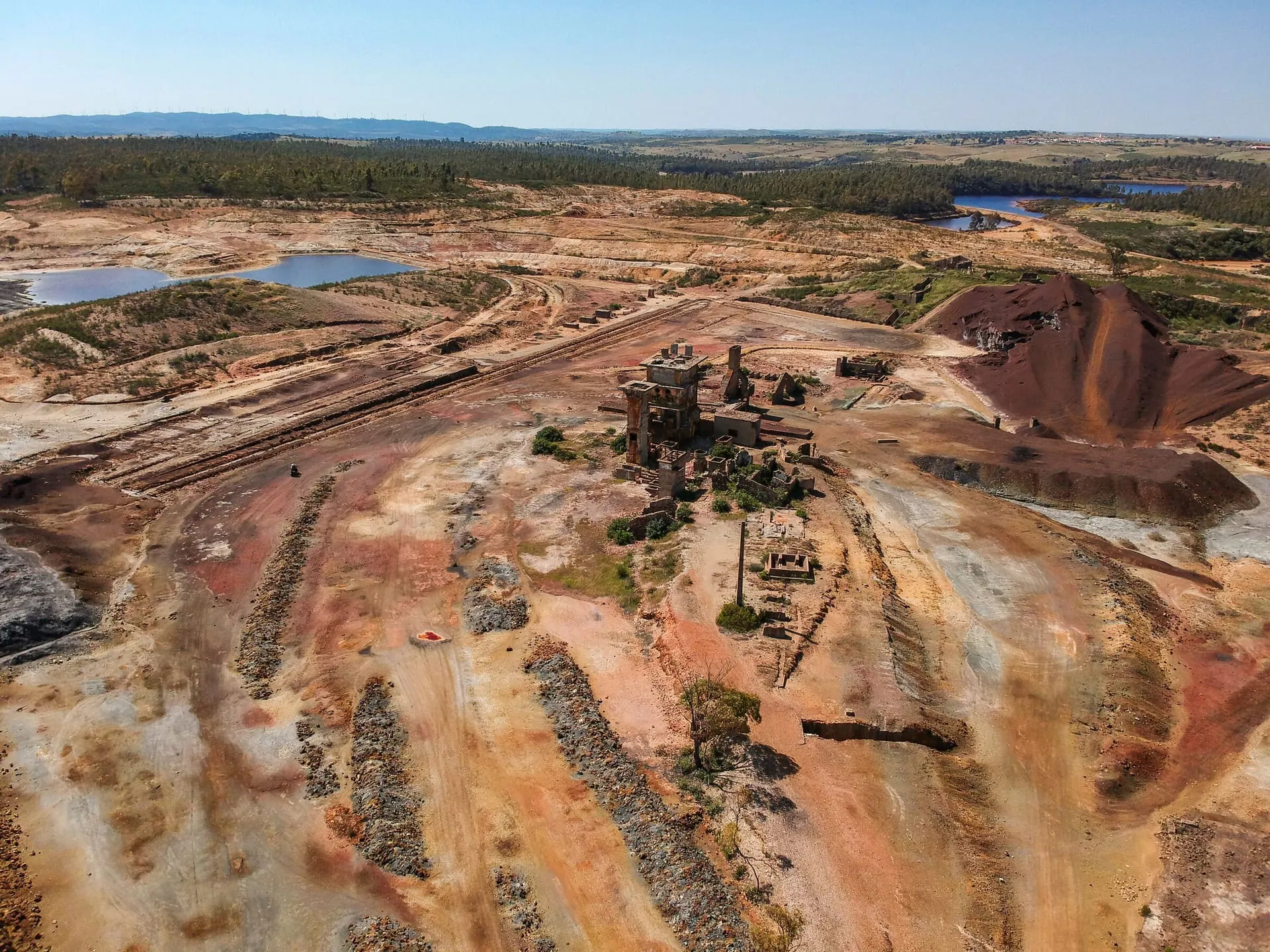
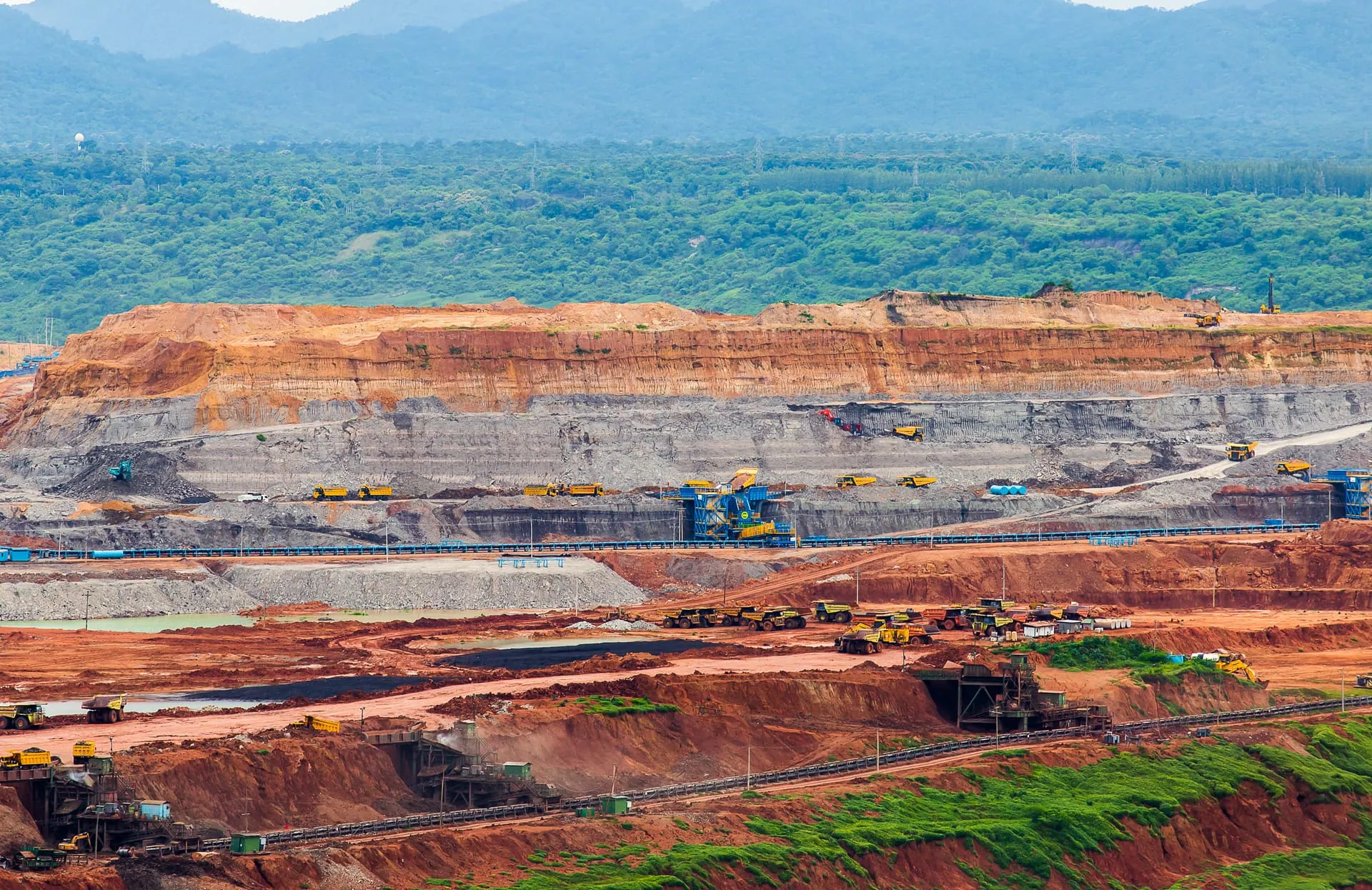
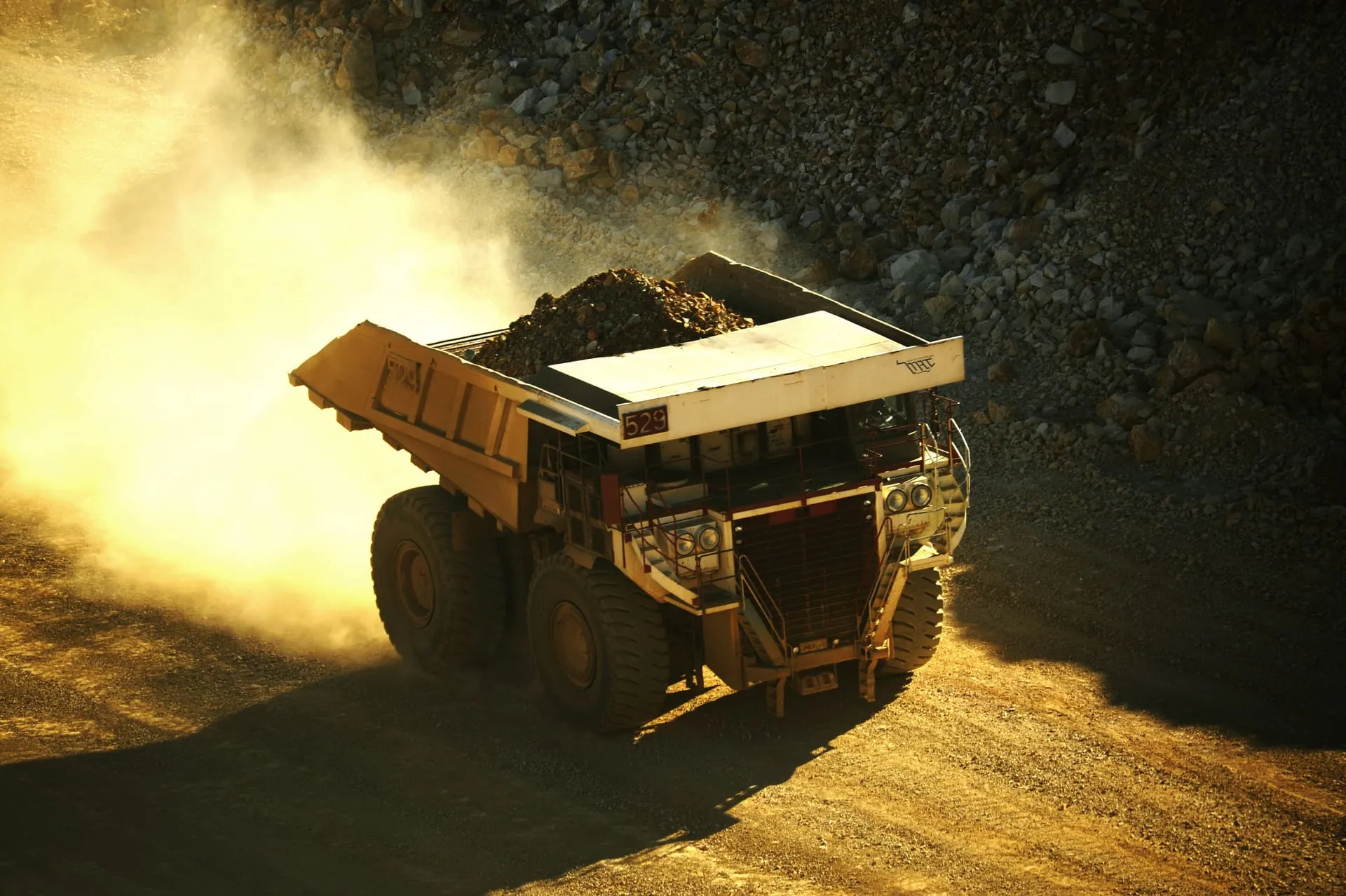
Aerial view of mining operations in Ghana

Built so the record survives the pit

Cross-vertical reach

Many mining contractors also rent equipment to subcontractors.

Charging by hours, supplying fuel, deducting both from the subcontractor's payment. If that's your model, the deduction-game framing applies directly. The same per-machine attribution defends billable hours to the mining client AND defends deductions from the subcontractor.

Mining-specific FAQ.

Common questions from mining contractors, full miners, and mining subcontractors.

Are you compliant with L.I. 2431?

Darikoda is a software product. Ilori Streamline Ltd, the company behind Darikoda, is a UK-registered entity (Company No. 16378536) with active Ghana operating presence and works alongside Ghana-registered partner engineering firms where the Minerals and Mining Local Content Regulations require it. The procurement-list framework is part of how we built the product. Ghana-specific operating reality is the first context, not a localisation afterthought.

How many categories are on the L.I. 2431 procurement list?

The January 2025 sixth-edition document, published by the Minerals Commission, lists 52 reserved categories for Ghanaian-owned companies. Note: the Minerals Commission's live HTML procurement-list page may still show earlier editions (41 items in the fourth edition, 50 items in the fifth). When the live page is updated, we follow the latest Commission-published list. Source: Sixth Edition of the Procurement List, January 2025 (mincom.gov.gh PDF).

Do you replace OEM telematics like Cat Product Link or KOMTRAX?

No. Cat Product Link, KOMTRAX, VisionLink, Sky Ledge, and Introma do GPS, hour-meter telemetry, and machine-health alerts well. Darikoda is the operating record above that: the layer that ties machine hours to billable contracts, fuel events to invoiced cost, operator behaviour to per-asset performance, downtime to root cause. We integrate where useful. We do not replace the OEM stack.

What if our fleet is mixed-OEM?

Mixed fleets are the norm in Ghana. Darikoda is OEM-agnostic. The operating record is captured at the operational layer (operator, project, shift, fuel event, downtime cause) so the asset record is consistent whether the machine is a CAT, Volvo, Komatsu, or Hitachi. Telemetry integration where it exists is additive, not required.

What's the minimum fleet size where Darikoda makes sense?

For mining contractors with day-works billing, the maths can work from 3 heavy assets, protecting roughly six billable hours a month covers the pilot fee. For full miners running owned production fleet, the threshold is usually around 5-10 assets where the cost-per-tonne discipline starts to materially affect margin. The Operational Audit produces the specific number for your operation.

Can you handle offline / patchy 4G at remote pit sites?

Yes. Every field write saves locally first and syncs when signal returns. Operators don't wait for connectivity to record a fuel event, an hour-meter reading, or a fault report. Failed syncs become visible issues, not silent gaps. Sites with Starlink plus patchy 3G/4G are well within the operating envelope.

How long until we see results on fuel integrity?

Fuel variance becomes visible at source from the first week of structured fuel-event capture. The first month of data usually surfaces patterns the GM didn't have evidence for: a particular operator, a particular shift, a particular machine. The pattern is the value. What you do with it is the operational decision. Specific results depend on your current baseline and contract structure.

We're a mining subcontractor. Does Darikoda fit our scale?

Smaller subcontractors (drilling crew, blast crew, water-bowser fleet, tyre service crew, 1-5 assets) typically use Darikoda for one specific thing: a defendable, time-stamped log of work done that they can hand to the contractor's QS at end-of-shift. That's a tighter use-case than the full operating record we build for contractors and full miners, but the same architecture supports it.

How does Darikoda handle the new sliding-scale royalty regime?

Under Ghana's new sliding-scale royalty regime in force since March 2026, gold royalties rise as commodity prices rise. For mine owners and contractors, that makes avoidable operating leakage harder to absorb. Every cent of cost-per-ounce drift matters more when the royalty curve is steeper at high prices. The cost-per-tonne and cost-per-ounce visibility Darikoda surfaces is the operational lens through which the royalty exposure becomes manageable.

We rent equipment to other contractors on the mining site, is Darikoda a fit?

Yes. Many mining contractors also rent equipment to subcontractors on the mining client's site, charging by hours and supplying fuel against deduction. That's a substantial part of the operating model, and we built a dedicated page for it.

What does it cost?

There's a fixed-fee Build & Activation phase (four weeks, configures the operating record to your operation), followed by a per-environment monthly tier once the pilot proves operational value. The Operational Audit produces the specific number for your fleet, book it through the audit page above.

See where your mining operation leaks.

The Operational Audit takes 30 minutes. You get a one-page leakage report, mining-specific, that you keep regardless of next steps.

Patterns described here are drawn from extensive field audits and industry research across Ghana's mining, construction, roadworks, and quarry sectors. No specific operator is named or identifiable.

Message Theo to book the audit