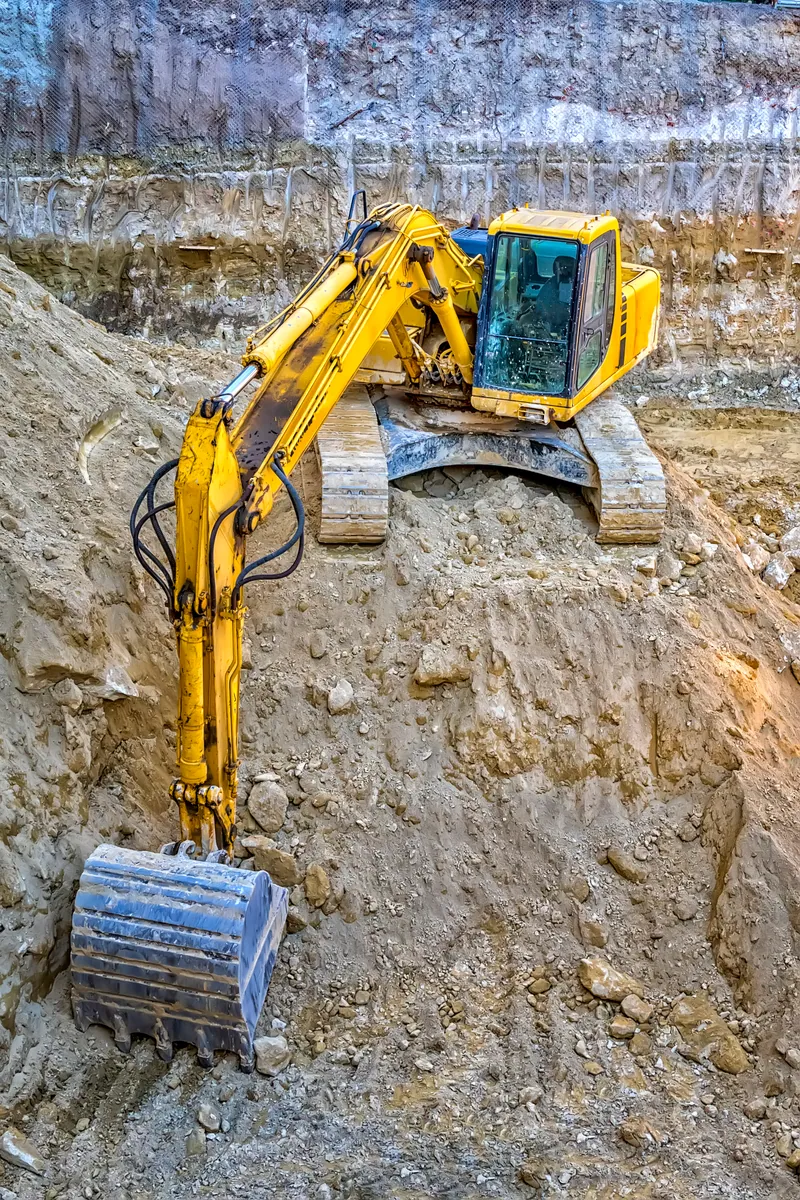
A fuel bill tells you the cost. Machine-level records help you investigate it. Connect fuel issues, readings, hours and work completed to find the entries and patterns that need attention.
On this page
A fleet-level fuel bill tells you what was spent. It does not show which machine used the fuel, what work it did or which entry needs checking. Start with the individual issue from the fuel tanker or storage point, then connect it to the machine and shift.
Record the fuel issue while both parties can check it
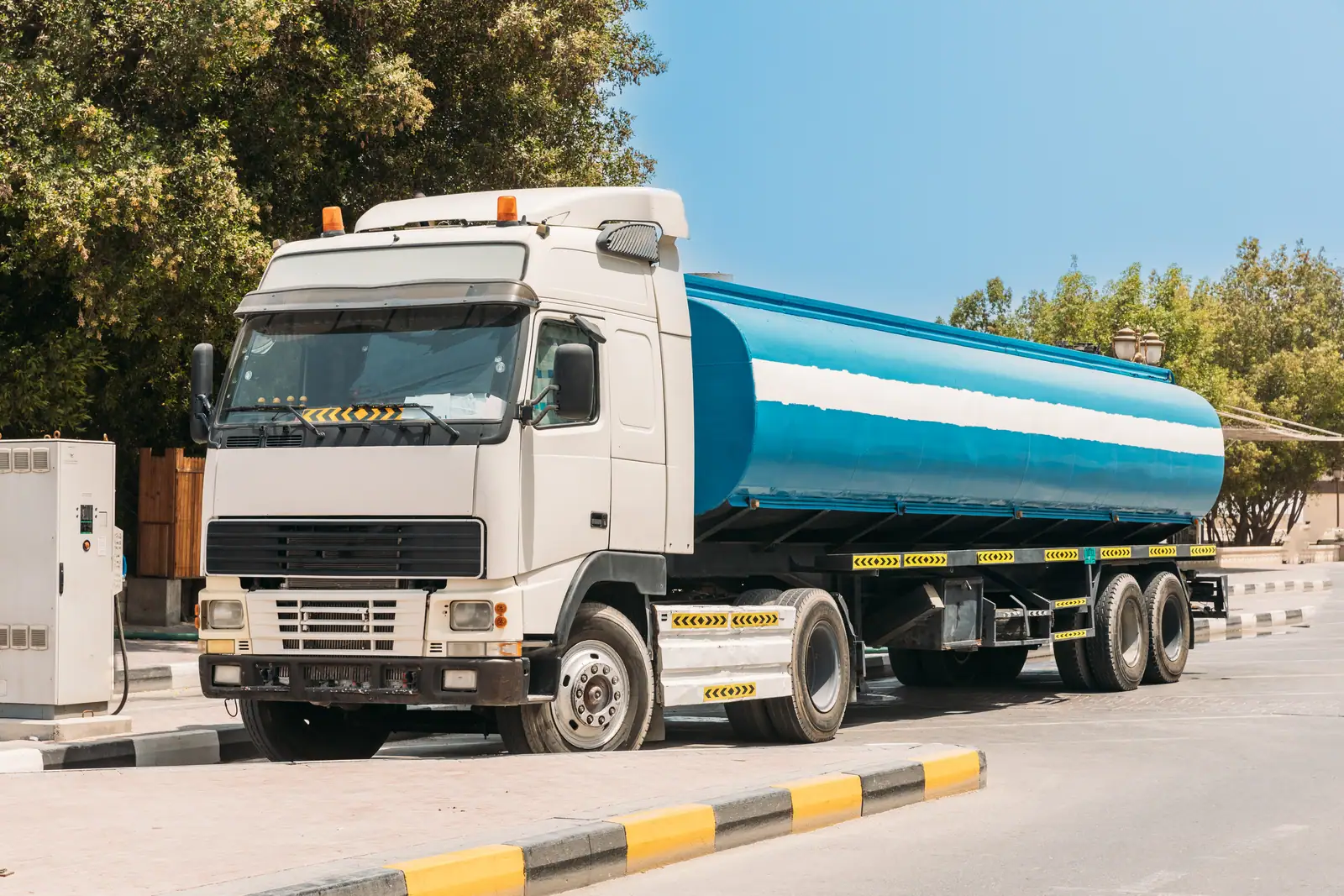
Record the litres issued, source, receiving asset, operator, time and available meter readings. Attach supporting evidence where it helps a reviewer check the entry. If a reading or quantity is disputed, keep the issue connected to that record so it can be followed up.
Issued fuel is not the same as consumed fuel
Fuel put into a tank is not necessarily fuel burned during that shift. Tank levels, transfers and timing affect the comparison. Where reliable consumption readings are available, compare like periods and account for fuel remaining in the tank.
Then review usage alongside machine hours, work completed and operating conditions. A machine working harder or on a different route needs a fair comparison. The useful question is which change in activity or condition explains the difference.
Reconcile the storage point before judging a machine
Choose a period and a clear boundary, such as one site tank from Monday morning to Sunday evening. Record the opening stock, deliveries, issues, transfers and closing stock. Keep the units and reading times consistent. Mixing one tank's deliveries with another tank's issues creates a difference before any machine is involved.
For example, opening stock is 2,000 litres, deliveries are 8,000 litres, issues to machines are 7,200 litres and a transfer to another tank is 300 litres. Expected closing stock is 2,000 + 8,000 − 7,200 − 300 = 2,500 litres. A closing reading of 2,400 litres leaves 100 litres to investigate. (Illustrative model, your number from the audit.)
Check whether a delivery or issue crossed the reporting cut-off, whether the transfer was entered twice and how the stock reading was taken. Link the finding to the original entry. An unexplained stock difference and a machine consuming more fuel per hour are separate problems, so keep the two reviews distinct.
Then compare fuel and work over the same period
For a machine starting with 100 litres, receiving 300 litres and ending with 80 litres, the stock-based estimate is 100 + 300 − 80 = 320 litres, assuming no transfers or other losses. Over 40 engine hours, that gives 8 litres per engine hour. These figures illustrate the method rather than a consumption benchmark. (Illustrative model, your number from the audit.)
A useful comparison also includes the task and output. Forty engine hours on a long haul route are different from forty hours on short movements with frequent waiting. Compare similar machines doing similar work, then look at route conditions, loads, waiting and faults. Where tank readings are estimated, keep that basis visible alongside the result.
Use the difference to choose the next check
- Check the original quantity, readings and machine assignment.
- Compare the same period and account for tank stock or transfers.
- Review work completed, idle time and route or ground conditions.
- Inspect recurring machine-specific changes with the workshop.
- Record the finding and the action taken.
For scale, 5% of a USD 100,000 monthly fuel bill is USD 5,000. Use your own figures to assess the cost worth investigating. (Illustrative model, your number from the audit.)
Apply the record to your operation
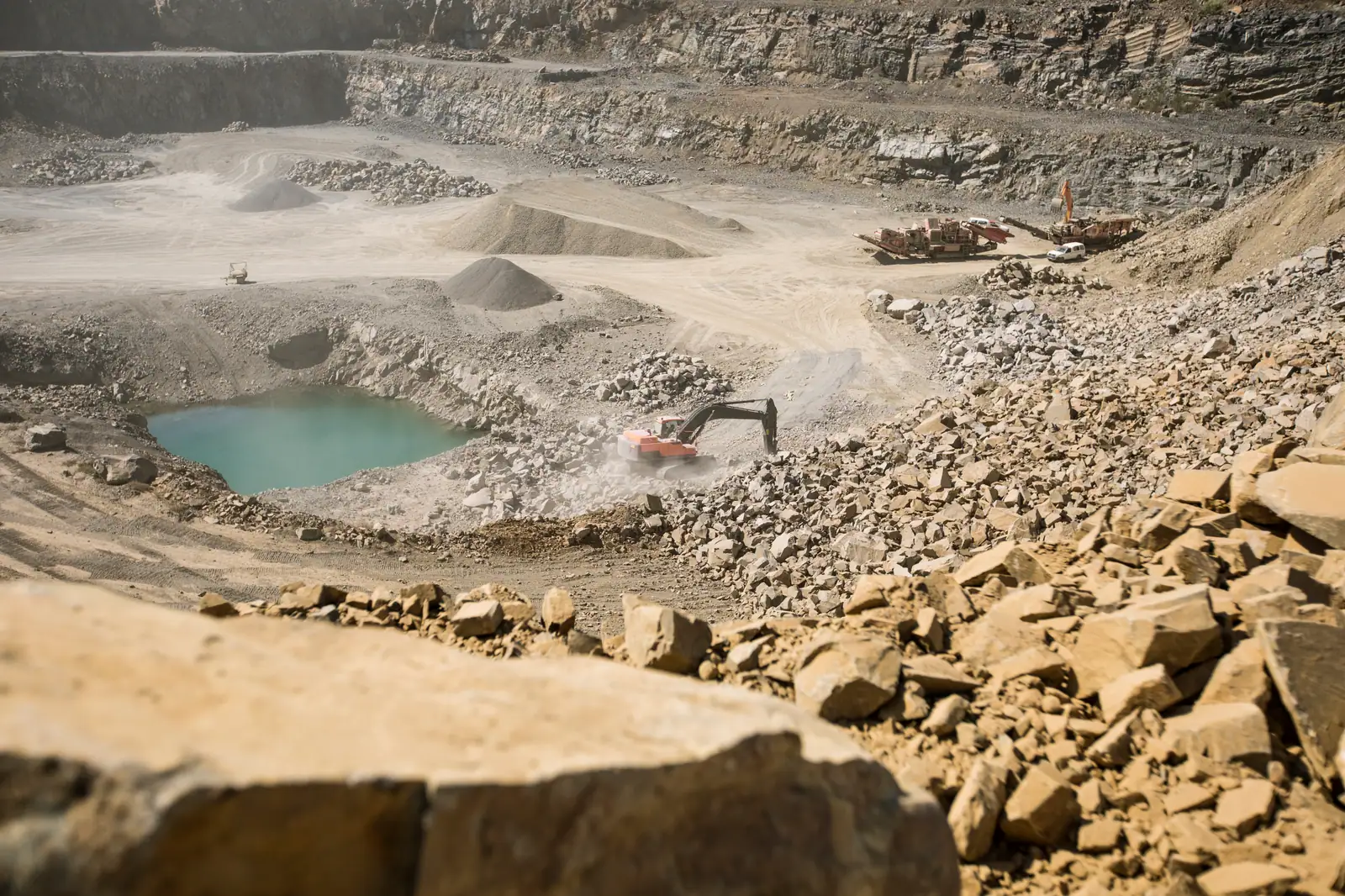
Mining contractors need the issue record when fuel is supplied by the mine. Construction teams need to see which project and machine used stock from a shared tank. Equipment rental businesses need to connect supplied fuel to the hire. Roadworks teams need the same details across separate work areas.
Turn the review into an action
A wrong machine number needs a record correction. A repeated change on one machine needs a workshop check. A queue at the loading point needs the operations team to review the work sequence. Give the issue to the person who can resolve it and check the next comparable period after the change.
When the mine supplies a contractor's diesel, compare the mine's issue references with the contractor's receiving records before agreeing the deduction. When a rental firm supplies fuel, connect the issue to the customer and hire terms. These checks give the commercial team the entries behind the charge instead of only a monthly total.
For remote work areas, agree how the selected field entries are saved and how the supervisor checks sync status. The offline capture guide explains the handover from a device record to the shared view.
How Darikoda helps
Darikoda connects fuel entries to machines, operators and the wider work record. Supervisors can review the entries and supporting details, then investigate the patterns behind the cost. The fuel management page shows the workflow, and the calculator lets you explore your own cost assumptions.
Explore fuel management or use the fuel cost calculator.
Review your fuel recording process
Bring one fuel issue and its follow-up records to the free 30-minute audit. Review where the information gets lost and leave with a one-page map of the priorities for your operation.
Read the operating view for your role