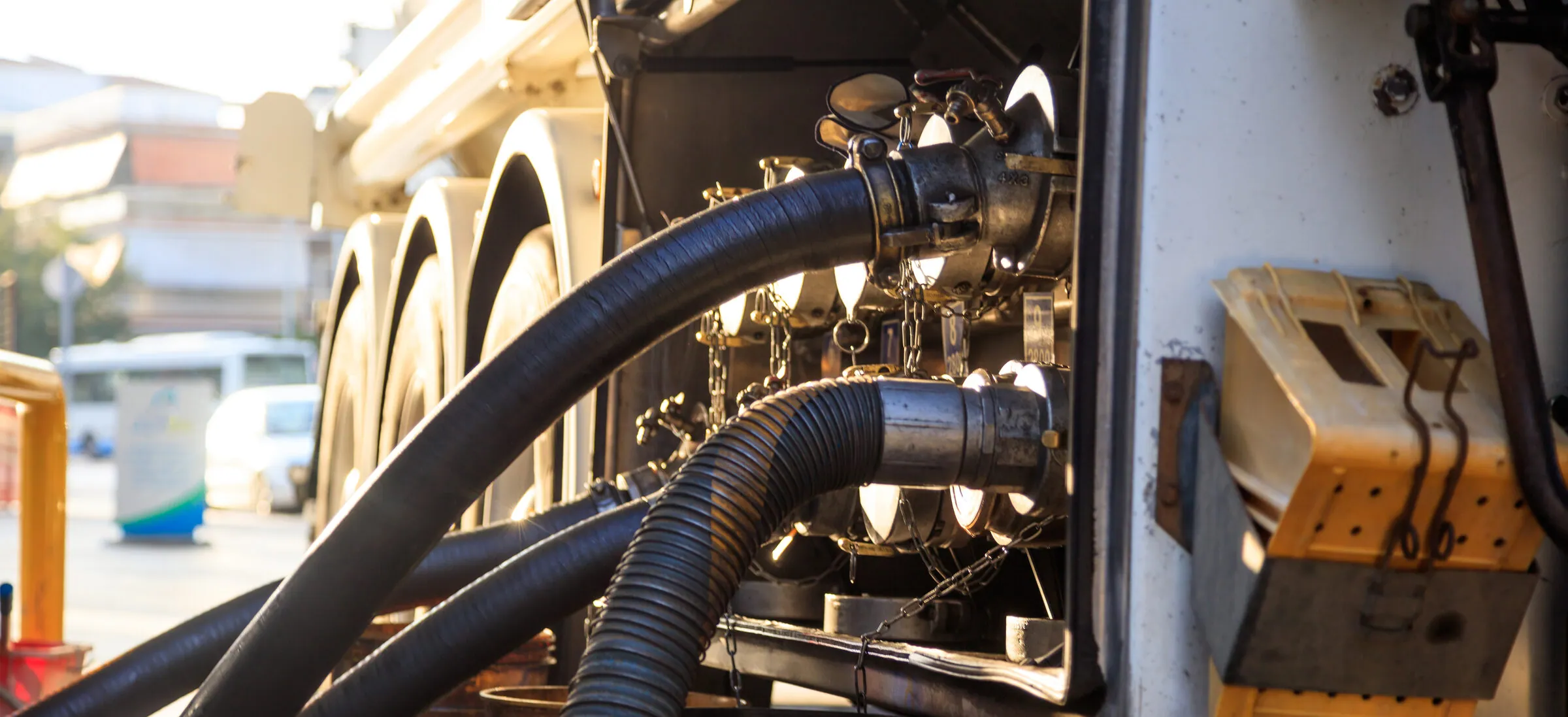

Plant hire and fleet-owner businesses lose margin twice. The visible loss is the month-end deduction, where a weak record lets disputed hours and fuel walk. The bigger, quieter loss is the asset itself: wear from someone else's operator that no one can attribute, surfacing as higher maintenance, lost rental days and a machine retired early. A record of how the machine was run, and by whom, closes both.
Plant hire is a simple business with a hard edge. You own the machine, you supply the fuel, and you bill the hours. You also lose margin in two places, and only one of them is visible.
The visible loss is the month-end deduction. The client's statement lands, your record is verbal or stitched together from three operators, theirs is structured, and the disputed hours and fuel walk. Across Ghana road and civils projects that runs 15 to 20 percent of invoiced revenue on weak-evidence contracts.
The bigger loss is quieter. The machine is run by an operator you do not employ, on a site you do not control. Hard driving, a missed daily check, small neglect: none of it gets logged, and none of it can be tied to a cause. It surfaces months later as higher maintenance, rental days lost to a breakdown that did not have to happen, and a machine retired before its time. You become less profitable, and the numbers never quite explain why.
Where the revenue goes
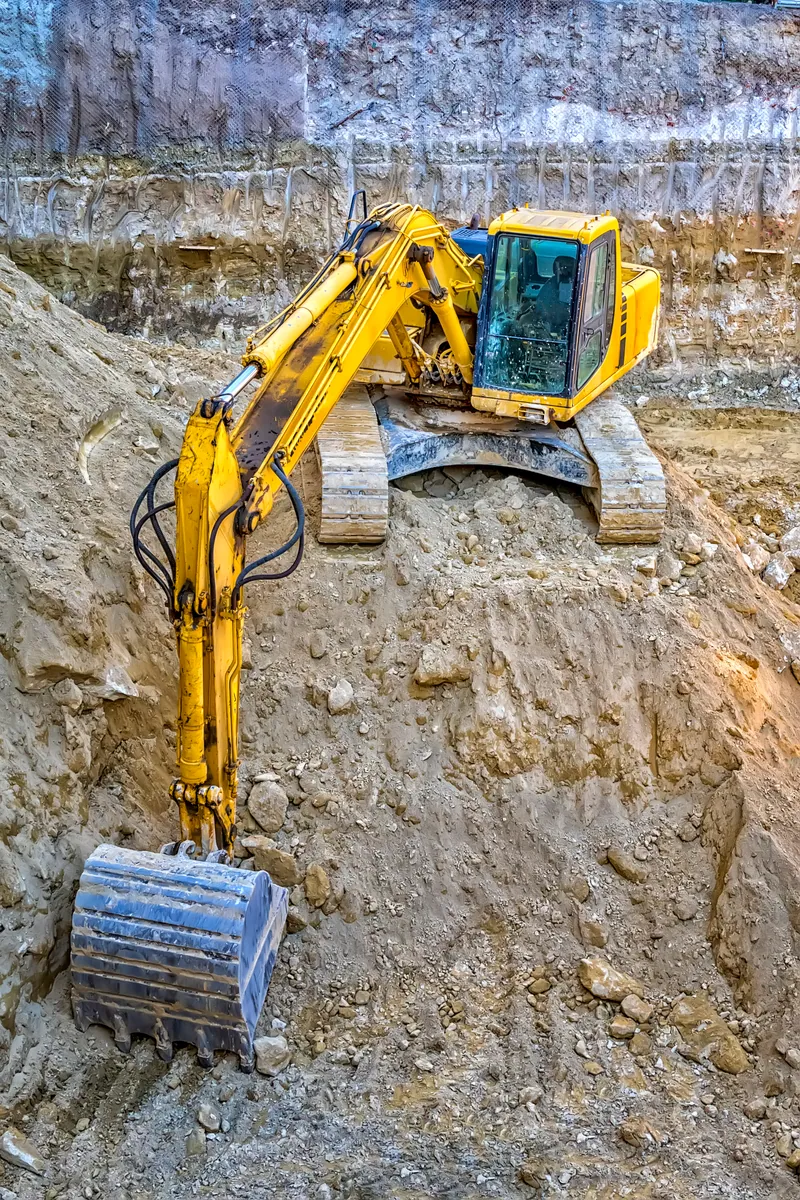
Disputed hours on a machine that ran but cannot be proven to have run. Fuel billed that the operator cannot evidence at the dispense. A standby day the client refuses because there is no log. A rate challenged at renewal with no per-asset cost to defend it. None of these is dramatic. Together they run the gap into double digits of invoiced revenue.
There is a quieter version too. Your operator works on the subcontractor's section and the subcontractor keeps the structured record. The party with the least incentive to record the hours in your favour becomes the one holding the evidence.
Why the rate conversation needs it too

When the client challenges the hire rate, the defence is per-asset operating cost: fuel, parts, maintenance and service against the revenue the machine earned. Without that record the renewal becomes a negotiation about feelings rather than numbers, and the rate drifts down.
The real gap
The deduction is the loss you can see. The wear on the asset is the loss you cannot, and it is the bigger one.
What closes the gap
- Wear and damage tied to a cause and an operator, so excessive wear is recoverable from the sub and the asset runs its full life instead of retiring early.
- Every machine hour and fuel event recorded at the moment it happens, attributed to the operator, asset and contract behind it.
- Each event attributed to the operator on duty, even when it is the subcontractor's operator, so the hour belongs to a person.
- Disputed events evidenced at the moment they happen, so the count is proven rather than asserted.
- Per-asset operating cost against revenue, ready for the rate conversation at renewal.
The Ghana specifics
Internal cross-hire, where a main contractor owns the equipment, supplies the fuel and deducts both from a subcontractor's payment, is a large part of how road and civils projects run. The same per-machine record defends both sides of that wall. And it has to work where the machine works: every event saves locally first and syncs when the signal returns, so a remote section never becomes a gap in the record.
What this is not
This is not an accusation against subcontractors or clients. The deduction game is a structural feature of how plant is hired, not a sign of bad faith. The point is to bring a structured record to a conversation that currently runs on the strongest paper trail. A structured record is simply the stronger trail.
What the audit produces
The free 30-minute Operational Audit maps where your reconciliation breaks. It names the machines and deduction cycles where the revenue is leaking, specific to your fleet and contract structure. You keep the one-page map regardless of next steps.
Read the operating view for your role