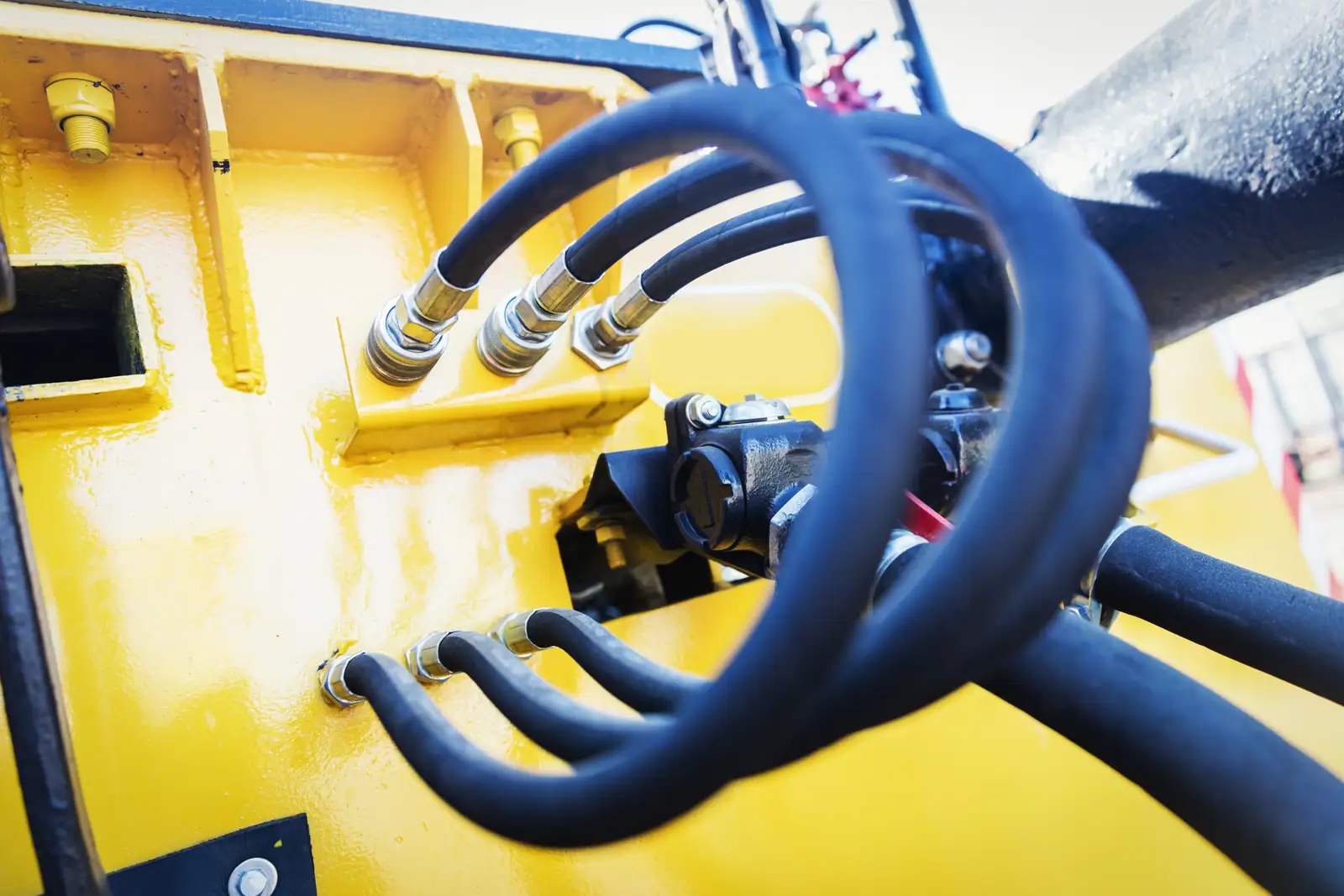
The machine has stopped. What is keeping it out of work?
See which machines are unavailable, review the recorded fault and follow the repair or approval that needs attention.
Captured at source.
Give the stoppage a clear record.
A total of lost hours does not tell the workshop what to fix. Keep the machine, reported problem and supporting photos together so the next person can pick up the issue.
- The affected machine and reported fault.
- Issue status and related repair work.
- The people and approvals involved.
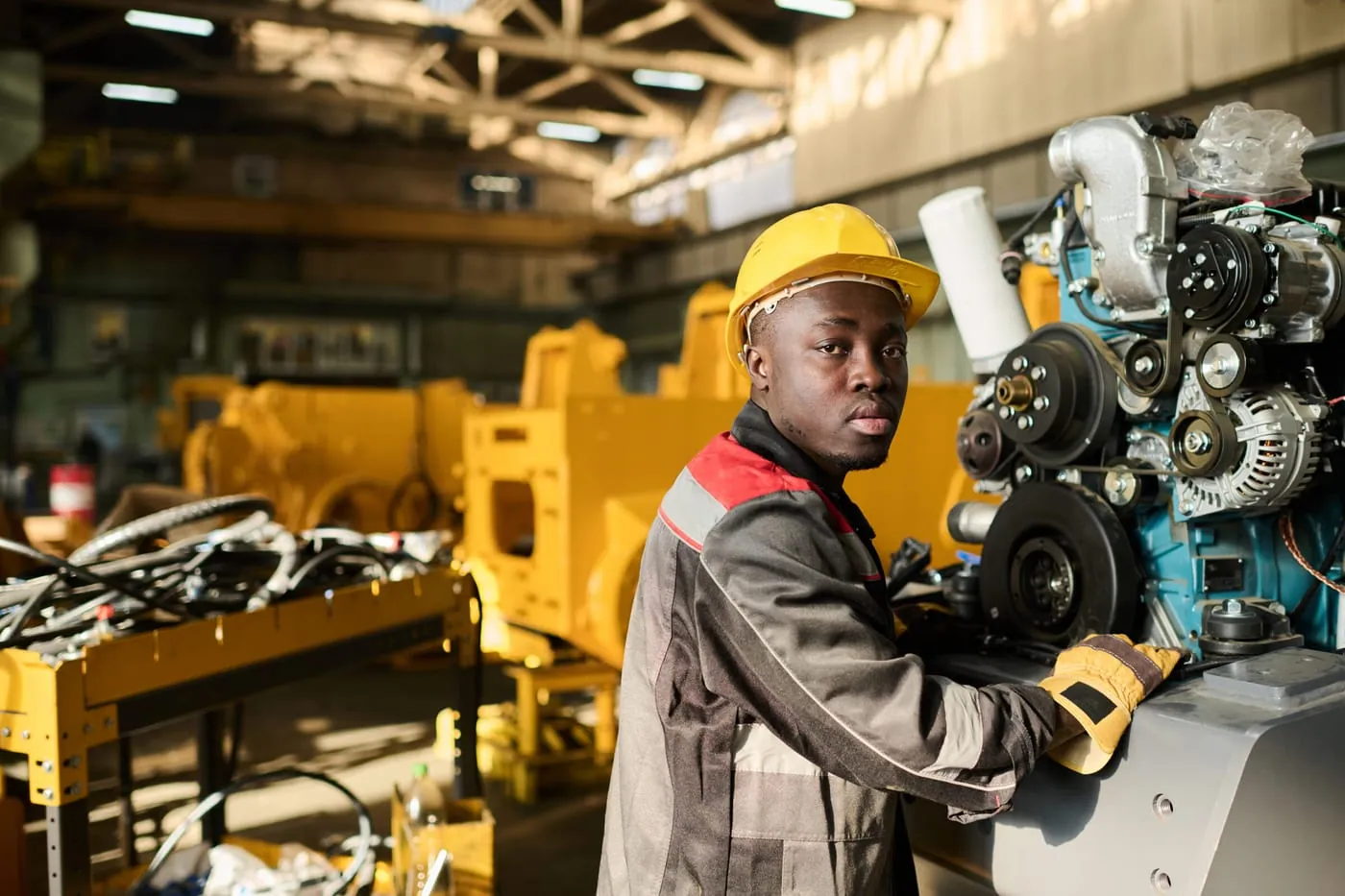
See the machines you can put to work.
Review fleet readiness alongside recorded downtime. Check an unavailable machine before assigning it to a site, and follow the open issue when work is waiting on a repair.
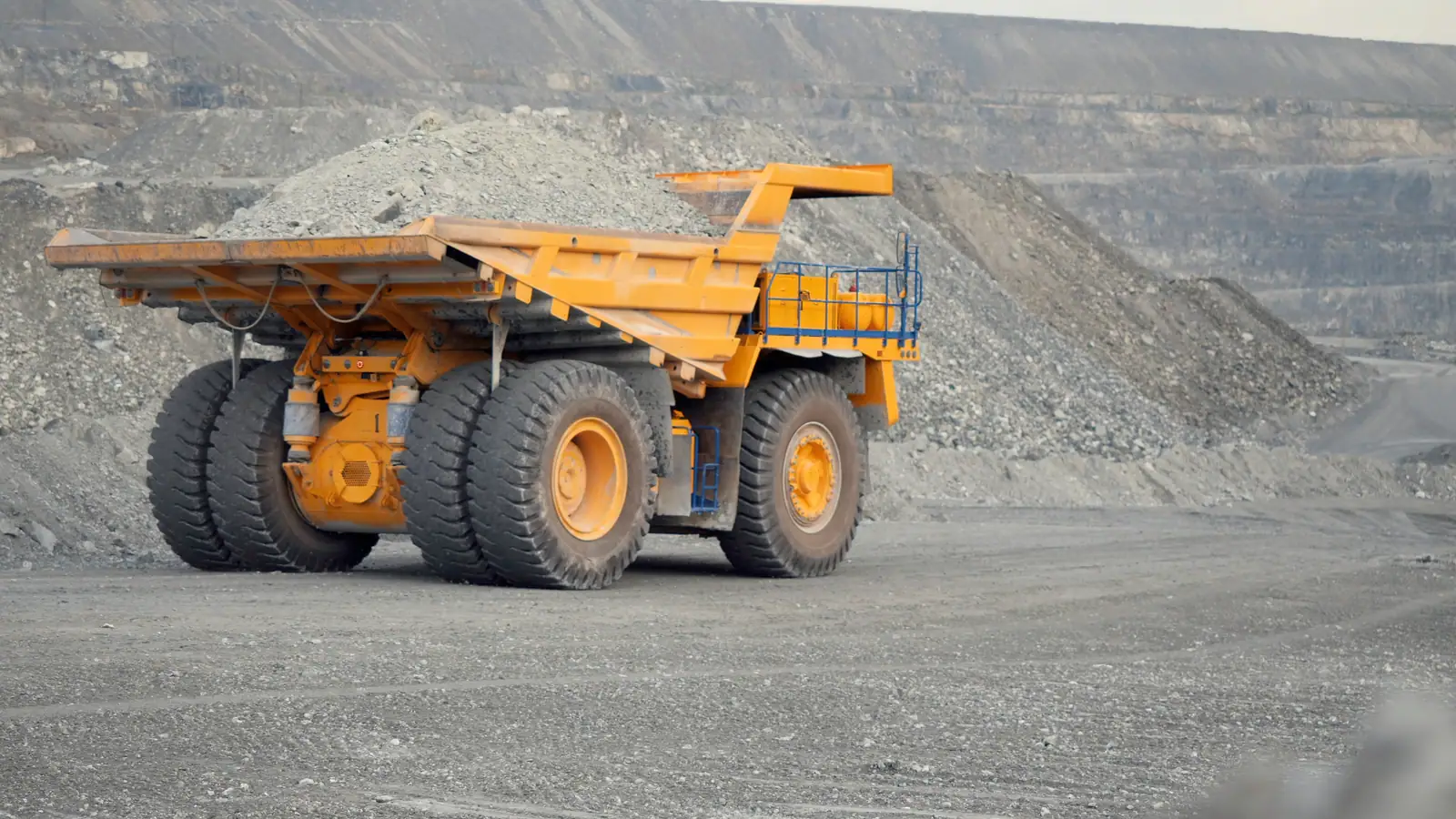
Which stopped machine is costing you the most?
Start with a free 30-minute audit. Leave with a short summary of the gaps and practical steps to address first.
Arrange your free audit →Questions before you start
What is the difference between downtime and idle time?
Downtime means the machine is unavailable for use. Idle time means it is available but not doing productive work. Separating the two helps you decide whether to address a repair or the way work is assigned.
Can we follow a fault through to repair?
Darikoda keeps reported issues, supporting attachments, status and work orders against equipment. Your team can review the open work and the machine history.
Does this help equipment rental companies?
Yes. Equipment that is unavailable cannot go out on its next hire. The fault and repair record helps your team manage the work needed to return it to service.
Can we use our existing trackers?
Bring the details of your tracking setup to the audit. We review which readings are available and how they can support the machine record.
Patterns described here are drawn from extensive field audits and industry research across Ghana's mining, construction, roadworks, and quarry sectors. No specific operator is named or identifiable.