
Find the guide for the problem you are working through.
Practical explanations of fuel costs, machine use, equipment damage and site records in Ghana.
Explore the detail behind the daily work. Captured at source.
Browse by the issue
Practical operating guides
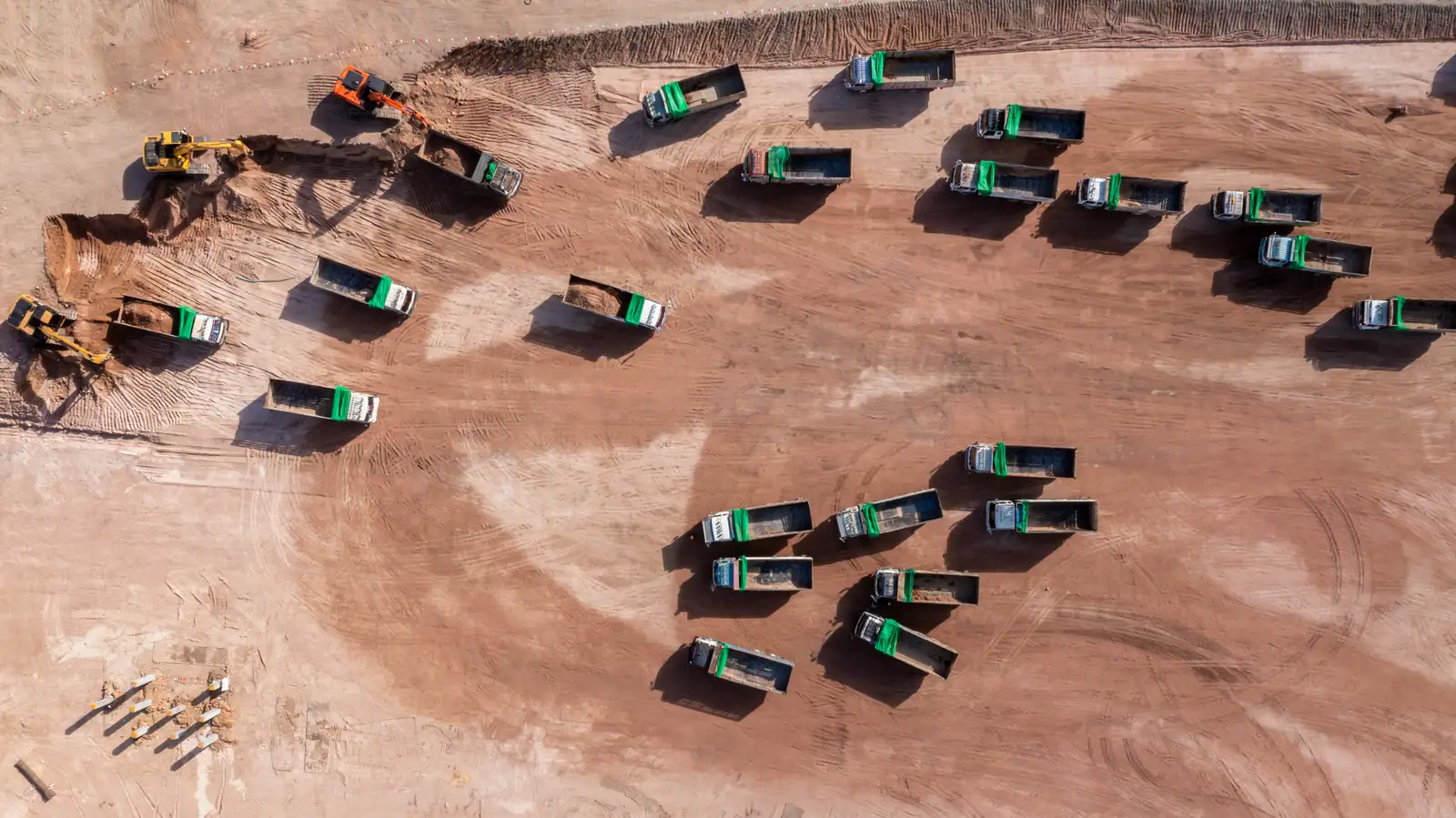 Cross-vertical · Fleet availability25 August 202612 min read
Machine availability: know which equipment is ready to work.
Machine availability measures how much of the fleet can be deployed when the work needs it. Record the reason, the owner and the recovery step per machine.
 Mining · Haulage25 August 202612 min read
Haul cycle reporting: find where trucks lose time.
Haul cycle reporting records loading, haul, queue, dumping and return as one production sequence, so you can see where truck time goes and what it costs.
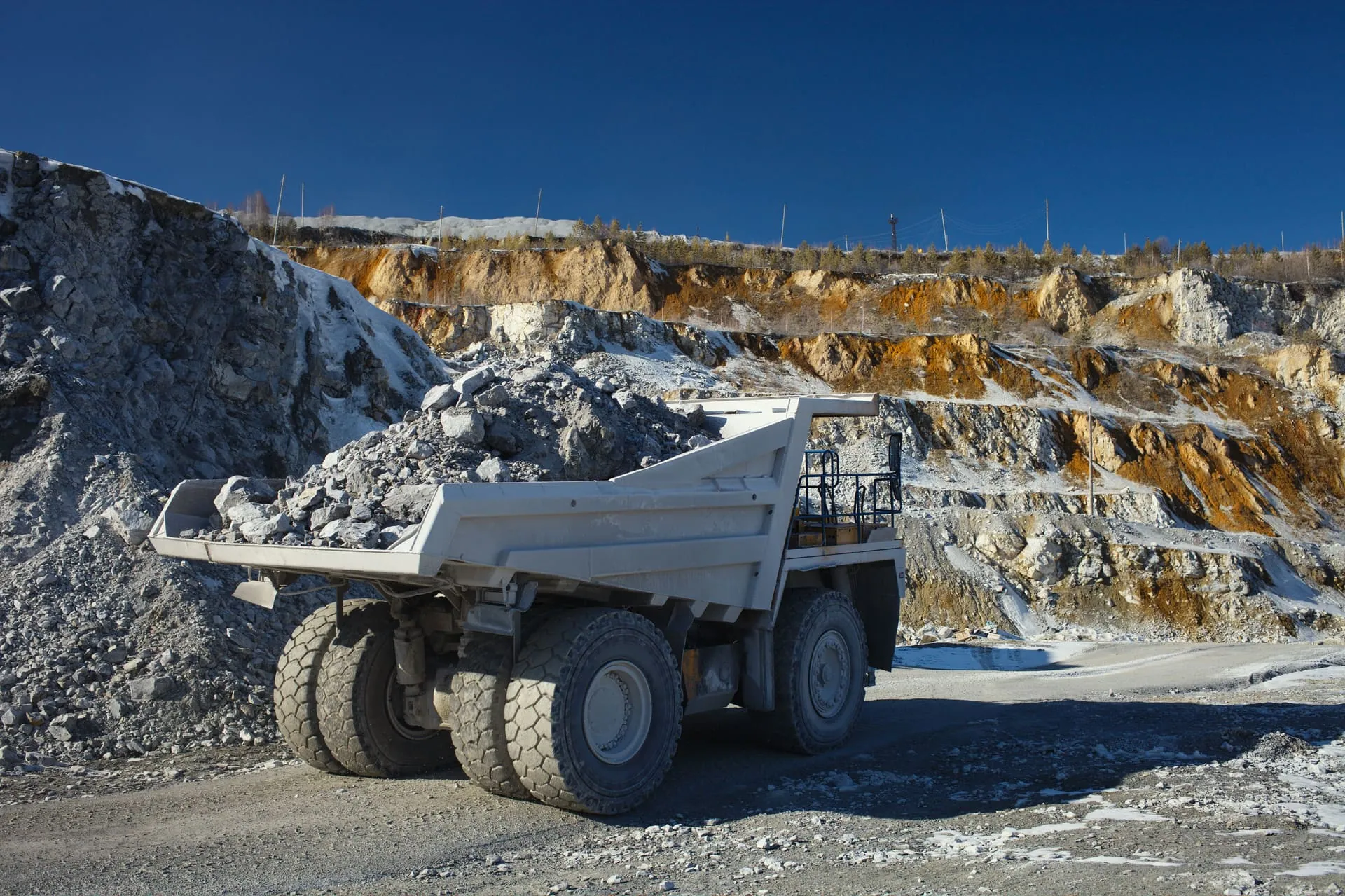 Cross-vertical · Fleet utilisation25 August 202611 min read
Daily equipment utilisation: see how each machine spent its shift.
Plant utilisation measures how much of a machine's available time became productive work. Separate running hours from the waiting, queuing and idle time.
 Cross-vertical · Equipment damage25 August 202611 min read
Equipment damage records: connect the fault, photos and repair.
Equipment damage records tie the event to the machine, the operator and the time. The repair invoice says what was fixed, the record says what happened.
 Construction · Concrete24 July 20267 min read
Concrete quantities: connect the order, delivery and pour record.
Concrete quantity records for Ghana construction projects. Understand fresh-concrete yield and connect delivery tickets, measurements, returns and pour records.
 Cross-vertical · Operational records23 July 20269 min read
Site diaries: keep work, instructions and delays connected.
The site diary decides whether a project can be defended. Why records rebuilt from memory collapse in a payment dispute, and what capture at source changes.
 Cross-vertical · Utilisation23 July 20268 min read
Equipment idle time: find what is keeping machines waiting.
Equipment idle time is what a machine costs while it is available and manned but not producing. GPS shows the hours, the operating record shows the reason.
 Cross-vertical · Regulatory6 July 20263 min read
Ghana E-VAT: keep the work record behind each invoice easy to find.
Support Ghana heavy-fleet invoicing with clear records of equipment hire, supplied fuel and measured work. Connect site entries to the charges finance prepares.
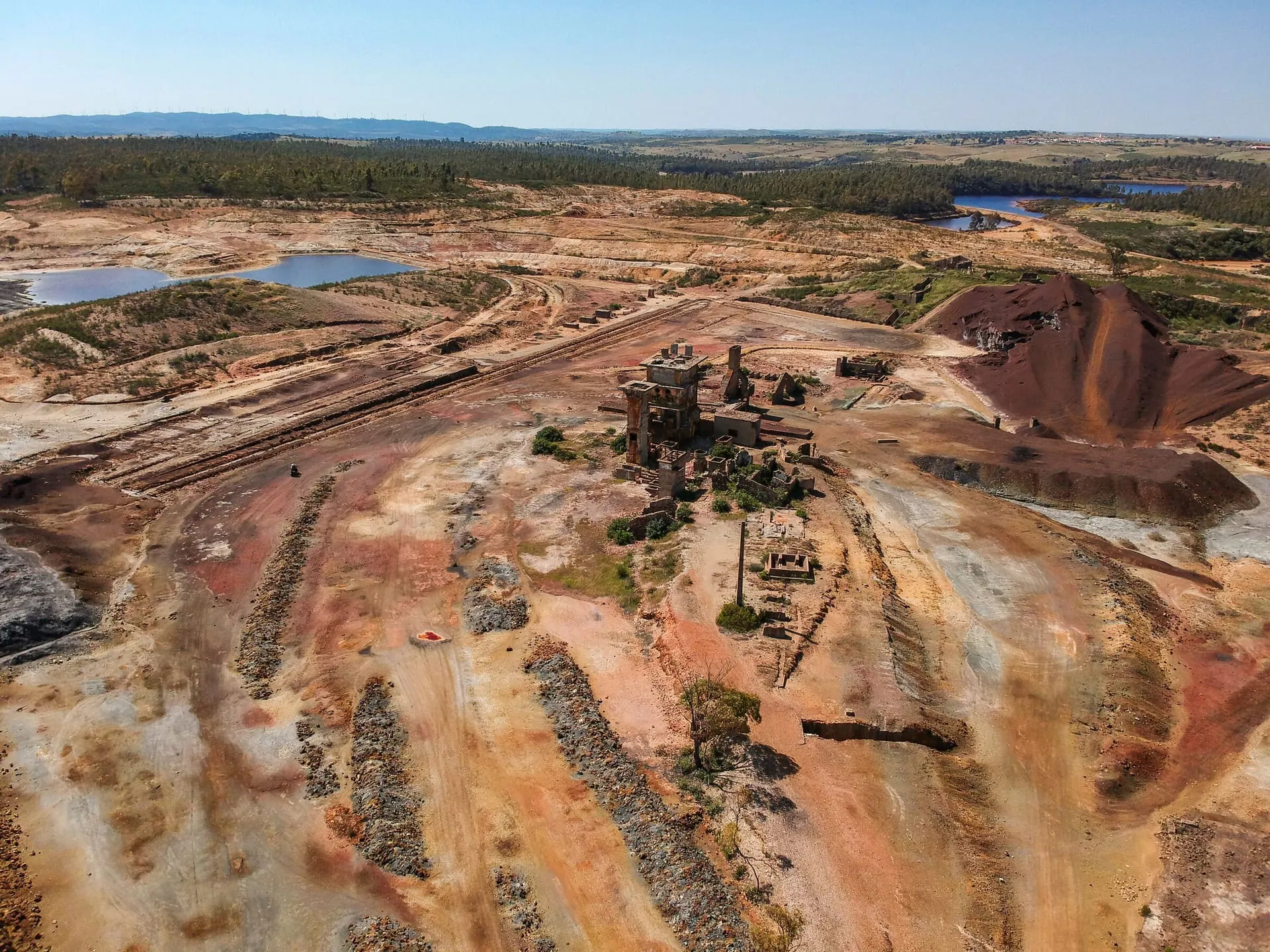 Mining · Regulatory6 July 20263 min read
GoldBod traceability: make production handovers easy to follow.
GoldBod traceability context and practical production records for Ghana mining operations. Connect source references, quantities, shifts and handover documents.
 Mining · Regulatory6 July 20263 min read
L.I. 2431: keep the records behind local-content reporting easy to check.
Practical records behind L.I. 2431 local-content reporting in Ghana mining: supplier documents, procurement categories and site-to-reporting handovers.
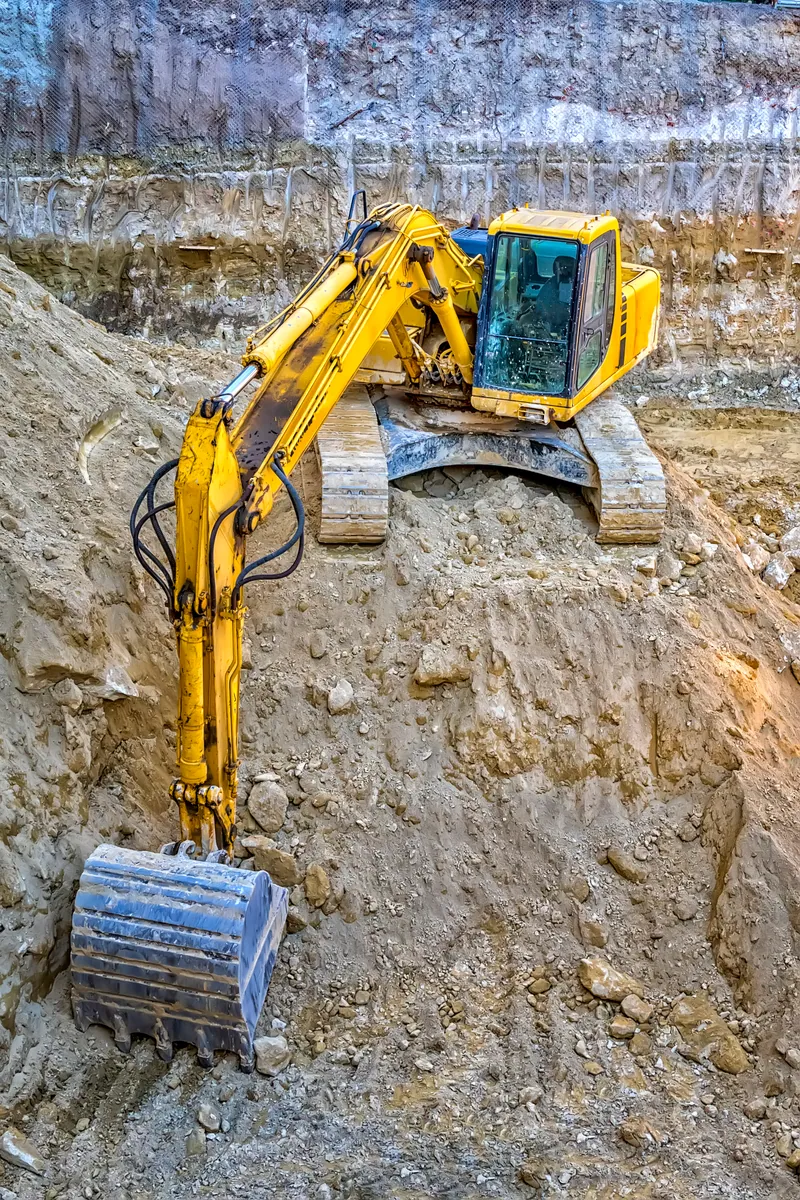 Equipment hire · Asset protection6 June 20264 min read
Equipment rental: protect the machine and the income it earns.
Practical records for equipment rental businesses in Ghana: dispatch and return condition, billed hours, reported damage, repairs and lost hire days.
 Construction · Materials6 June 20264 min read
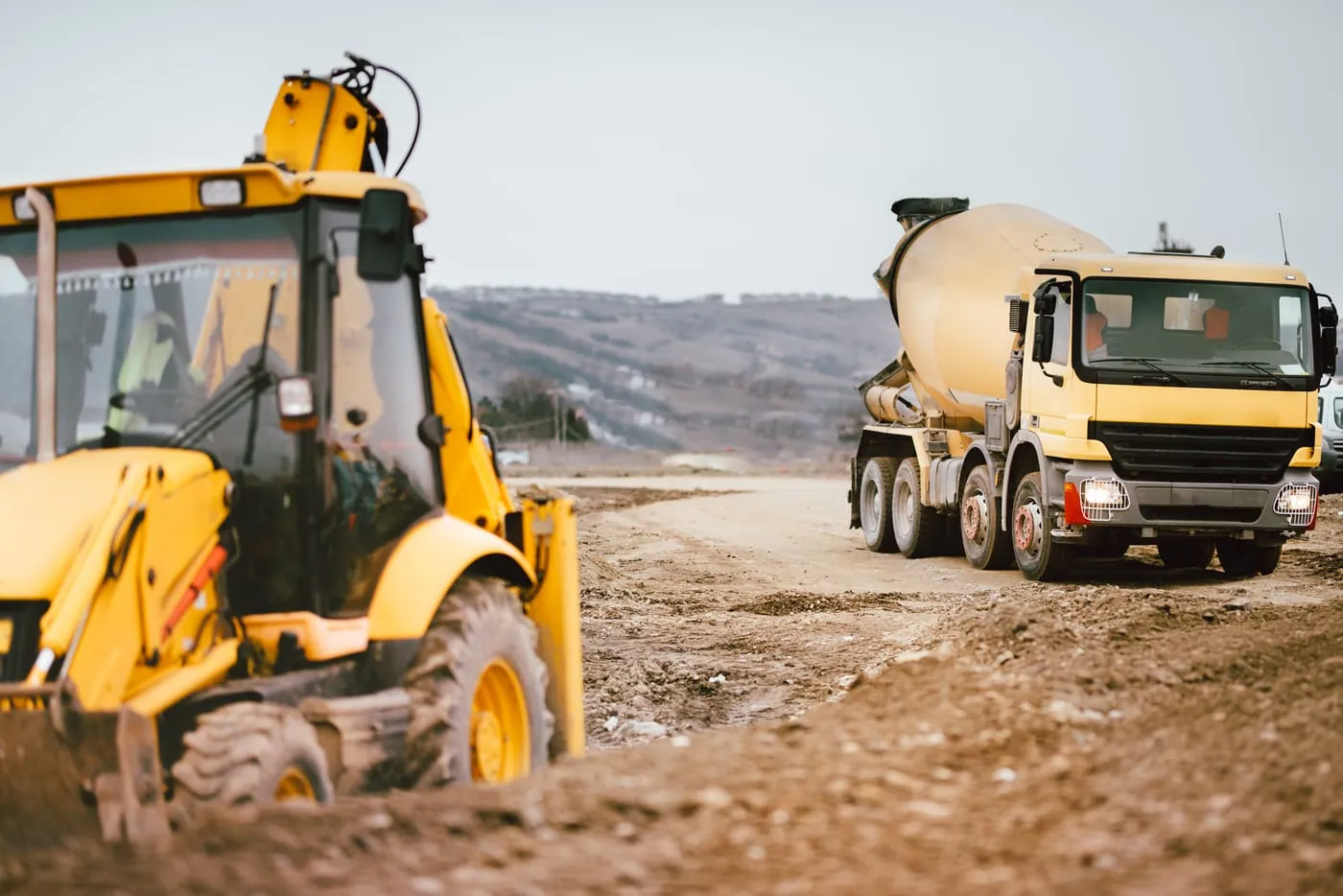
Construction materials: trace the gap between delivery, use and stock.
Track construction materials in Ghana from delivery to site use. Connect receipts, transfers, stock, waste and measured work to investigate quantity differences.
 Fuel · Cross-vertical4 June 20264 min read
Fuel records: connect what was issued to the machine and the work.
Fuel records for heavy fleets in Ghana. Connect litres issued, machine readings, operators and work completed to investigate fuel costs and quantity differences.
- Mining · Regulatory28 May 20264 min read
Ghana gold royalties in 2026: keep operating costs clear.
Ghana gold royalties in 2026 and operating cost records. Keep royalty assumptions distinct from fuel, downtime and cost per tonne in the mine management review.
 Field capture · Cross-vertical28 May 20263 min read
When billed hours or quantities are questioned, make the record easy to check.
Records for queried machine hours, fuel and construction quantities in Ghana. Connect site measurements, readings, photos and instructions to payment claims.
 Civils · Big Push · FIDIC28 May 20264 min read
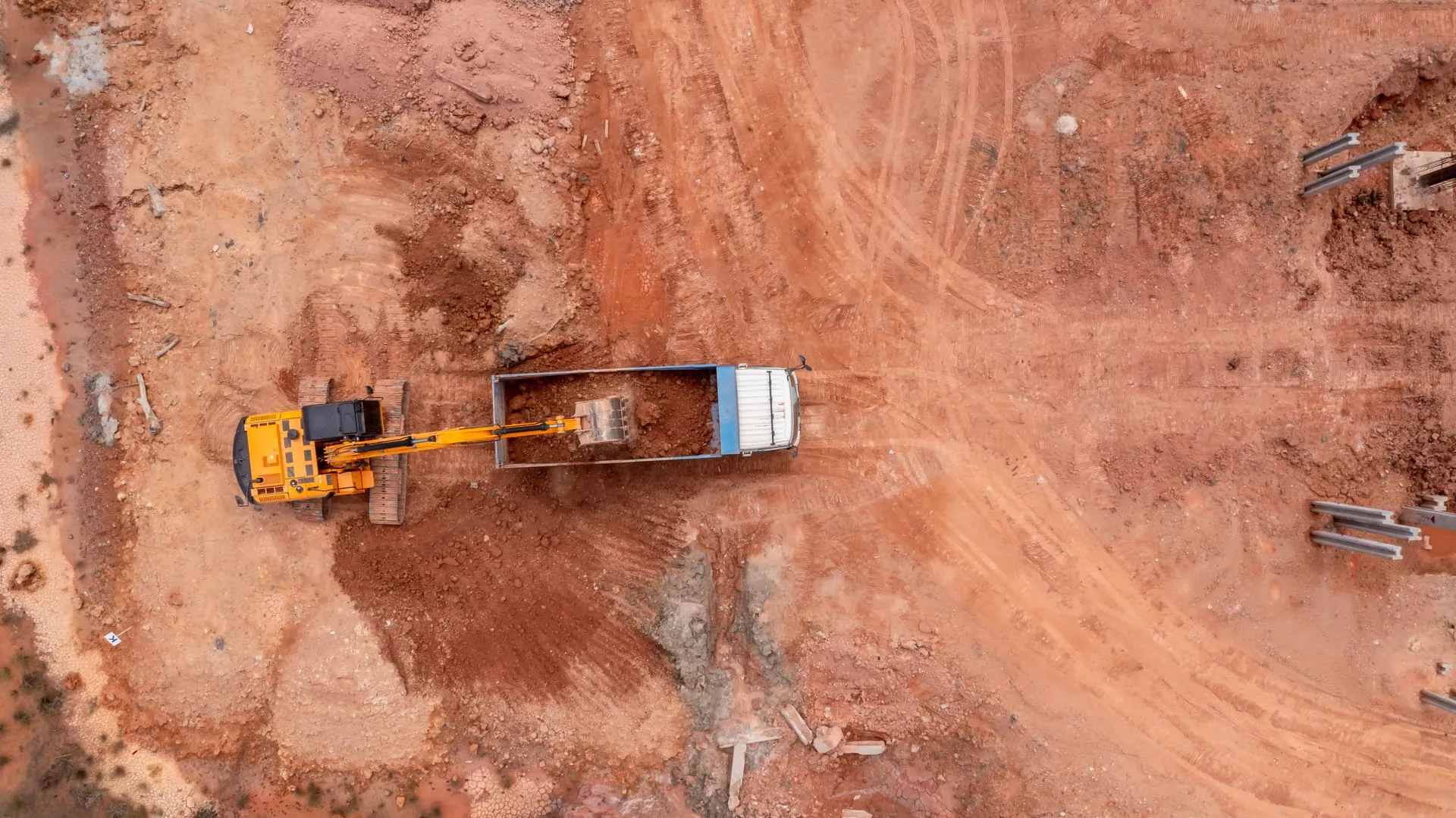
Ghana's Big Push: keep roadwork quantities and payment records connected.
Practical site records for Ghana Big Push road contractors: chainage measurements, payment claim evidence, delays and equipment allocation across projects.
Want to apply this to your operation?
Start with a free 30-minute audit and practical priorities for your team.
Operating Notes draw on extensive field audits and industry research across Ghana's mining, construction, roadworks, and quarry sectors. No specific operator is named or identifiable. External sources are cited inline where regulatory or commercial reference is made.