
Road contractors need a clear record from each work section to the payment claim. Connect measured quantities, instructions, delays and shared equipment before the month-end review.
On this page
Ghana's 2026 Budget allocates GH¢30.0 billion to the Big Push Infrastructure Programme for strategic roads and bridges. For a contractor delivering several work sections, the practical challenge is keeping quantities, equipment and instructions connected as work progresses.
Make each section easy to review
Record the work item, quantity, date and chainage, the distance marker that locates work along the road. Attach the relevant measurements, photos and instructions. A reviewer should be able to trace a reported quantity to the section where it was completed.

Prepare the payment record throughout the month
An interim payment certificate, or IPC, records the amount certified for payment during the project. Keep the underlying work records ready for the commercial team to check against the contract, rather than assembling them from separate phones and notebooks at month-end.
Track queries and corrections alongside the original quantity. The office then knows which items have supporting records, which are still under review and who needs to resolve the gap.
Connect joint measurement to the payment application
FIDIC's explanation of the 1999 Red Book describes measurement and Bill of Quantities rates as the usual basis for interim and final payments. Check the edition and Particular Conditions used on your project when setting up the record. The section reference, quantity and review history should follow the basis the commercial team is actually applying.
Before a joint measurement, bring the relevant work items, chainage limits, measurement sheets and instructions together. Keep any correction attached to the item it changes. The next reviewer should be able to tell whether a difference concerns the physical measurement, the scope included, the rate or a previous-period quantity.
For an illustrative cumulative item, a current measurement of 240 cubic metres and a previous measurement of 216 cubic metres leaves 24 cubic metres for this period. At USD 100 per cubic metre, that line is USD 2,400 before any other applicable adjustments. Recording both cumulative readings prevents last period's work being included again. (Illustrative model, your number from the audit.)
Track the application, certification and payment separately. A complete supporting pack helps the review proceed, while an unresolved quantity still needs a decision. Keep a list of open items, the person following each one and the response needed before the next cycle.
Record delays while the detail is available
When rain, an instruction or a site condition stops work, record when it began, the affected section, the people and machines involved, and when work resumed. Connect photos and instructions to the same event. The project team can use that record when reviewing progress and any time-related claim under the contract.
Build a usable delay record
A note that says rain stopped work leaves the planner with several questions. Record the start and finish, the activity and section affected, which resources waited, the instruction received and what the team did next. Attach the relevant photos and programme reference so the event can be reviewed in context.
For an extension-of-time review, connect those daily events to the affected activities and the contract correspondence. The project team needs both the event record and an explanation of its effect on the programme. Keep notices and their dates with that review rather than assuming that a diary entry alone completes the claim process.
The same organisation helps a later project or audit review. A person who was not on site should be able to follow the date, section, instruction, resource and quantity without having to find the original supervisor. Review gaps during the work while supporting details are still available.
Keep shared equipment visible
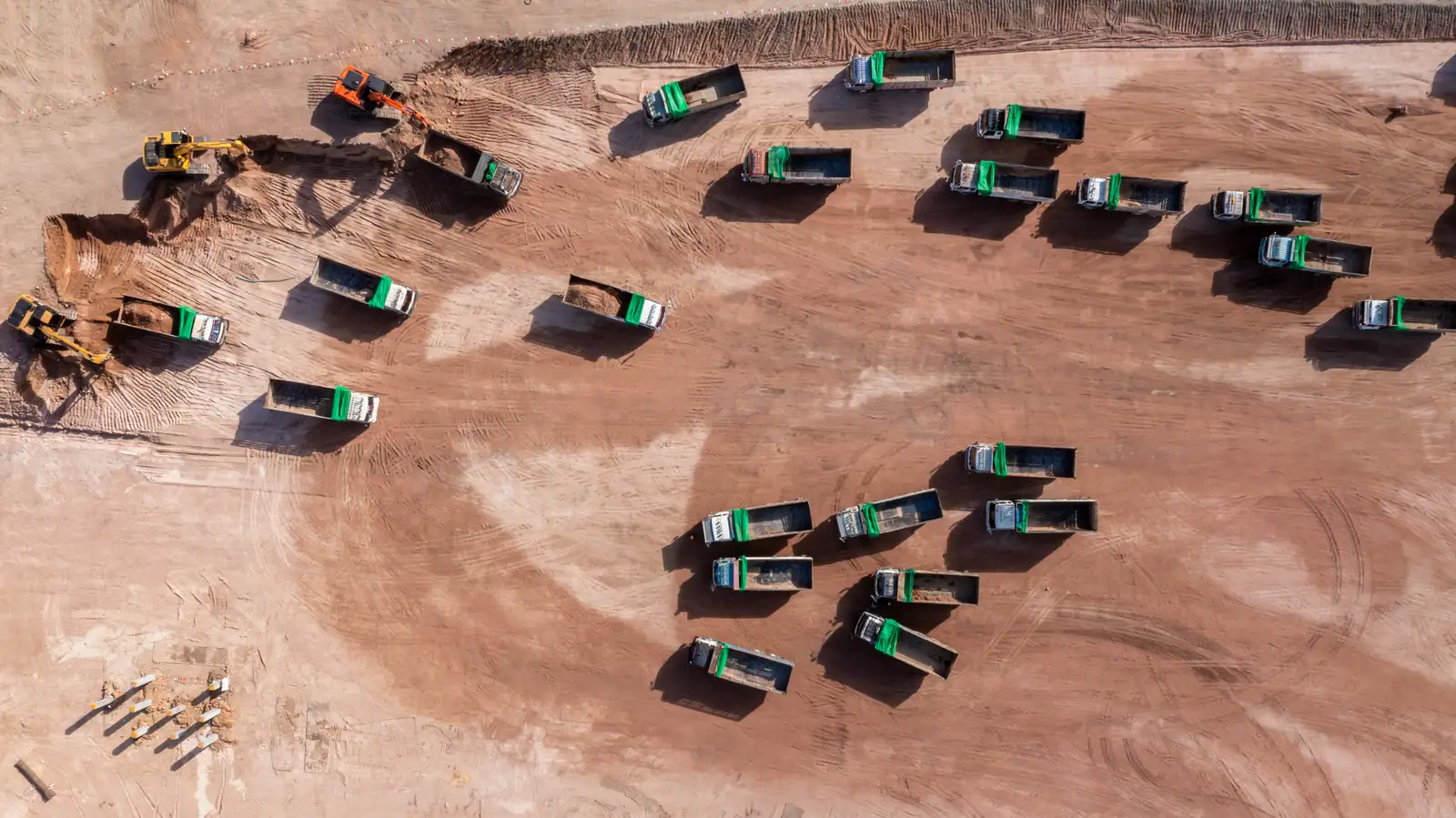
A machine held on one contract may be needed on another. Review its condition, planned work and maintenance before transferring it. Keep the project allocation connected to the hours, fuel and repair costs so the receiving site inherits a clear record.
Start with one work section
- Choose a section and the work items to record.
- Agree who captures the measurement and who reviews it.
- Connect quantities, instructions, photos and delays.
- Review missing details before the next payment application.
Review the route from site work to payment claim
Use the free 30-minute audit to walk through one section and the records behind its payment claim. Leave with a one-page map of the practical priorities for your project.
Read the operating view for your role