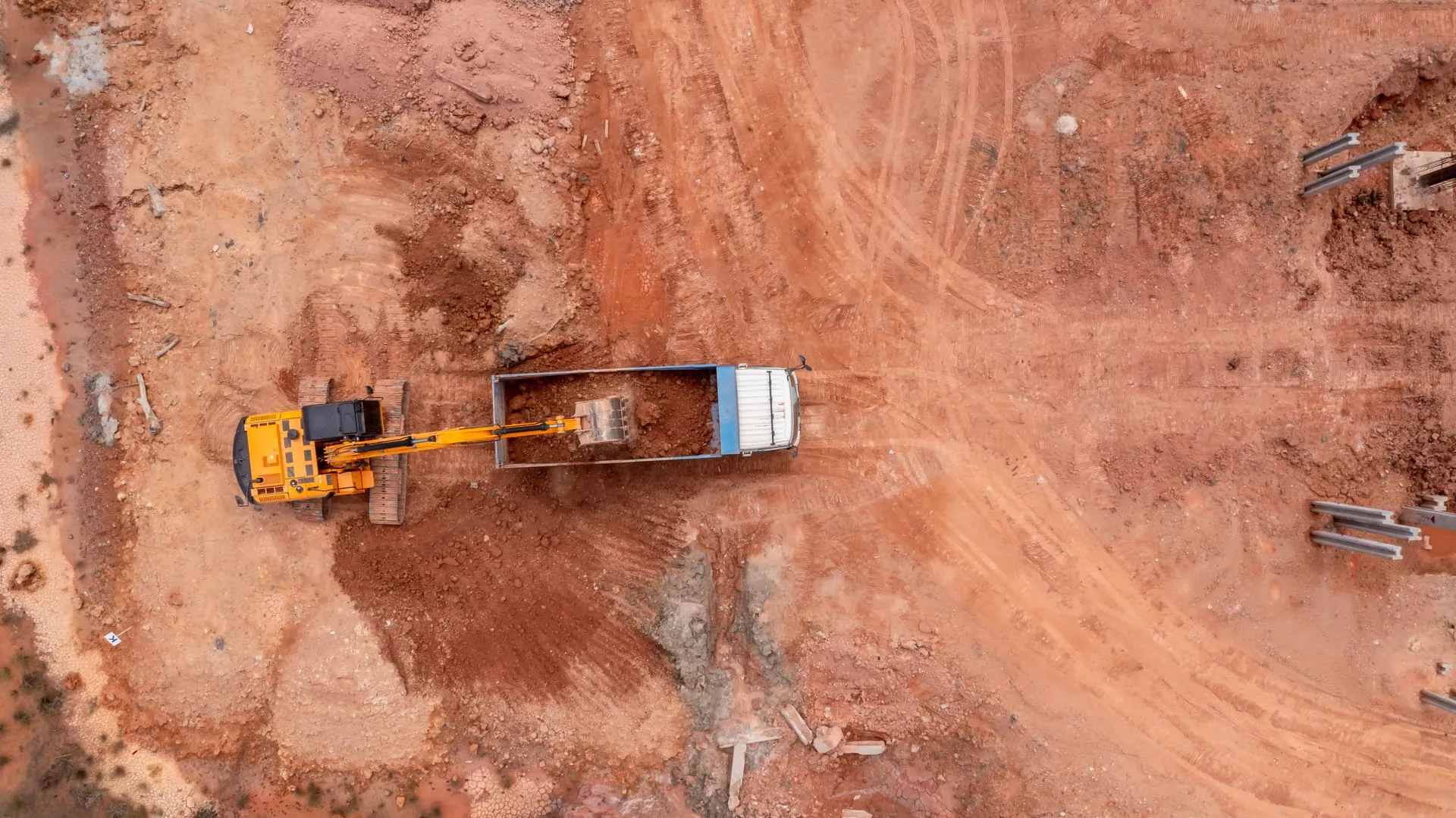
Defend the cert.
You build under FIDIC red book for GHA. Cert preparation is cash flow. Cert defendability is margin.
Darikoda gives you the chainage-level, joint-measurement-ready evidence to defend every IPC. Captured at source.
You build under FIDIC red book for GHA. Cert preparation is cash flow. Cert defendability is margin. Darikoda gives you the chainage-level, joint-measurement-ready evidence to defend every IPC.
Where the cert cycle compresses
Six places the cert cycle, the IPC and the public scrutiny add up to your margin.
GHA monthly progress reporting and the joint-measurement cycle.
The cycle is the cash cycle. Every monthly cert that takes a week longer to prepare is a week longer to payment. Two people for a week versus ten people for a month is the discipline gap, and it shows up directly in your working capital.
IPC under FIDIC red book.
The interim payment certificate is your commercial output. The contractor with weaker evidence loses when the consultant cuts. Structured field evidence at chainage level is the layer that survives the cut.
Variation orders and extensions of time.
Documentation discipline at the moment of the variation, not reconstructed three months later when the dispute lands. The EOT submission that defends a wet-weather day is built from the field record of that day, not from memory.
Cash flow exposure to the government client.
Ghana News Agency has reported road-sector arrears in the tens of billions of cedis, certificates unpaid since 2018, and most contractors inactive while still holding their sites. The contractors who survive the wait are the ones with the strongest operating evidence to protect their forecasted cash position and accelerate undisputed certs.
Public scrutiny, audit risk, parliamentary review.
The Auditor-General report, the parliamentary committee, the procurement-process review. None of these arrive on a quiet Friday afternoon. The Ghana Institution of Engineering called for an independent technical audit of the Big Push pipeline in April 2026. Your operational record is the artefact that survives.
Subcontractor management at scale.
A typical Big Push project carries five-plus specialist subcontractors against measurement. Your evidence layer defends both the IPC submission upward and the deductions downward.


Chainage-level evidence under joint measurement.
Under FIDIC joint measurement, the cert is decided at the chainage. Whoever holds the structured evidence holds the quantity.
What changes between paper and structured evidence
Three scenarios where the cert cycle becomes defensible at chainage level.

Ten people for a month. QS team buried in chainage reconstruction, plant-hour spreadsheets and weather-day documentation. The cert lands late. The consultant cuts on weak-evidence sections. The cash cycle pays the price.
Chainage-level structured field evidence already in place. Two people produce the IPC pack in a week. Plant hours, materials, weather days, subcontractor measurement all export from the same record.
14 to 21 days
is the cash-cycle compression possible per IPC submission when the cert pack exports from a record that already exists.
Section 4 between km 14 and km 18 is bleeding margin. Without per-chainage cost visibility, the bleed shows up in post-mortem when the section is closed out. Recovery window has closed.
Cost per chainage, per linear metre, per cubic metre of base course or asphalt. Per section, per crew, per shift. The bleeding chainage surfaces the day it diverges.
Per-chainage cost
live, not lagged. The number that informs the foreman's decision tomorrow.
Wet weather closed Section 2 for nine days last quarter. Three months later you build the EOT submission from memory, weather-station screenshots and crew notes. The consultant pushes back. You absorb the EOT cost.
Wet-weather days documented at the moment, with structured impact on programme by section. The EOT pack is an export of the live operational record, not a reconstruction.
Live EOT evidence
documented at the moment of impact, defended at the moment of submission.
Different scenarios. Same underlying gap. Same closing move.
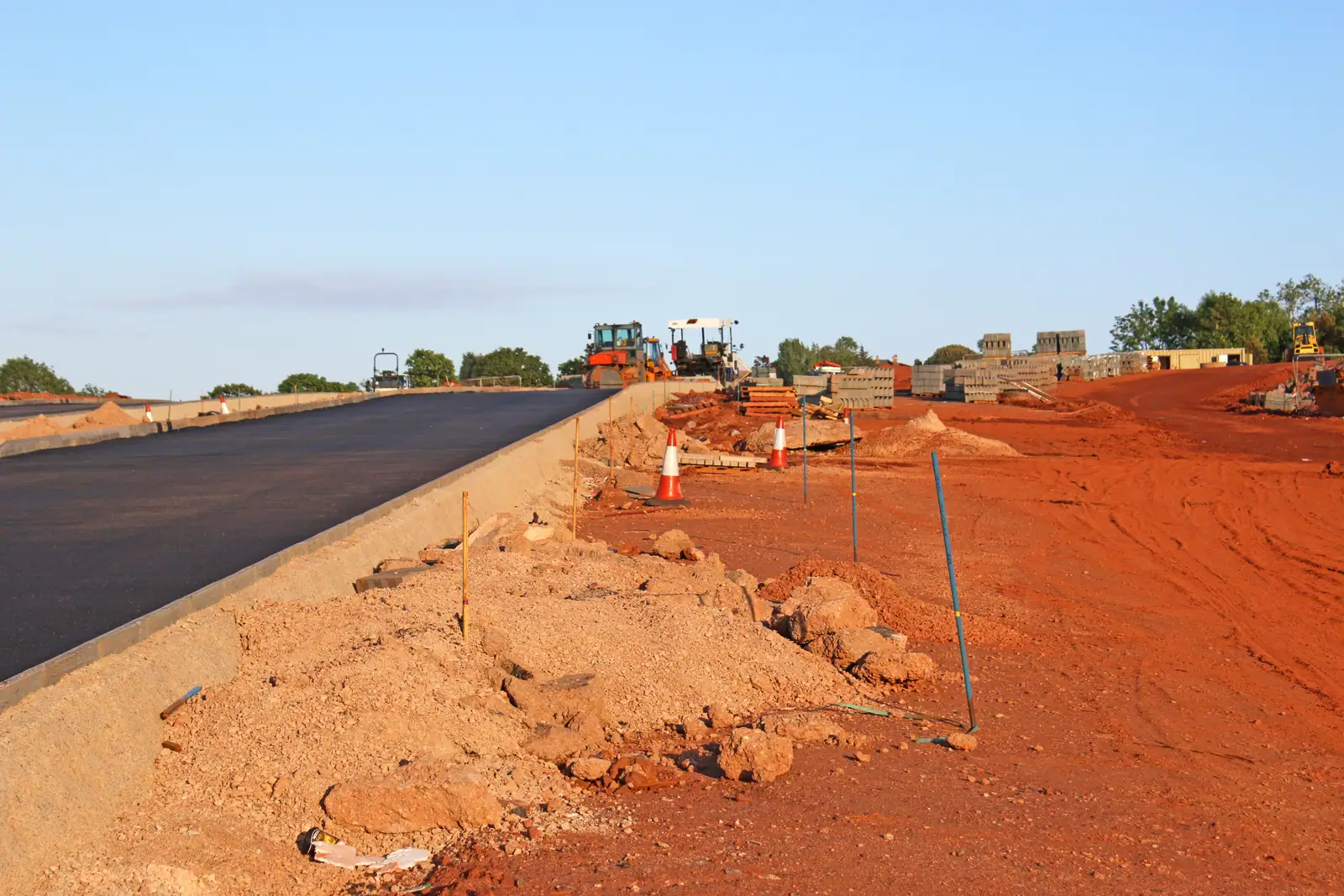
Built by the kilometre. Evidenced by the metre.
Per-kilometre cost and per-metre evidence, ready when the consultant measures.
Built so the IPC pack survives the consultant's cut.
Your chainage record faces the consultant, the EOT pushback and the Auditor-General. It is built to face all three.
- Every chainage-level entry is saved on the spot and syncs when signal returns. Remote road sections do not wait for connectivity.
- You can always see whether a field entry has reached the office yet. No silent gaps between section reality and IPC submission.
- Every action is attributed to a PIN-level worker, crew, section, and time. The audit trail is the record that survives the parliamentary committee.
- Plant availability (asphalt plants, batching plants, crushers, pavers) tracked alongside mobile fleet. Each plant out for service is a section that does not get paved this week, and the visibility lever is on you.
- Failed syncs at remote chainages become visible issues, not silent gaps in the cert pack.
- Existing accounting or ERP gets fed the per-chainage, per-section, per-crew truth it cannot produce on its own.
Inside a typical month
What a Darikoda cert cycle looks like on a Big Push contract.
From per-chainage field capture in week one to an audit-ready operational record at project closeout.

Week 1
Per-chainage field capture goes live.
Quantities placed, materials consumed, plant hours, crew shifts. All PIN-attributed, time-stamped, GPS-confirmed against the chainage. The IPC submission starts building from day one.
Week 2
Per-chainage cost surfaces on the FD dashboard.
The bleeding chainage is named. The bleeding crew is named. The bleeding plant is named. Workshop bottlenecks become visible before they cost a paving day.
Week 3
Joint measurement walk-through with consultant pre-checked.
Structured evidence on chainages already aligned with the consultant before the formal walk. Disputes happen with evidence rather than argument.
Cert submission week
IPC pack exported in days, not weeks.
Chainage-by-chainage quantities, plant hours, materials, weather days, subcontractor measurement. Two people produce the submission instead of ten.
End of project
Operational record survives the audit.
Auditor-General, parliamentary committee, procurement-process review. The record is immutable, time-stamped, attributed. The cert defendability that protected the contract during delivery is the same record that defends it after closeout.
Field note from Darikoda
“Cert preparation is the cash cycle. Cert defendability is the margin. Both are decided at the chainage.”
Government road contractors we have spoken to in Ghana operate under a structural pressure that few other industries face. The consultant cut, the EOT pushback, the public scrutiny, the GHIE audit call, the 30.8 billion-cedi Big Push allocation. Cert preparation is the cash cycle. Cert defendability is the margin. Both are decided at the chainage, at the moment of work, not in the QS office three weeks later. The operating record is the layer that closes that time gap. Chainage-level structured evidence, plant availability live, EOT submissions built from the live record. Two people for a week, not ten people for a month. When the audit call comes, the chainage record is already written.
Darikoda Systems Ltd
Founder-led, engineer-built. UCL MSc Mechanical Engineering. GE precision turbines. Four years inside Caterpillar and Unatrac heavy fleet operations across Ghana and Nigeria.
Government road contractor FAQ.
The questions other Ghana road contractors ask in the first call.
We are on three Big Push contracts under GHA. How does the platform handle scale?
Each contract is a project envelope inside the operating record. Chainage-level evidence, monthly progress reports, IPC submission packs and EOT documentation all sit per project. The fleet, the workshop and the subcontractor records cross-cut so plant utilisation and shared-resource decisions are visible across all three.
What about the 2026 budget and the GHC 30.8 billion Big Push allocation?
The 2026 national budget allocated GHC 30.8 billion to the Big Push programme, more than double the prior year. The Ghana Institution of Engineering called for an independent technical audit in April 2026. The contractors carrying the strongest operating evidence will be the ones in the strongest position when the scrutiny arrives.
How does Darikoda support the IPC submission?
The IPC pack is built from the same structured field record used for daily progress and crew attribution. Chainage-by-chainage quantities, materials traceability, plant hours, subcontractor measurement, weather-day documentation. The consultant gets the evidence in the format the contract requires.
We have asphalt plants and crushers. Do those count as fleet here?
Yes. Plant availability (asphalt plants, batching plants, crushers, pavers) is tracked alongside mobile fleet. Each plant out for service is a section that does not get paved this week, and the visibility on the workshop bottleneck is the lever that protects programme.
What happens to the operational record if we lose the contract or get audited?
The record is immutable, time-stamped and attributed by design. It survives the contract, the audit, the procurement-process review and the parliamentary committee. That is the same record that defends the IPC during the contract.
Want the leakage map for your road portfolio?
30 minutes on WhatsApp. You keep the map regardless of next steps.
Patterns described here are drawn from extensive field audits and industry research across Ghana's mining, construction, roadworks, and quarry sectors. No specific operator is named or identifiable.