Start the hire with a shared baseline.
The old way
The return conversation starts without a clear record of the original condition.
With a connected operating record
Attach condition and meter readings to the handover for the identified asset.
Darikoda · Plant & Equipment Hire Ghana
Follow condition, working hours and responsibility through each hire.
Out
Handover
Condition and meter reading
On hire
Working period
Hours and responsibility
Back
Return
Compare condition with handover
Keep the same asset identity through the hire so the return can be checked against the start.
You own the machine. Someone else runs it. It is quietly costing you more than you can see.
The damage is rarely dramatic. It is the hard driving, the missed checks, the small neglect that never gets logged, surfacing later as higher maintenance, lost rental days and machines retired early. It quietly caps your margin and your fleet, and the numbers never explain why.
Darikoda is the operating record for a machine you own but do not operate. It ties wear and damage to the cause and the operator, so the cost stops being invisible and the wear you are owed becomes recoverable. Captured at source.
USD 64.20
CBest lifetime cost per hour, OEM A
Advisory ranking by lifetime cost per hour. OEM B runs USD 88.50. It never auto-procures.
OEM B per hour
CUSD 88.50
Addressable idle
C19%
Owning cheaper
C4 of 5
Wear tied to operator
C2 assets
Fuel reconciled
C100%
Consumables variance
B5%
OEM A grader
Best valueCOwning works out cheaper than hiring on four of five assets on the current fleet.
See what changes
The hire starts and ends with a record.
The return conversation starts without a clear record of the original condition.
Attach condition and meter readings to the handover for the identified asset.
A machine being on hire is treated as proof of the hours it worked.
Keep the working-period record and responsibility beside the same asset.
New damage and old wear become a dispute based on recollection.
Inspect return condition against the recorded handover before deciding the next action.
Keep the same asset identity through the hire so the return can be checked against the start.
At a glance
Darikoda gives Ghana plant hire firms structured evidence for deduction defence, hire-rate justification, fuel reconciliation, and daily working/faulty/not-needed commercial status. Captured at source.
In 30 seconds
Best fit: plant hire firms and contractors running internal hire, where hours, fuel, deductions, redeployment or machine status get disputed.
Weak fit: very small fleets where one supervisor still confirms usage, fuel and condition without month-end dispute exposure.
Pick your specialisation
This vertical splits into specialisations. Pick the seat that matches yours. Each view is written for it, not adapted from a generic one.
From the founder
Every plant hire operator I talk to is less profitable than they should be, and most cannot tell me why. It is rarely one big loss. It is the machine that comes back worn from someone else's operator, the rental days lost to a breakdown that did not have to happen, the hours and the fuel argued down at month-end. The asset is yours. The wear is yours. The dispute, somehow, becomes yours too. Each one is quiet. Together they cap your margin and your fleet.
Theo Ilori, founder, Darikoda Systems Ltd
The asset doesn't need to be stolen to lose money. It can sit in the yard. It can sit on the wrong project. It can miss service. It can be operated badly by someone else's driver. It can break, forcing the subcontractor to rent outside while your own machine produces nothing.
When the operator works for the subcontractor and the machine works for you, that is wet hire, the Ghana norm, and the daily reality is shared but the daily record is not. By the time the dispute hits the IPC, the evidence is in three places and none of them agree.
What you see
The excavator comes back from the sub's site with hydraulic damage.
What you don't
Was it hard driving, a missed check, or fair wear? Without the cause on record you cannot recover it from the sub, so it lands on your repair bill and quietly shortens the machine's life.
What you see
The machine still passes a quick yard inspection.
What you don't
Months of small neglect never showed up anywhere. The service interval creeps in, the resale value drops, and you retire it a year or two early without ever seeing the cause.
What you see
Subcontractor's monthly timesheet claims 148 hours on the hired excavator.
What you don't
The GPS shows 173 hours. They've already absorbed 25 hours of your revenue.
What you see
You supplied 7,600 litres of diesel against deduction this month.
What you don't
The subcontractor's claim shows 5,400 used. You absorb 2,200 litres or you fight a dispute you cannot win on paper.
What you see
Hire-rate invoice goes out at GHS 415,000 this month.
What you don't
After deduction disputes, you collect GHS 349,000. The 16% slippage is permanent, not occasional.
By the time the deduction reaches the QS, the evidence is already weaker than the argument.

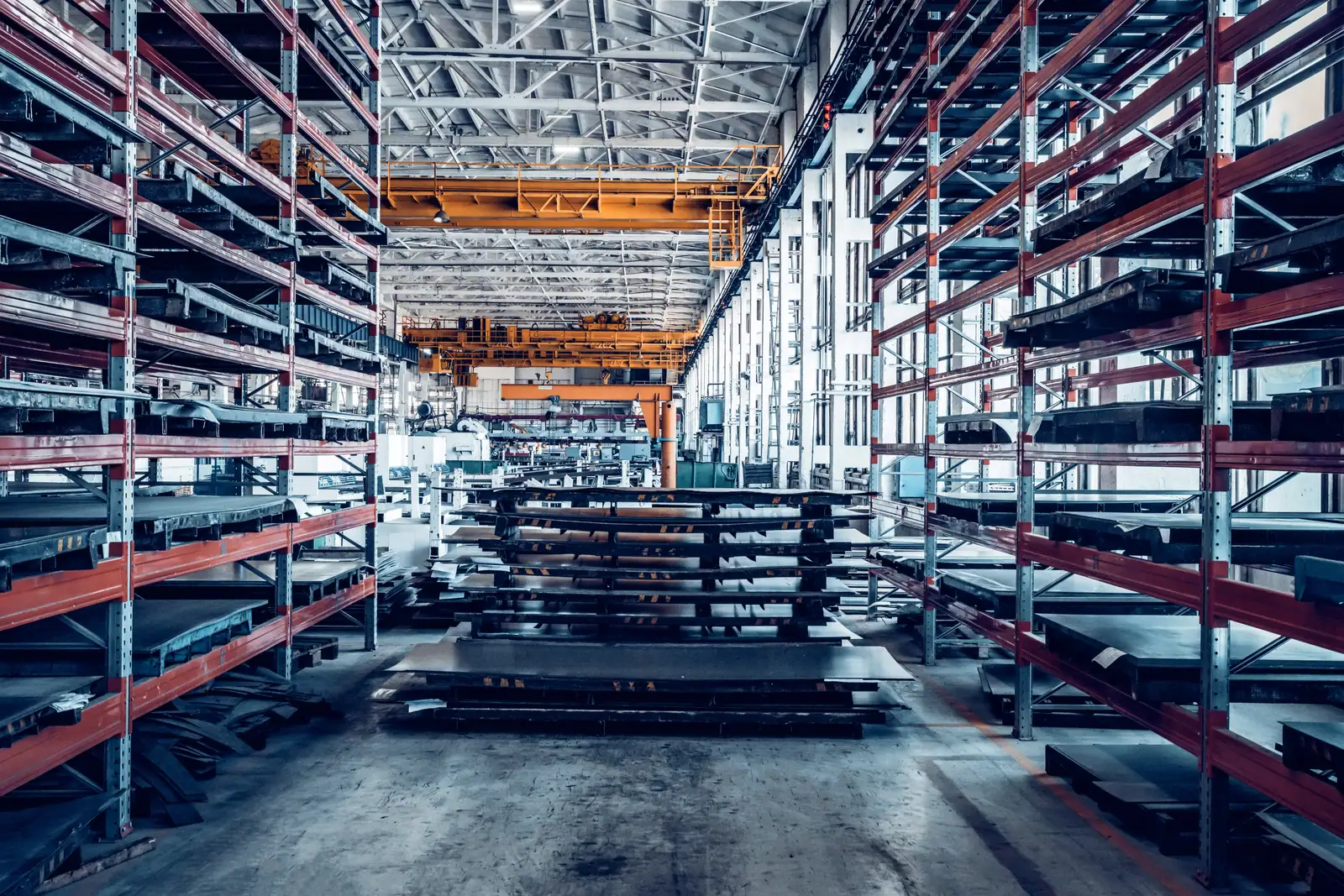
A machine driven hard by someone else's operator rarely fails dramatically. It just quietly costs more and retires early.
The central commercial pain
When you own the machine but someone else runs it, the cost lands on you in three places. The biggest is the quietest. A machine driven hard or checked carelessly rarely fails dramatically. It just costs more to maintain, loses rental days to breakdowns that did not have to happen, and retires earlier than it should. Then come the disputes you can see: the hours argued down, the fuel you cannot reconcile.
Each one is quiet. Together they cap the margin and the fleet you could be running. Darikoda gives you a time-stamped record of how the machine was run, by whom, and what it cost: the wear and its cause, the hours, the fuel. So the leak stops being invisible and the cost stops being yours by default.
The leak, in one line
Protected revenue = accepted hours + accepted fuel - disputed downtime - unresolved damage
Darikoda's job is not to make the subcontractor agree with you. It is to make the disputed hour, litre or fault traceable enough that the argument starts from evidence, not memory.
Many fleet owners already run a daily working, faulty, not needed sheet.

Dedicated hire firms and main contractors running internal hire. Different businesses, the same machine run by someone they do not employ.
Both own fleets they rent to operators they don't directly employ. Both face the deduction game, the weak-evidence vulnerability, the redeployment problem, the asset-condition-with-someone-else's-operator problem. The page treats them as two faces of the same archetype.
ARCHETYPE 1
Businesses whose entire commercial model is hiring out fleet to construction, mining, civils, and quarry clients. 20 to 200 assets typically: excavators, payloaders, tippers, graders, rollers and low-beds. Some serve multinationals through OEM partnership relationships. Some serve local main contractors and government project teams.
What you care about:
ARCHETYPE 2
Main contractors who own equipment but rent it to specialist subcontractors who supply operators and run day-to-day work. You charge by machine hours, supply the fuel, deduct both from the subcontractor's monthly payment.
Why you care:
Your fleet is your business. Sometimes literally to external customers, more often to internal subcontractor relationships.
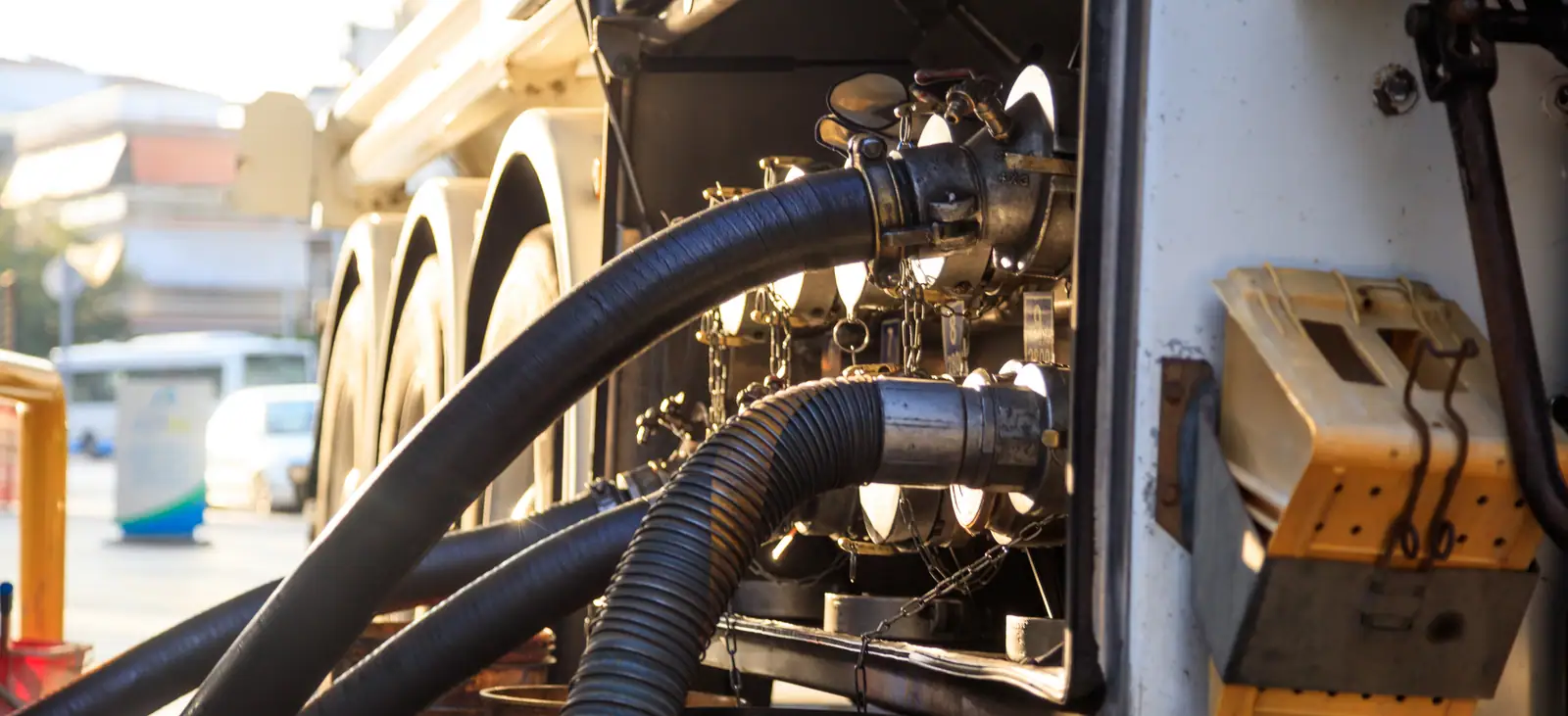
You supply the fuel and deduct against it. Without operator, quantity and photo at the dispense, the deduction reads whatever the other side wrote down.
Seven layers of visibility that turn a paper timesheet into an operational record.
Earning, idle, faulty, not needed, waiting transport, due service, available for redeployment.
Hire rate, machine hours, fuel, parts, service cost, repairs, depreciation, insurance, operator-related damage.
Which machines can move, which should stay, which need a low-bed, which are blocked by site priority, which are sitting on completed scope.
Where the operator is not directly employed by the fleet owner, the asset still needs a usage trail: operator, subcontractor, project, shift, hours, fuel, faults, condition.
Missed service does not only create repair cost. It can remove the machine from hire, force external rental, damage client trust, reduce resale value.
If the client challenges the rate, or the owner is deciding whether to renew, retire, or replace the machine, the answer comes from operating history.
When the subcontractor disputes the bill, the hire-firm defends with digital evidence, not a paper timesheet.
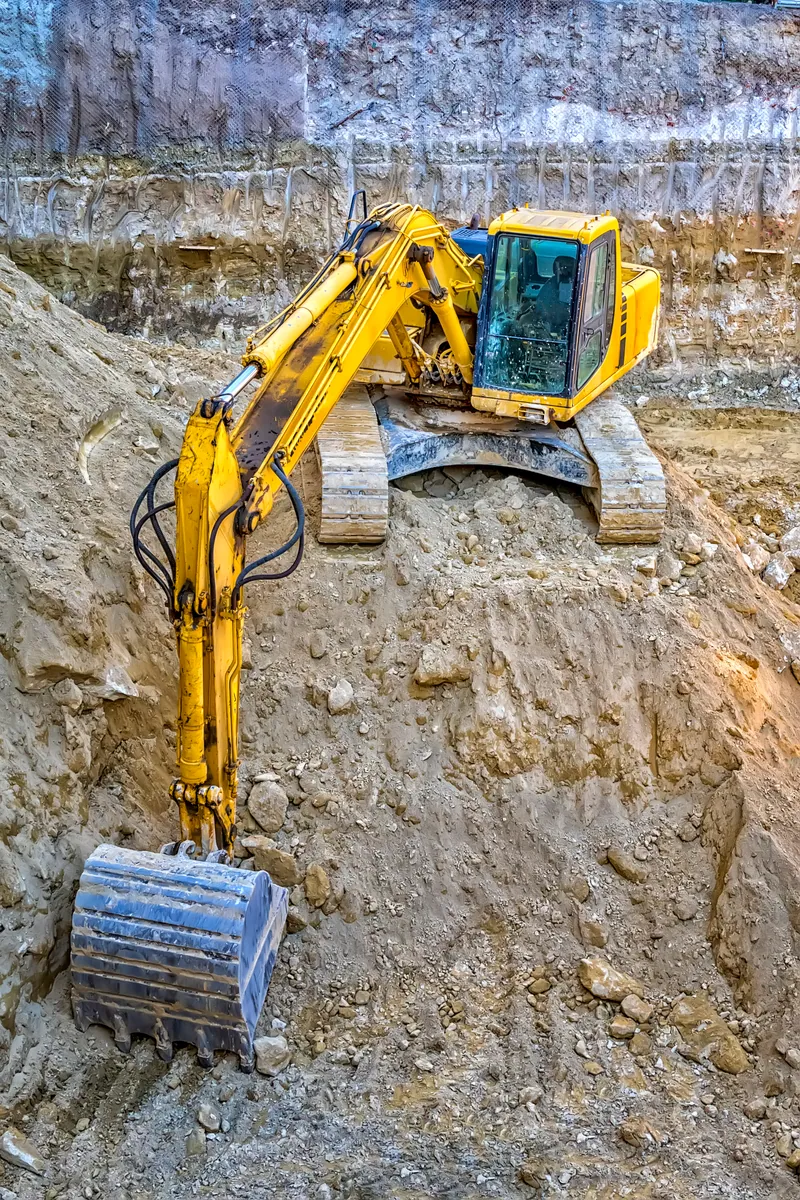
Fixed rental or measured hours, wet or dry hire: the contract sets who carries the wear, the downtime and the dispute.
The same per-machine attribution serves both, with different weighting.
The fleet owner may still earn even when the subcontractor uses the machine inefficiently. The real risk is availability, damage, maintenance neglect, lost rental days, and external replacement hire.
Utilisation and cost-per-output become direct margin issues. Every idle hour is a margin question, not just a scheduling one.
The leverage nuance:Even though operators work for the subcontractor, the fleet owner still maintains direct contact with them, poor care of the machine shows up in the fleet owner's costs later. The fleet owner can usually remove a bad operator from their machine, but not from the subcontractor's payroll. The leverage is real but partial. Darikoda's per-machine attribution makes that partial leverage more effective by making the asset condition trail and operator behaviour visible at source.
Darikoda is digitising, not inventing
Many fleet owners already run a daily machine-status sheet: working, faulty, not needed, moved, or parked.
The problem is that this does not automatically become utilisation, rental income, idle cost, maintenance exposure, or redeployment intelligence.
Darikoda turns that daily status habit into a live commercial record.
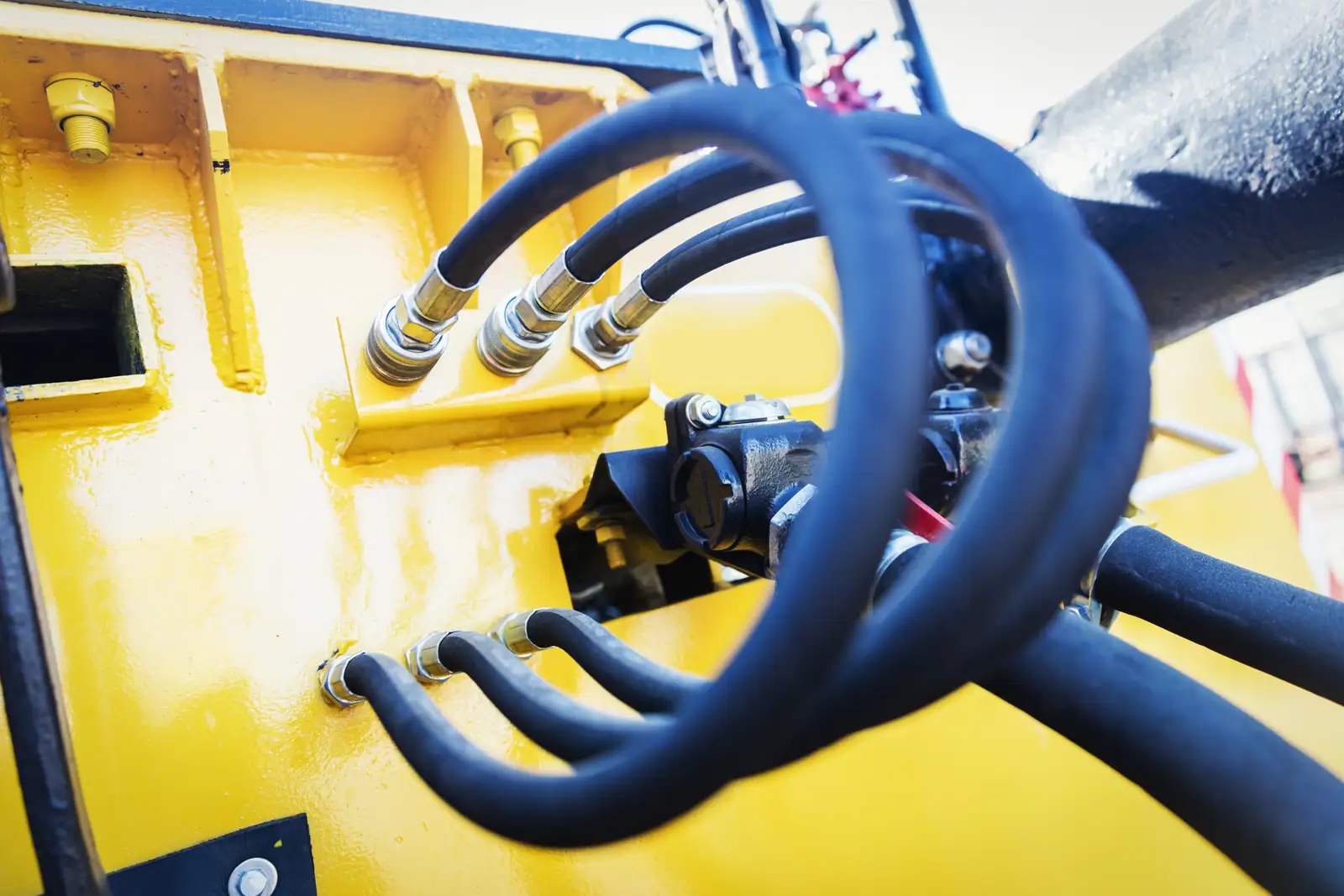
A machine marked only down hides whether it is waiting parts, waiting approval or being repaired. Every day off-hire is revenue gone.
PRIMARY · ASSET PROTECTION
The machine you own but do not operate is the one that quietly wears out. Darikoda ties every fault and damage event to the cause and the operator, so excessive wear is recoverable from the sub, service intervals hold, and the asset runs its full life instead of retiring early. The same record defends the disputed hours and fuel that reduce invoiced revenue when the evidence is missing.
SECONDARY · REDEPLOYMENT
A live redeployment view. Every machine shows: earning, idle, faulty, not needed, waiting transport, due service, available for transfer. When a new project asks for equipment, head office sees what can move, what should stay, what needs a low-bed, and what revenue or risk follows the decision.
COMMERCIAL · HOW IT PAYS
The economics don't depend on dramatic transformation. If one machine that would have sat idle is redeployed into paid work, if one preventable service failure avoids a lost rental period, if one subcontractor stops renting externally because your own asset is available on time, or if one disputed deduction gets defended with digital evidence, the system starts paying for itself. The bigger the fleet, the faster this compounds.
From the field
When the deduction game is the operating model, the operator's PIN at the bowser is worth more than a GPS tracker. Trackers prove the machine was there. PINs prove who was running it, on whose project, billing against which contract. That's the layer the disputes happen in. That's the layer Darikoda captures.
Worked scenarios illustrate the mechanism, not published customer outcomes. (Illustrative model, your number from the audit.)
Old way
Subcontractor's timesheet claims 148 hours. Your tracker shows 173. You have GPS but no operator PIN, no project attribution, no on-site evidence of who was using the machine when. The dispute drags to 196 hours by week three.
On Darikoda
173 hours. PIN attribution per shift. Project assignment timestamped. The subcontractor can challenge the number, but they cannot reconstruct it.
Every billed hour
becomes one you can defend. PIN attribution per shift, so a challenged hour is one you prove, not one you absorb.
Old way
You supplied 7,600 litres. The subcontractor claims 5,400 was used productively. You absorb the 2,200 difference or fight a dispute you cannot win on paper. By month four, the supplier is asking when you'll pay them.
On Darikoda
7,600 litres dispensed. Each event time-stamped, photographed, PIN-attributed. The subcontractor's claim either matches the record or names a specific event to dispute. The negotiation happens on evidence, not on bluster.
Weeks → minutes
is what a fuel variance dispute becomes when the evidence is already assembled, not reconstructed after the fact.
Old way
The Volvo grader sits at Site B for three days waiting on a delivery. The subcontractor argues it's 'not needed', no payment due. You argue it's 'working', hire rate applies. There's no daily record of what state the machine was in.
On Darikoda
Daily status logged by the operator at 07:00 each morning. Working. Faulty. Not needed. With a photo and a GPS lock. By day three, the dispute is already evidence-bound.
Daily commercial record
turns retrospective arguments into prospective ones.
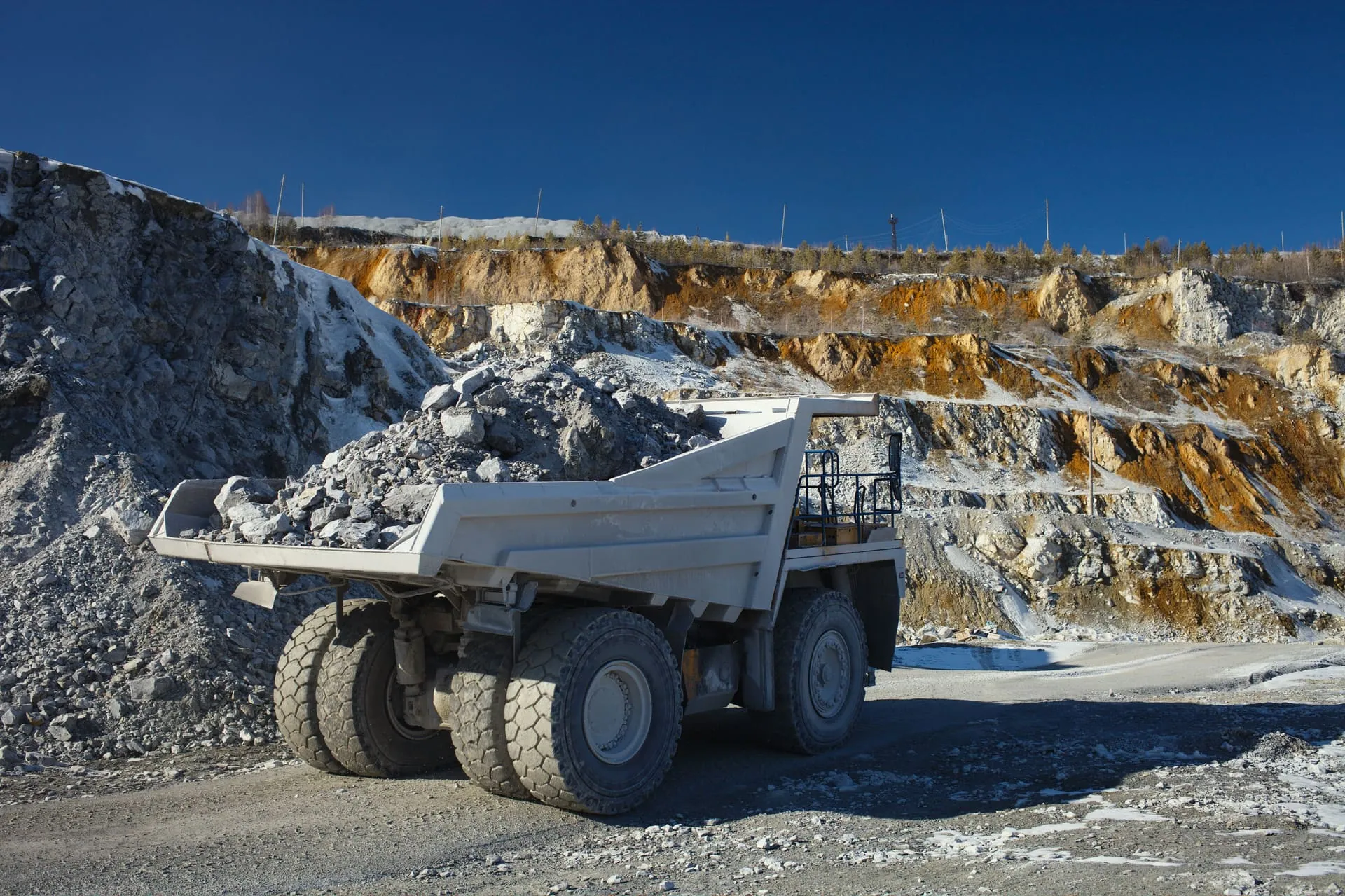
The record holds from the hire-out to the month-end deduction.
Free 30-minute audit on WhatsApp. A one-page leakage map for your fleet. You keep it either way.
CROSS-VERTICAL REACH
Plant hire and fleet-owner businesses serve every heavy-fleet vertical in Ghana. The 2026 national budget allocated GHC 30.8 billion to the Big Push infrastructure programme, and a large share of that road and civils work runs on hired plant. The deduction game changes shape across verticals but the underlying record concern is identical: own the asset, evidence the use, defend the bill.
Common questions from plant hire firms and main contractors operating internal hire models.
Directly. The internal-hire model is one of two archetypes this page is built for. The same per-machine attribution that defends an external hire-rate also defends the deduction you take from your subcontractor at month-end.
Darikoda doesn't replace your commercial workflow, it captures the operational record beneath it. Excel is fine for the bill. It's not fine for what the machine actually did, who used it, when it was idle, when it needs service, and what state it's in. Darikoda gives you that record. Your existing finance flow keeps working.
Full comparison: Darikoda vs ERP, trackers and spreadsheetsFuel dispense events are captured at the bowser with operator, machine, project, time, and quantity attribution. The record sits underneath your deduction at month-end. When the subcontractor disputes the litres, the timestamps and operator attribution are already there.
How fuel records workThat is the primary commercial proof point. A time-stamped, attributed log of every machine hour and every fuel event during the dispute period is harder to argue with than a paper timesheet produced after the fact.
Yes. The operating record is per-machine, not per-project. Whether the machine is on your own site, a subcontracted site, or a client's site, the same attribution layer applies. Operators on shared tablets identify themselves with PIN-level attribution, so you see the asset's reality even when the people around it aren't yours.
It is the existing monitoring, captured digitally. Many fleet owners already run a daily machine-status sheet using exactly that vocabulary. Darikoda turns the daily status habit into a live commercial record without forcing a new process on your team.
How downtime and availability records workRedeployment visibility is one of the seven things the system surfaces by default. When a new project asks for equipment, head office sees what's earning, what's idle, what's faulty, what's available for transfer, and what needs a low-bed before it can move. The decision gets made with the asset trail visible, not from memory.
Per-asset operating cost, fuel, parts, maintenance, downtime, against revenue earned, is the rate-defence evidence. When a client pushes back on the hire rate, you have the per-machine cost record to negotiate from.
How fleet records workOperators identify themselves at machine handover with a PIN tied to their employer record. The machine logs every hour, fuel event, and reported fault under that operator and that subcontractor for the duration of the shift. The fleet owner can usually remove a bad operator from their machine, but not from the subcontractor's payroll. The leverage is real but partial. The attribution layer makes that partial leverage more effective.
There's a fixed-fee Build & Activation phase to configure the operating record to your operation, followed by an ongoing subscription once the pilot proves operational value. The audit produces the specific number for your fleet.
From the Operating Notes
The Operational Audit takes 30 minutes. You get a one-page leakage report, plant-hire specific, that you keep regardless of next steps.
Patterns described here are drawn from extensive field audits and industry research across Ghana's mining, construction, roadworks, and quarry sectors. No specific operator is named or identifiable.