Darikoda · Operational intelligence for Ghana

Money leaks where the field and the office disagree.

Your ERP shows the invoice. Your trackers show the truck moved. Neither shows who ran the machine, what it produced, what it burned, or why it stopped. That gap is where your margin goes.

Darikoda is the operating record built around how your operation actually runs, so it gets used, the leak closes, and you scale on numbers you can defend. Captured at source.

Keep the leakage map regardless of next steps.

Darikoda is operational intelligence software for Ghanaian fleet-heavy operators. It is the operating record built around how your operation actually runs: a time-stamped record of fuel, machine hours, downtime, approvals and certificate evidence. So contractors keep operations predictable and defend margin instead of reconstructing events from WhatsApp, trackers and spreadsheets.

In 30 seconds

  • What you get: predictable, accurate operations and the control to scale without the leak. Recovered billable hours, faster cert prep, less fuel variance, fewer disputed deductions.
  • Who it is for: Ghana fleet-heavy operators in mining, construction, civils and plant hire.
  • First step: a free 30-minute audit that maps where your operation is leaking. One page. You keep it either way.

From the field

I have sat inside these operations. Here is what I almost always find.

The leak is rarely where the spreadsheet says. It hides in the gap between what happens on site and what reaches the office. Across mines, quarries, road and construction sites, the pattern repeats.

Supervisor keeping a fuel and materials log by hand on site
The controls that matter often live in one supervisor's notebook. The leak hides in the gap between what the site writes by hand and what reaches the office.

Your biggest costs are the weakest evidenced.

Fuel that leaves the bowser but cannot be tied to the machine that burned it. Parts and tyres bought with no proof of what they returned. A cost per tonne or per hour nobody fully trusts.

The month-end count decides what you get paid.

The work was done. The other side's record says less. Hours, litres and quantities walk at every reconciliation, because the dispute is settled by whoever holds the structured count, not by who did the work.

Nobody can answer the question that runs the business.

Which machine earns and which one bleeds. What a project actually cost to run. Most operators cannot say, because the numbers to answer it were never put together.

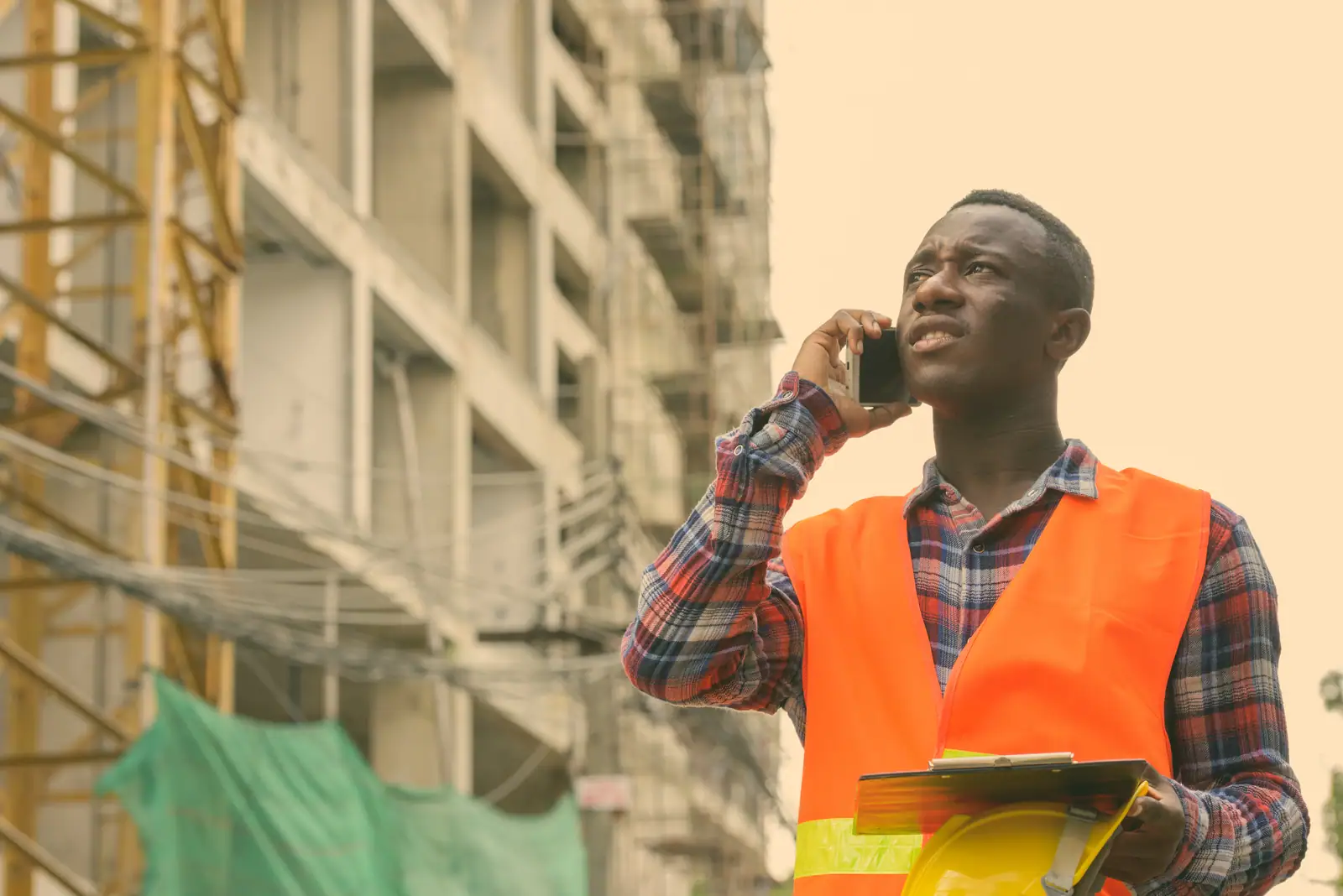
The whole operation runs through one person's phone.

More approval requests than one person can track, most of them on WhatsApp. A cheap part waits days for sign-off while the machine it belongs to stands idle.

Most operations software is pretending to work.

Not because it is bad software. Because your ERP, your trackers and your dashboards cannot see what happened in the field: who ran the machine, what it produced, what it burned. The licence renews while the real record stays in heads, on paper, and in WhatsApp. That gap is not a software failure. It is the layer no one built, and it is the layer Darikoda is.

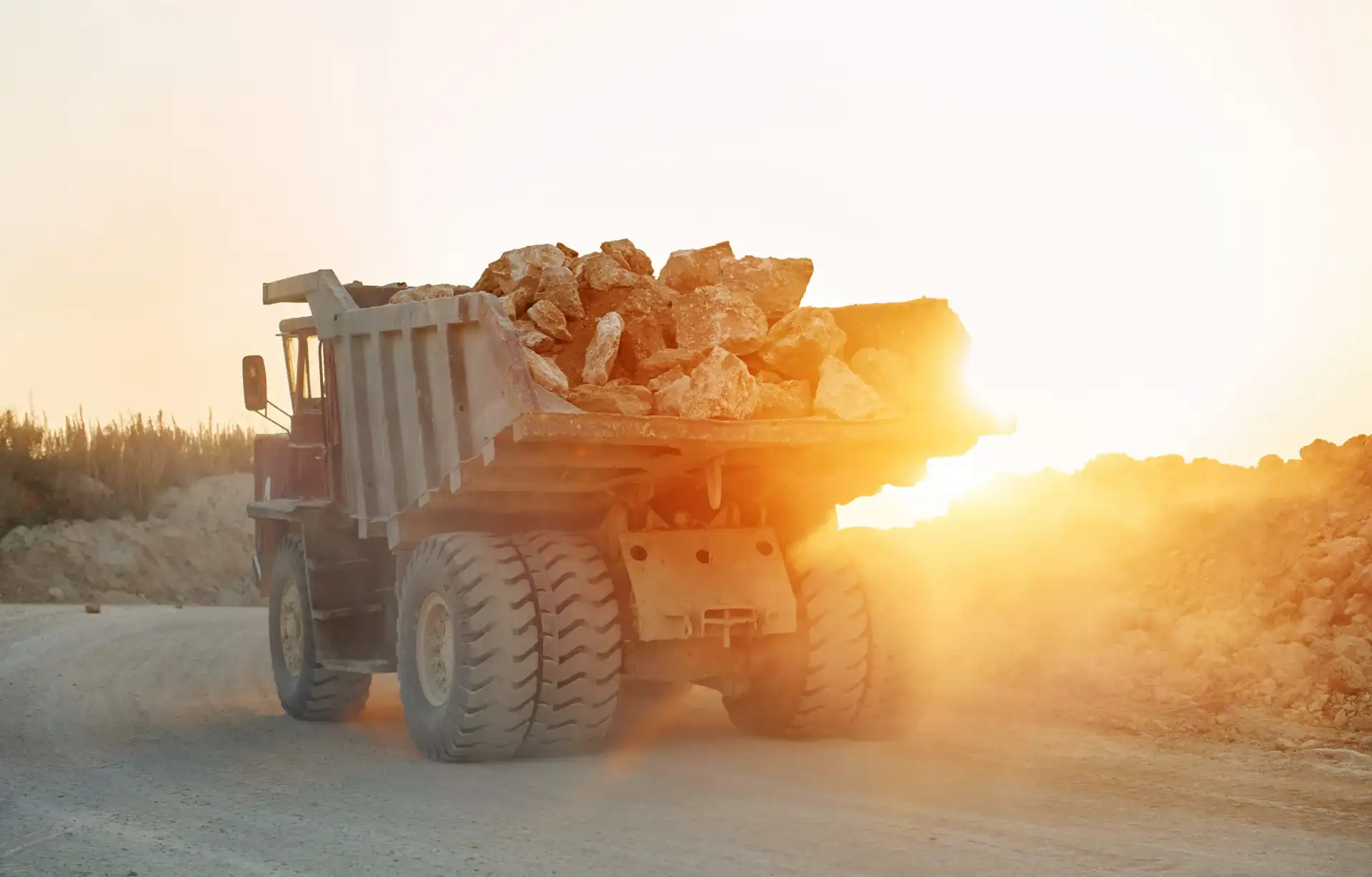
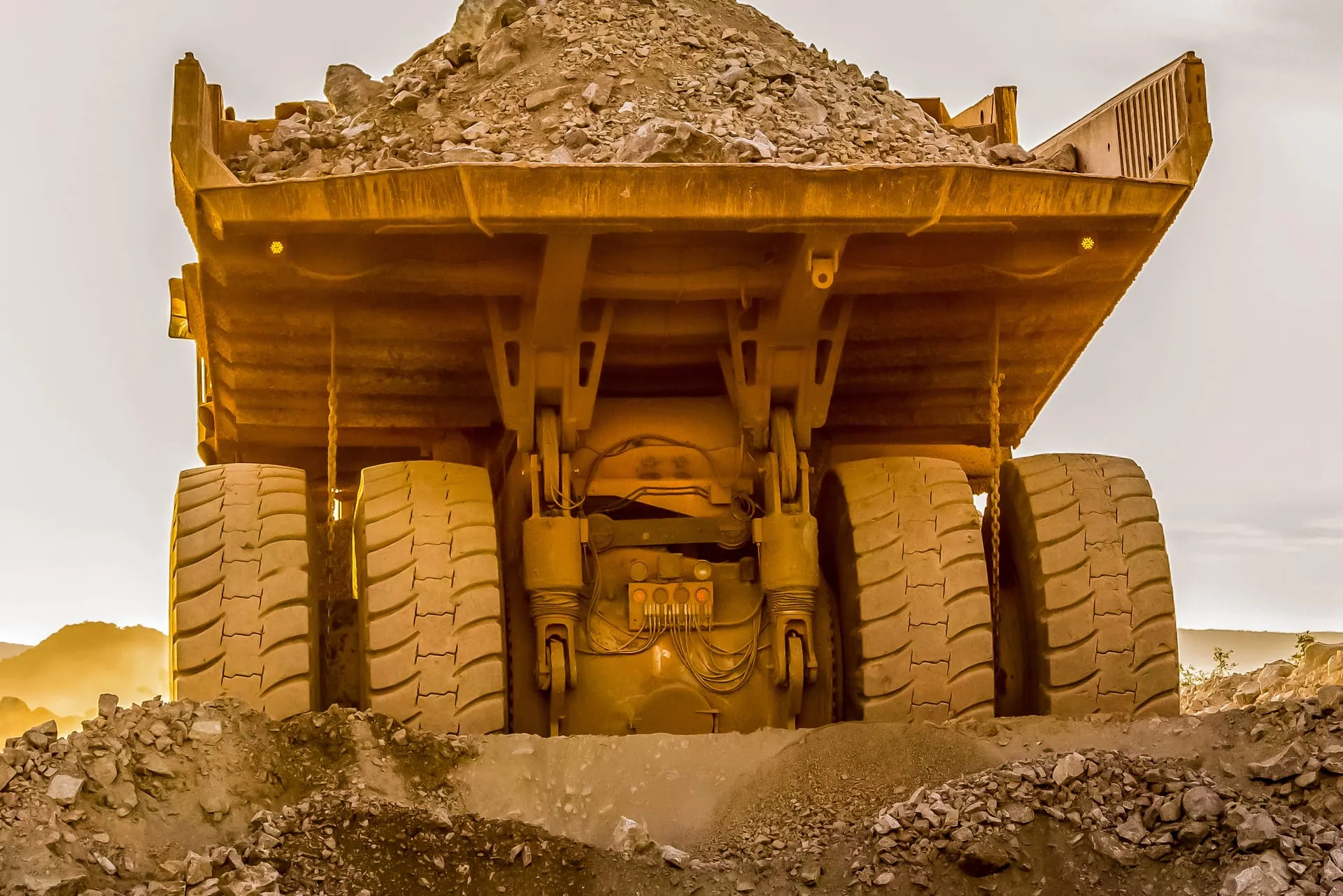
Rigid dump truck working a haul road at a Ghana mine
Where the record begins

Captured where the work happens.

The day's reality, logged at the moment it happens, not reconstructed from memory at month-end.

One operating record, seen through your lens

This works across heavy-fleet operations. We build it through your reality.

Pick your operation, then your role. These are the questions a 30-minute audit starts to answer for an operation like yours, with your own numbers.

Start by picking your operation above.

Each lens shows what the field says an operation like yours is most likely leaking, and routes you to the page built for your role.

The real reason this matters

Make running your own operation profitable again.

Without the right systems, running your own fleet can quietly cost more than handing the work to subcontractors. That is the leak at its largest: the point where an operator gives up margin just to escape the management burden. Darikoda turns weak field evidence into protected margin, so self-operating stays the profitable choice as you scale.

Excavator working a civils project at scale in Ghana
Run your own operation

Your operation. Your margin.

Self-operating stays the profitable choice when the field record is strong enough to defend the margin.

What it returns.

In similar operations, the first changes usually show up in:

  • Cert preparation becoming faster because field evidence is already structured.
  • How much fuel variance becomes visible at source rather than absorbed into operational noise.
  • Which part of downtime is really the largest, once it is broken down instead of logged as one number.
  • How hire-versus-own decisions and renewal negotiations get made (with per-asset evidence, not memory).
  • How disputed deductions from subcontractors get defended (with immutable digital evidence, not paper timesheets).
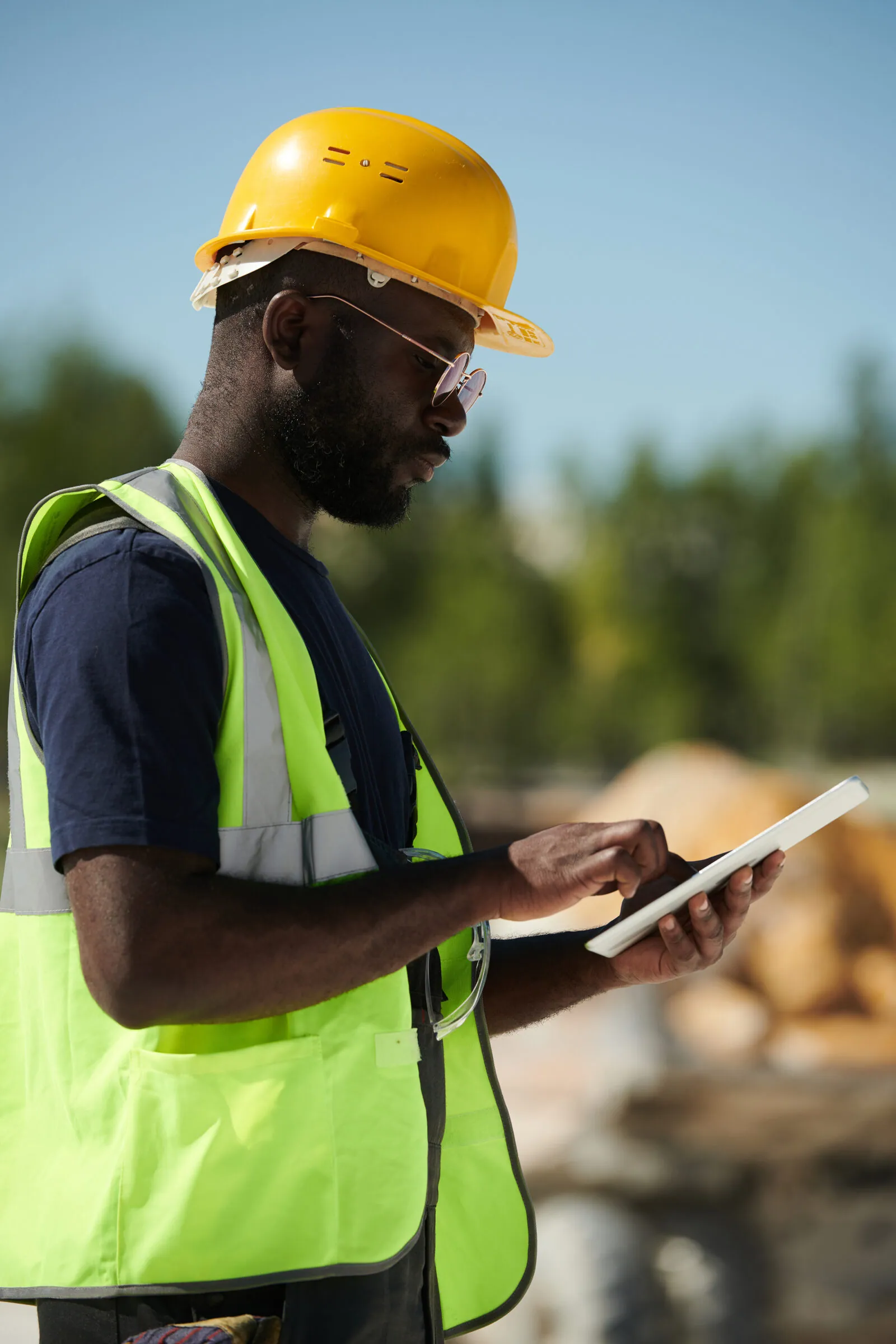
Site engineer reviewing the operation on a tablet at a Ghana site
The returns start with structure. When the field evidence is captured clean, cert prep, fuel variance and disputed deductions all move in your favour.

Your specific number depends on your fleet, your contracts, and your current baseline. The Operational Audit produces it.

What the platform actually does

Follow one fuel event through the record.

The same flow carries machine hours, downtime, materials and approvals. Fuel is just the clearest example.

  1. 01 · Captured at source

    The event is logged where it happens.

    A fuel event at the bowser, logged the moment it happens: which machine, how much, who was at the controls, with proof attached. Not reconstructed from dockets at month-end.

    PINGPSPhotoTime-stamp
  2. 02 · Held offline

    The record holds without signal.

    The event is saved on the spot and reaches the office when the signal returns. The operator never waits for 4G.

    SavedQueuedSynced
  3. 03 · Variance flagged

    The gap surfaces the day it opens.

    Litres dispensed against hours run, per machine. The variance that used to hide for three weeks is flagged while you can still act on it.

    Litres vs hoursFlagged
  4. 04 · Exported as evidence

    Month-end opens with the pack ready.

    Time-stamped, attributed, immutable. The same record bundles into the cert or deduction defence the month-end argument is settled with.

    Time-stampedAttributedImmutable

A schematic, not a screenshot. What the record does matters more than what the screens look like.

Aerial view of a construction development in Ghana
It outlasts the shift

Built so the record survives the site.

Offline-first, attributed, immutable. The record holds when the operator moves on and the month-end argument starts.

What that means in practice.

Six commitments, built into how every field event is written, so operations stay predictable and you keep control as you scale.

  • Every field event is saved on the spot and syncs when the signal returns. No spinning wheel of death, no falling back to paper when the signal drops. Your operators never wait for 4G.
  • You can always see whether a field entry has reached the office yet. No more "did it go through?"
  • Every action is attributed to a person, role, device, and time. No silent edits to history.
  • Shared tablets use PIN-level worker attribution. No one is logged in as someone else.
  • Failed syncs create visible issues, not silent gaps.
  • Finance and operations see the same record. Your existing accounting or ERP gets fed the per-machine truth it cannot produce on its own.
Operator capturing a field event on a phone, queued to sync
Every field write saves on the device first and syncs when signal returns. The operator never waits for 4G, and the record never falls back to paper.

For engineers: how it's built →

Theo Ilori

Why operators trust the record

Built in Ghana by an engineer who lived inside the operation.

Engineer-built, not agency-built.

UCL MSc Mechanical Engineering, then GE precision turbines and Caterpillar/Unatrac across Ghana and Nigeria heavy fleet operations. The operating record was designed by someone who stood at the bowser. Problem first, then the system that simplifies it.

Ghana operating reality first.

L.I. 2431 procurement discipline, FIDIC red book joint measurement, the sliding-scale royalty regime, parts lead times from Tema, Starlink on patchy 4G. Built for this reality, not localised after the fact.

Honest about the stage.

Founding-customer engagements are active across Ghana fleet operations. We would rather hand you a leakage map than a logo wall.

Darikoda is built by Darikoda Systems Ltd, registered in Ghana, with Ilori Streamline Ltd (UK Company No. 16378536) behind it.

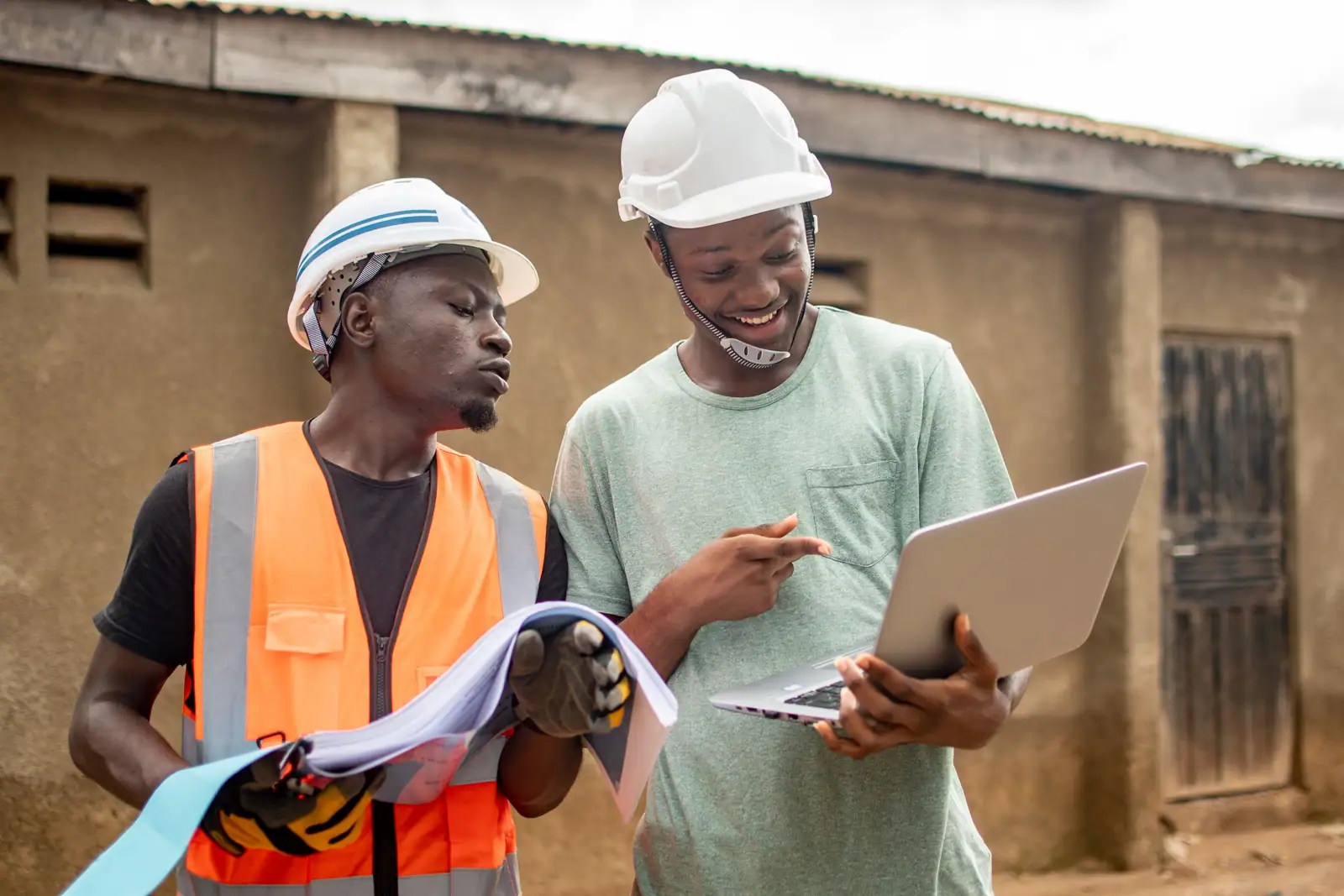
Operator and manager reviewing an audit on site
Start here

It starts with a 30-minute audit.

One page that maps where your operation is leaking. You keep it regardless of next steps.

What a leakage map looks like

One page. Your leaks, named and ranked.

Example format only. Your audit uses your own numbers.

Fuel

Evidence gap
Litres not tied to a machine or operator
Commercial risk
Variance absorbed at month-end
First fix
Dispense record with operator PIN and machine

Hours

Evidence gap
Tracker and timesheet disagree
Commercial risk
Billable hours disputed
First fix
Shift-level machine-hour record, attributed

Downtime

Evidence gap
Cause recorded after the fact
Commercial risk
Idle cost buried in a single breakdown line
First fix
Downtime reason captured at the event

Cert evidence

Evidence gap
Chainage proof reconstructed late
Commercial risk
IPC cut or delayed
First fix
Section-level evidence pack

The 30-minute audit produces this for your operation, ranked by likely commercial impact. You keep it regardless of next steps.

The path from leak to defendable record.

Start with the audit. The first 30 minutes is free.

01

Free audit

A free 30-minute map of where your operation is leaking. One page. You keep it regardless of next steps.

02

Full audit

A paid, in-depth audit that quantifies the leak across your fleet, contracts and sites, and sizes the opportunity.

03

Build & activate

We configure the operating record to how your operation runs and field-test it on real devices. Timed to your fleet, not a fixed clock.

04

Pilot, then rollout

A pilot proves the value in your live contracts. Then an ongoing subscription.

Founding-customer engagements active across Ghana fleet operations. First Build & Activation phase now underway. First published case results targeted Q3 2026.

Ready to see your own leakage map?

30 minutes. WhatsApp. You keep the map either way.

Engineer conducting site inspection
No hype

What's already real.

No logo wall and no inflated case studies. The honest state of where Darikoda is today, and what you would be joining.

Early build is underway with founding customers in Ghana.

Build and activation now. Published results when they are ready.

Site engineer using a tablet
On site Ghana

We are in early build and activation with founding customers in Ghana. We configure and prove the operating record on your operation before any ongoing commitment begins.

Published results will come from these first engagements, with their permission, when they are ready.

If yours is next, you get founding-customer pricing and my direct line for two years.

Onboarding founding customers

Talk to me

The fastest way is WhatsApp.

+44 7984 845440

theo@iloristreamline.com

Typical reply within the hour during UK and Ghana business hours.

Patterns described here are drawn from extensive field audits and industry research across Ghana's mining, construction, roadworks, and quarry sectors. No specific operator is named or identifiable.

Frequently asked questions.

What exactly does Darikoda do?

Darikoda is the operating record between what your fleet did and what your office can defend at month-end. Fuel events, hour-meter attribution, mechanical availability, materials variance, approvals, certificate evidence. Captured at source.

Does it work in low-connectivity environments?

Yes. Every field write saves locally first and syncs when signal returns. Operators do not wait for 4G. Sites with Starlink plus patchy 3G/4G are well within the operating envelope.

Is this just for mining?

No. Mining is one of five verticals. Darikoda also serves construction (developers, main contractors, subcontractors), civils and roadworks (government contractors under FIDIC), and plant and equipment hire firms. The operating record architecture is the same across all of them.

Why start with an audit?

Because most operators already know money is walking out. The audit is 30 minutes that produce a one-page leakage map. You keep it regardless of next steps. It pre-qualifies whether Darikoda is the right next move or whether something simpler fixes the issue first.

How fast can someone speak to us?

Usually within the hour during UK and Ghana business hours. WhatsApp is the fastest channel. Email works for asynchronous follow-up.

Message Theo to book the audit