
Charge your projects properly.
You move your own fleet between your own projects. Without internal hire rates and utilisation evidence, you cannot see which project is really carrying the cost.
Darikoda gives you the internal cross-charge record. Captured at source.
You move your own fleet between your own projects. Without internal hire rates and utilisation evidence, you cannot see which project is really carrying the cost. Darikoda gives you the internal cross-charge record.
Where the portfolio average lies
The six places per-project equipment cost disappears into the portfolio average.
Per-project equipment cost hidden inside the portfolio.
Three concurrent projects share one fleet. Without internal cross-charge, the fleet cost reads as one number across the portfolio. The project that is really carrying the equipment burden disappears into the average.
Subcontractor operator on your machine.
You own the equipment. You rent it to a specialist subcontractor who supplies the operator. Hard driving and missed checks never reach you as a cause, only later as higher maintenance and a machine retired early. You can remove a bad operator from your machine, but not from the subcontractor's payroll, and not without evidence of who did what.
Hours challenged at month-end.
You charge by machine hours, supply the fuel, deduct from the subcontractor's payment. When the paper timesheet is disputed, you lose revenue or absorb cost. The internal cross-charge model has the same evidence problem as external hire, with less visibility.
Redeployment decisions made too late.
Which machine should move, which should stay, which is due for service, which is blocked by site priority. Without cross-project visibility, a machine sits on a completed scope for weeks because no one at head office had visibility on what was free where.
Service-risk visibility across projects.
Missed service forces the subcontractor to rent outside while your own machine produces nothing. The cost is your repair plus their external rental plus the missed productivity, all wearing the same brand.
Asset-condition history under someone else's operator.
The machine returns from a project with damage. Was it operator error, fault progression or end-of-life? Without attribution at PIN level, the answer is opinion, the wear is unrecoverable, and the asset quietly retires early. Resale value and renewal economics depend on the evidence.

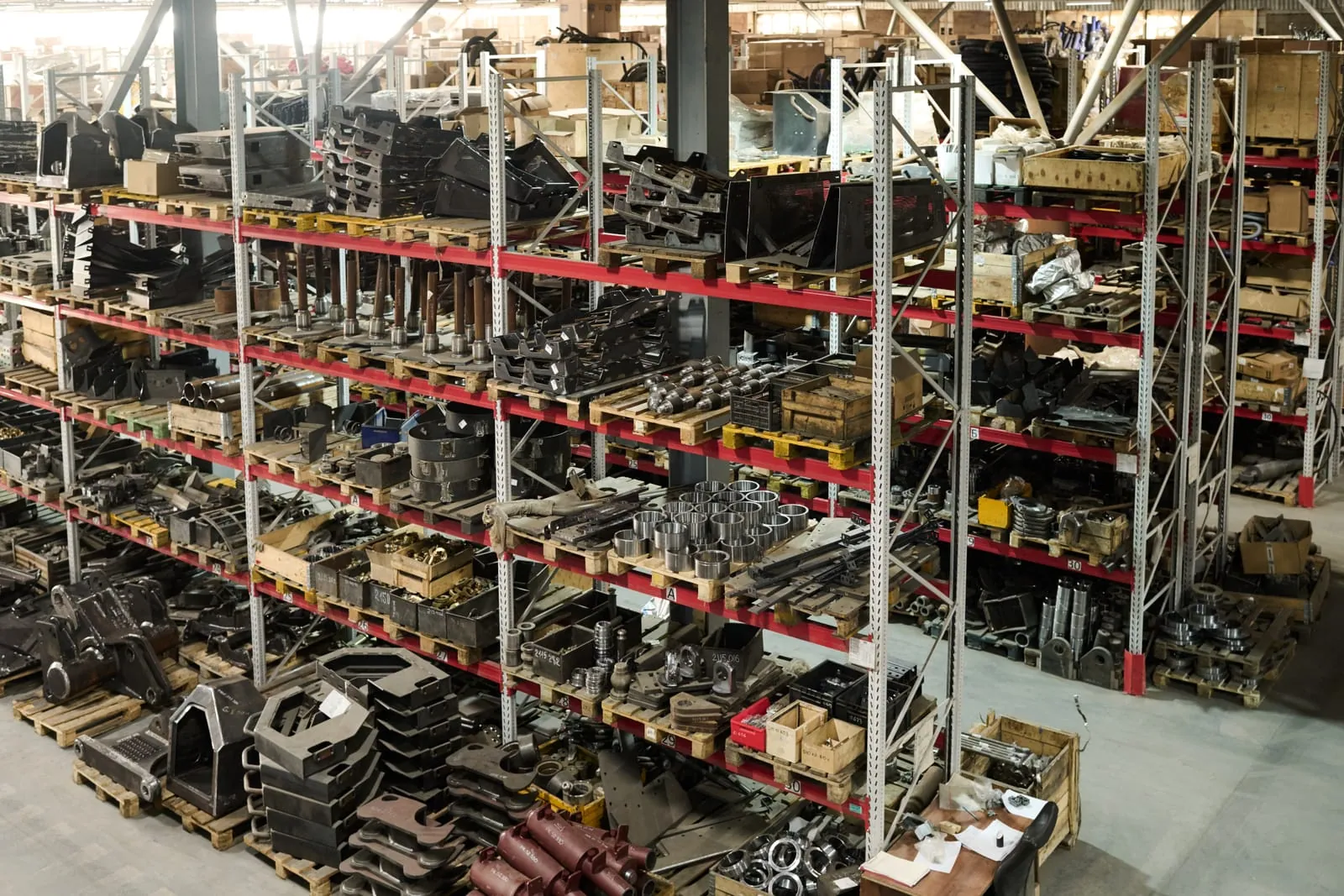
Move your own fleet with the record moving with it.
When a machine moves between your projects, the cost, the hours and the wear should move with it, so each project carries its real fleet burden.
What changes between portfolio average and project truth
Three scenarios where internal cross-charge becomes evidence-led.
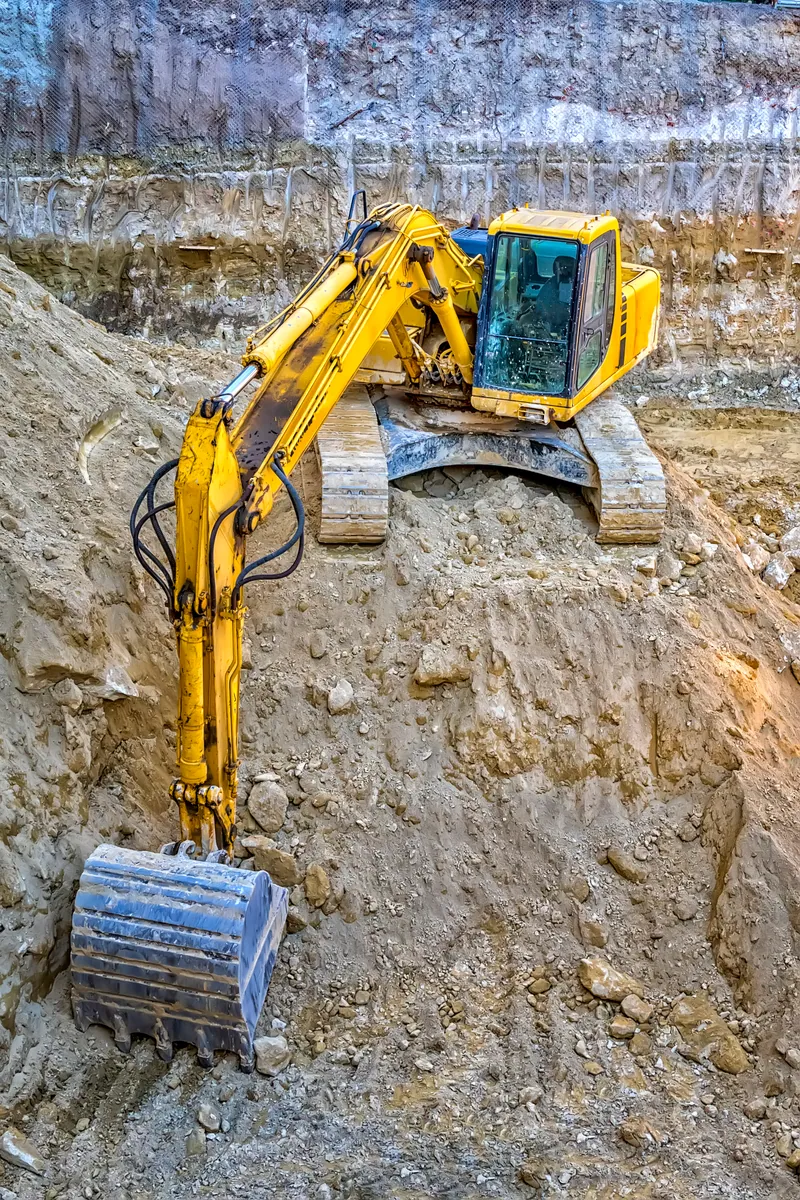
Three road projects share one excavator fleet. Equipment cost shows up as one number across the portfolio. Project A looks healthy, Project C looks middling. Three months later it surfaces that Project C had been carrying 60% of the fleet hours.
Each shift logs hours against the project and the subcontractor. Per-project equipment cost surfaces live. Project C is named in week three, not at quarterly review.
Per-project attribution
the unit at which true project profitability becomes visible.
Subcontractor at Project B disputes 22 hours on the rented loader this month. Their timesheet says 158, your fleet record says 180. You absorb the 22 hours because the only counter-record is the foreman's memory.
Operator PIN at start, stop and idle. Hour-meter time-stamped with GPS. Even when the operator belongs to the subcontractor, the machine record stays attached to the asset. The deduction conversation happens with evidence.
Per-event hour-meter
the unit at which internal-hire dispute defence becomes possible.
Loader returns from Project A. Cab damage and worn undercarriage. Was it operator error, fault progression or end-of-life? Without attribution, the answer is opinion. The cost shows up in your books with no defensible attribution.
Daily condition log, PIN-attributed fault reports, GPS-confirmed positions. The history of the asset's time on the project is structured rather than reconstructed.
Per-shift condition
where resale value, renewal economics and operator coaching all start.
Different scenarios. Same underlying gap. Same closing move.
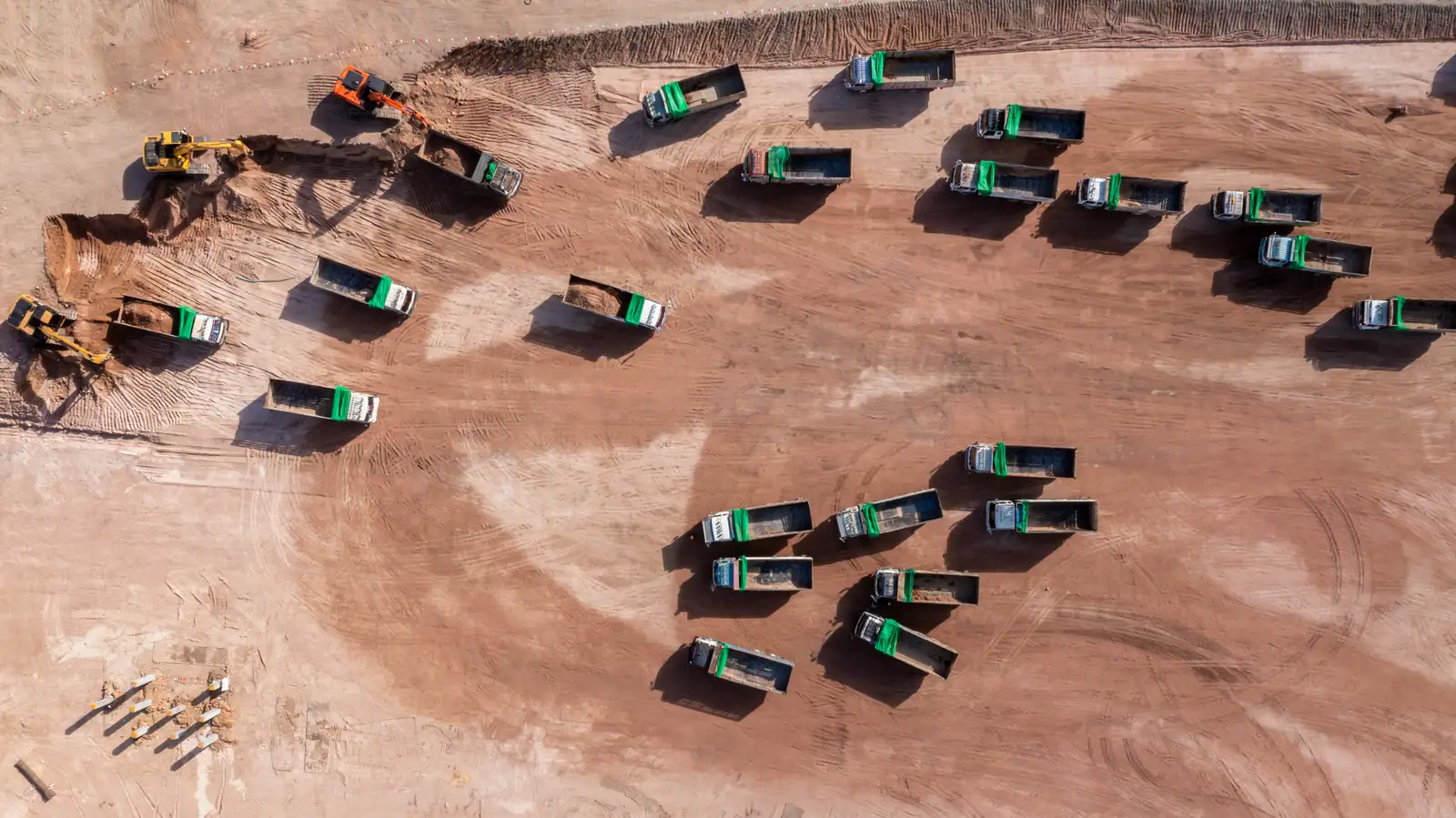
An idle week has to land on someone's budget.
Per-asset hours and idle time attributed to the project that held the machine, not lost in the aggregate.
Built so the internal cross-charge survives the project-level audit.
The cross-charge starts with a shift run by someone else's operator. This is how the record reaches head office unbroken.
- Every shift's hours and condition entry saves locally first and syncs when signal returns. Remote project sites do not wait for connectivity.
- Every transaction has a sync state. No silent gaps between site reality and head office cross-charge.
- Even when the operator belongs to the subcontractor, the asset record stays attached to the machine. PIN-level attribution at the tablet captures who was at the controls.
- Internal hire rates configured per project, per equipment class, per subcontractor agreement.
- Failed syncs at remote projects become visible issues, not silent gaps in the per-project profitability dashboard.
- ERP and finance see the same record. Internal cross-charges land in the GL with the operational evidence already attached.
Inside a typical month
What a Darikoda month looks like for internal hire.
From project envelope on day one to internal cross-charges landing in the GL with evidence attached.
Day 1 per project
Each project gets its internal-hire envelope.
Per-project rates, per-equipment-class rules, per-subcontractor agreement. The same per-asset record serves all projects, sliced by the cross-charge rules each project demands.
Shift start
Subcontractor operator logs in via PIN at the tablet.
Asset record stays attached to your machine regardless of who employs the operator. The hours, fuel and condition stay attributed at PIN level.
Daily
Daily condition log and fault reports captured at the source.
Worn undercarriage, cab damage, hydraulic leak. Each entry PIN-attributed, GPS-confirmed, time-stamped. The asset history is structured rather than reconstructed.
Weekly
Cross-project equipment view drives redeployment.
Which machine should move, which should stay, which is due for service. Head office sees the answer before the subcontractor at the next project rents external.
Month-end
Internal cross-charges land in the GL with evidence attached.
Per-project equipment cost, per-subcontractor cross-charge, per-asset utilisation. The portfolio aggregate stops absorbing the bleeder.
Field note from Darikoda
“The asset condition stays the contractor's problem, but the operator works for someone else.”
Internal hire on road and civils projects is one of the most under-served operational structures in Ghana. The main contractor owns the asset, the subcontractor employs the operator, the asset condition stays the contractor's problem, and the dispute defence requires evidence on both sides of the same wall. The portfolio aggregate hides the bleeding project. The asset returns from the project with damage and the attribution is opinion rather than record. The operating record closes both gaps. Per-shift, per-PIN, per-project, captured at the event. The internal cross-charge settles on the record rather than on who argues hardest. Both sides of your own wall finally read from the same record.
Darikoda Systems Ltd
Founder-led, engineer-built. UCL MSc Mechanical Engineering. GE precision turbines. Four years inside Caterpillar and Unatrac heavy fleet operations across Ghana and Nigeria.
Internal hire FAQ.
The questions other Ghana main contractors with internal fleets ask in the first call.
We are a main contractor with 150 machines across four road projects. Where do we start?
Internal cross-charge configuration first. Per-project internal hire rates, per-subcontractor agreement structure, per-equipment-class rules. From go-live, each shift logs hours and fuel against the project and the subcontractor. The aggregate stops hiding the answer.
What is the difference between internal hire and external hire on the platform?
Mechanically the same evidence layer: hour-meter, fuel, daily status, operator attribution at PIN level. Commercially the difference is who absorbs the dispute. With internal hire it is you, against your own subcontractor. The evidence still defends your per-project profitability.
Our subcontractors do not currently use tablets. How do you handle that?
Shared tablets at section level, PIN-level worker attribution. The subcontractor's operator logs in to their PIN at the start of shift, logs out at the end. No one has to issue a tablet per operator. The hours, fuel and condition stay attributed to the right person.
Does this work alongside our ERP and accounting?
Yes. The operating record feeds the ERP the per-asset, per-project truth the ERP cannot produce on its own. Internal cross-charges land in the financial ledger with the supporting operational evidence already attached.
We sometimes cross hire from another firm to top up. Can we run both models?
Yes. Cross hire from outside and internal hire from your own fleet run on the same record, and the platform handles dedicated hire firms and main-contractors-running-internal-hire as variants of it. Some machines are external on one project and internal on another, and the contract envelope distinguishes them.
Want the leakage map for your internal hire model?
30 minutes on WhatsApp. You keep the map regardless of next steps.
Patterns described here are drawn from extensive field audits and industry research across Ghana's mining, construction, roadworks, and quarry sectors. No specific operator is named or identifiable.