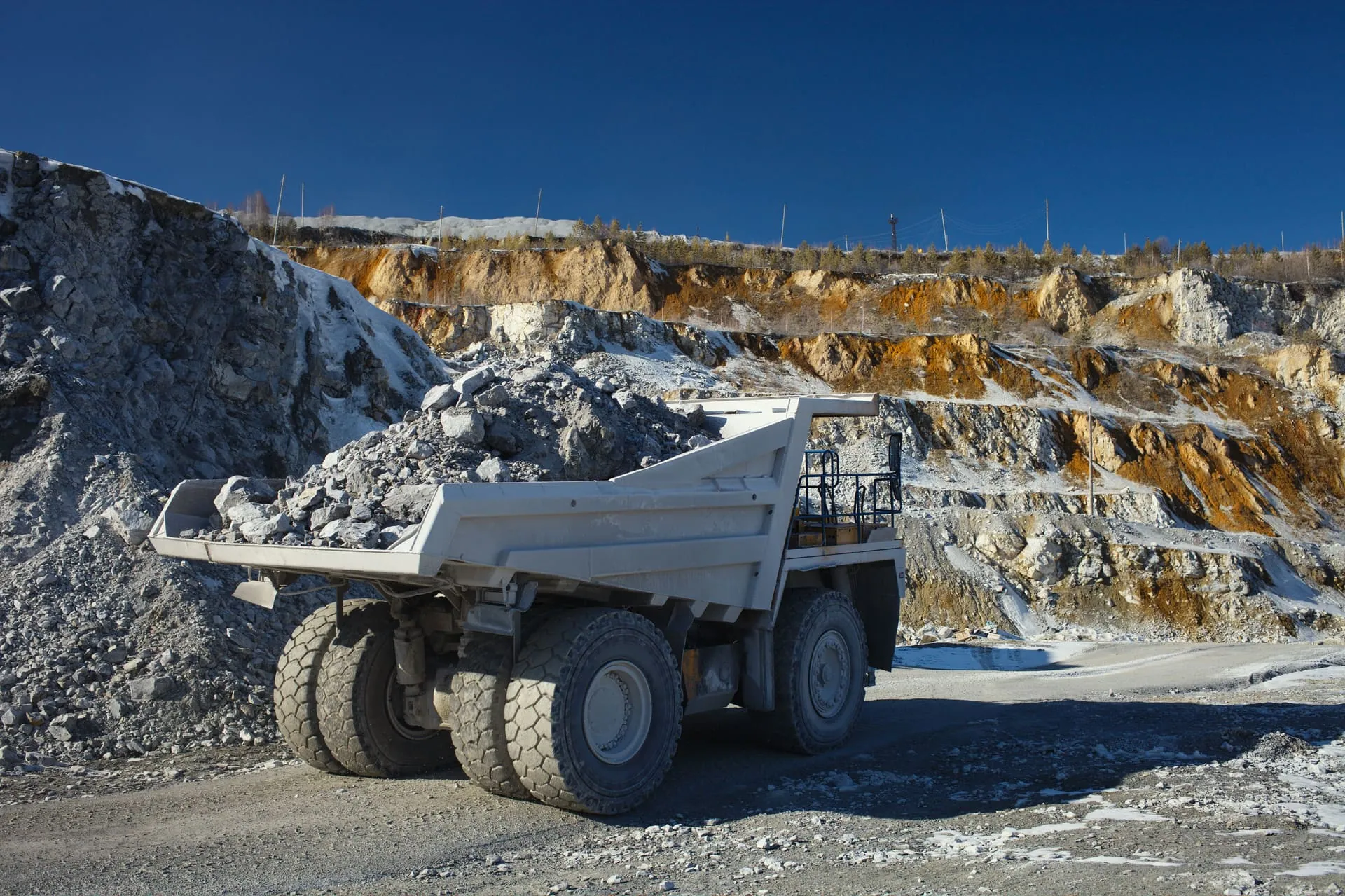

Equipment does not have to break down to lose money. Across mining, construction, plant hire and roadworks in Ghana, some of the biggest losses happen while machines are available but not producing: waiting for fuel, drawings, materials or approvals. Those hours rarely reach a financial report, because nobody captured the reason at the event. The gap between profitable operations and struggling ones is usually not the equipment. It is the operational record behind it.
Equipment does not have to break down to lose money. Across mining operations, construction projects, plant hire businesses and roadworks contractors in Ghana, some of the biggest losses happen while machines are technically available but not producing work.
An excavator waiting for drawings. A haul truck sitting in a queue. A grader waiting for fuel. A loader standing idle because materials have not arrived. These hours rarely appear in financial reports because they are not captured as operational events. By the end of the month, management sees lower productivity but cannot explain where the time disappeared.
The difference between profitable operations and struggling ones is often not the quality of the equipment. It is the quality of the operational record behind it.
The operational problem
Every heavy fleet operation experiences idle time. The problem is not that idle time exists. The problem is that most organisations cannot explain why it happened.
When an operations manager reviews equipment utilisation at month-end, the report shows only that Excavator A worked 6.8 hours today. What it does not explain is why it did not work for the remaining hours. Was the operator waiting for fuel? For approvals? For transport? For materials? For another subcontractor? Without operational records captured at the event, every explanation becomes an opinion rather than evidence.
Why it happens
Idle equipment is rarely caused by one issue. It usually results from several operational failures occurring together.
- Delayed work instructions, drawings or revised specifications.
- Material shortages at the point of work.
- Late fuel deliveries.
- Operator changeovers and late shift starts.
- Traffic and equipment queues inside the site.
- Waiting on survey teams or supervisor approvals.
- Missing supporting equipment and poor production sequencing.
It is worth separating two things that usually get reported as one. Idle time is a machine that is available and ready but not producing. Downtime is a machine that cannot be used because something is preventing it. Both cost the same money and both need capturing at the event, but they are cleared by different people, which is why equipment downtime tracking and idle time belong in the same operational record and not in the same column.
Each delay seems insignificant. But when they accumulate across dozens of machines over several weeks, they become one of the largest hidden operational costs in the business.
Why it costs more than you think
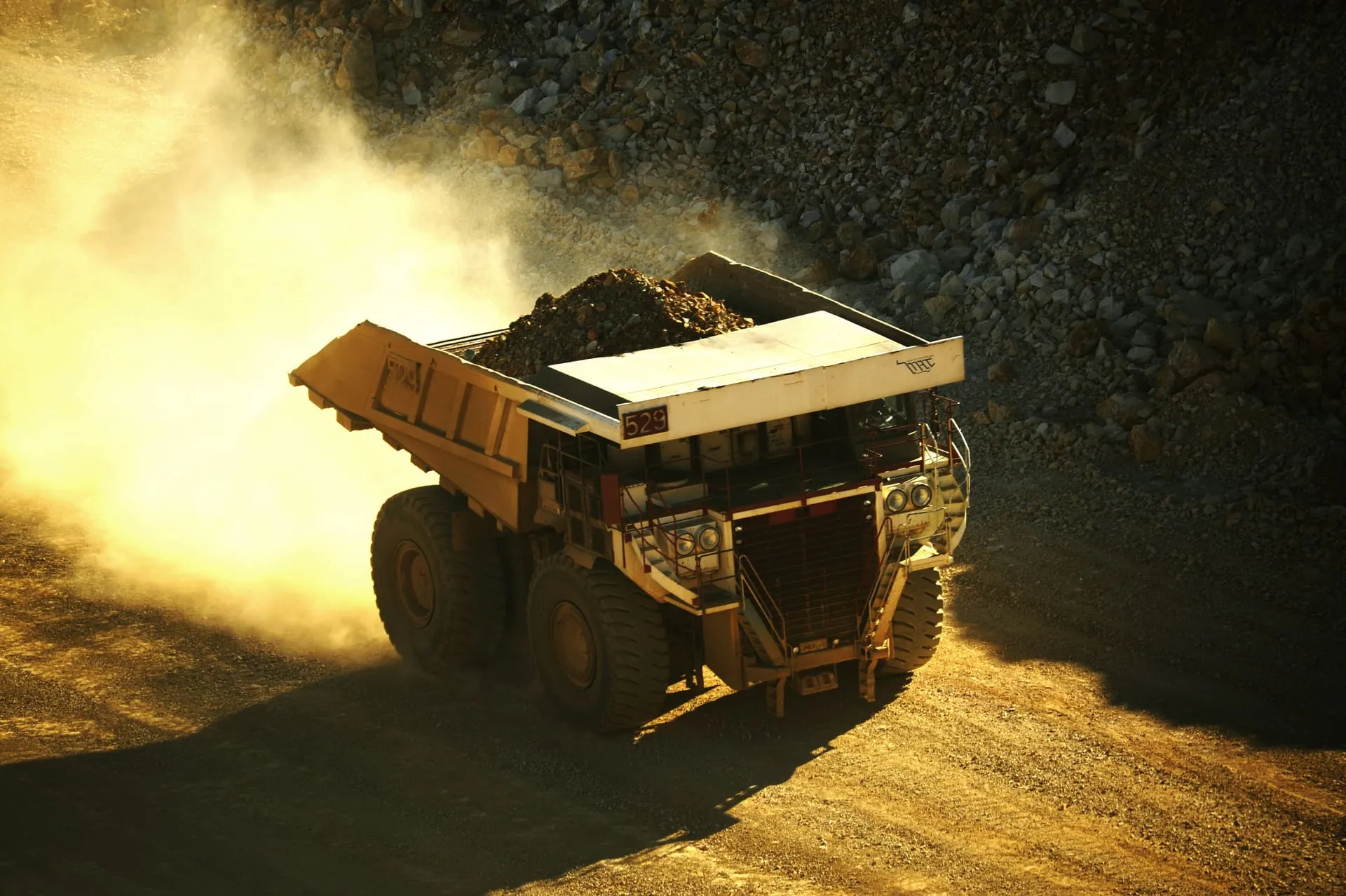
Many companies calculate equipment cost only when a machine is moving. That is incomplete. Idle equipment continues to incur cost. The business still pays for it.
- Operators on the clock.
- Fuel burned while idling.
- Depreciation and finance repayments.
- Insurance and maintenance schedules.
- Supervision and transport logistics.
The machine generates no productive output during that time, and the commercial impact compounds quickly. A single wheel loader standing idle for three hours each day appears insignificant. Across a month, that becomes around sixty hours of lost utilisation. Across a fleet, the losses become substantial. (Illustrative model, your number from the audit.)
The greatest danger is that these losses stay invisible, because nobody captured the operational reasons while they happened.
An example from a Ghanaian operation
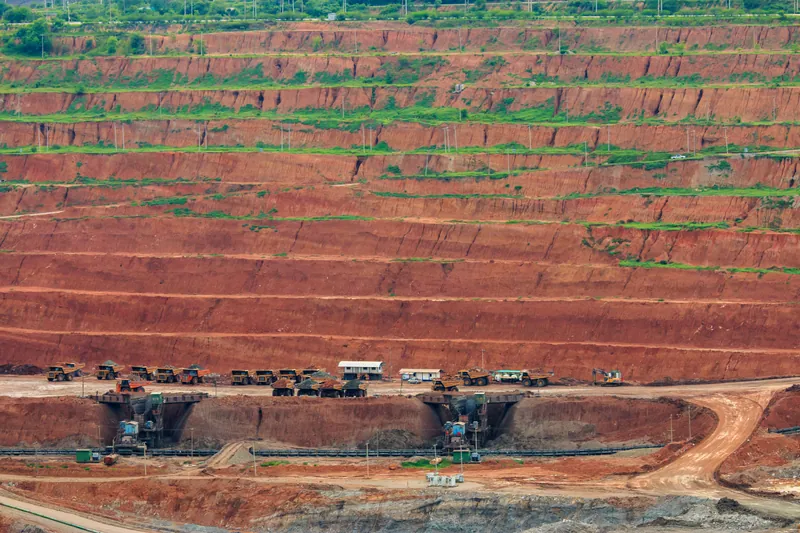
A mining contractor mobilises six articulated dump trucks for overburden removal. Production targets are achievable. During one week, management notices production is below forecast. The monthly report shows reduced output but provides no explanation. After reviewing operational records captured at source, the supervisor identifies the actual sequence.
- Monday: the loading excavator sat unavailable for 90 minutes after a delayed maintenance approval.
- Tuesday: haul trucks queued for over an hour because the dumping area had not been cleared.
- Wednesday: the fuel bowser arrived late and pushed back the afternoon shift.
- Thursday: a postponed survey approval held up excavation in one work zone.
- Friday: an operator changeover ran past its scheduled duration.
None of these events individually justified concern. Together they accounted for more than thirty hours of lost productive equipment time. Without structured operational records, management would have concluded that the fleet needed additional trucks, rather than recognising that the existing fleet had not been fully utilised.
The real cost
Idle time is not a maintenance issue. It is an operational record issue. Machines rarely stop being productive without a reason, and the reason is only worth money if it was captured while it happened.
What good operators do differently
High-performing operations do not rely on memory. They capture operational events as they occur. Every significant delay is recorded alongside the detail that makes it defensible.
- Equipment ID and the operator on duty.
- Location, start time and finish time.
- The operational reason for the delay.
- The approving supervisor.
- Supporting evidence where it matters.
By month-end, management no longer asks why production was low. Instead they ask which operational issues occurred most frequently, and how to eliminate them next month. That shift turns operational reporting from reactive explanation into proactive improvement.
Where most systems fail

Many organisations assume GPS tracking alone provides operational visibility. It does not. GPS indicates that equipment remained stationary. It cannot explain why. Telematics can report engine hours and machine movement, but it cannot capture the reasons that decide utilisation.
- Waiting for approvals or commercial hold points.
- Missing materials or delayed instructions.
- Supervisor decisions and operational bottlenecks.
Those events require operational intelligence rather than location tracking. Knowing where a machine was is not the same as understanding why productivity stopped.
How Darikoda solves it
Darikoda captures operational events where they happen. Rather than reconstructing delays at the end of the month, supervisors record operational interruptions at source while the information is still accurate. This creates structured operational records linking equipment, operator, location, event, approvals and supporting evidence into a single reporting trail.
The result is a defensible operational history that explains equipment utilisation with evidence rather than assumptions, and it strengthens management reporting, commercial accountability, operational audits, productivity analysis and contractor performance reviews. Operators looking at this from the fleet, maintenance or wider operating-record angle can read the role-specific views below.
Key takeaways
- Idle time is an operational record issue before it is a maintenance issue.
- Machines rarely become unproductive without a reason.
- The operators who consistently improve utilisation are the ones who capture the reason while it happens.
- Evidence collected at source produces better reporting, stronger commercial accountability and more informed operational decisions.
Frequently asked questions
- What is equipment idle time?
- Equipment idle time is the period when a machine is available but not carrying out productive work. Unlike planned maintenance, idle time often results from operational delays such as waiting for materials, approvals or instructions.
- Why is idle time difficult to measure?
- Many organisations only record engine hours or GPS locations. These systems rarely capture the operational reason why equipment stopped working.
- How does idle time affect profitability?
- Idle equipment still incurs cost, including labour, fuel, depreciation and maintenance, while generating little or no productive output.
- Can GPS tracking identify idle time?
- GPS can show that equipment was stationary, but it cannot explain why. Operational records are required to understand the underlying cause.
- What operational records should be captured during idle time?
- Useful records include equipment ID, operator, location, start and end times, reason for delay, approving supervisor and any supporting evidence.
- Why do approvals affect equipment utilisation?
- Delays in approving work, maintenance or operational changes can leave equipment waiting even when it is mechanically available.
- How does Darikoda improve equipment utilisation?
- Darikoda captures operational events at source, creating structured records that explain delays, improve reporting and support operational accountability.
- Is equipment idle time only a mining issue?
- No. Construction companies, plant hire businesses and roadworks contractors all experience idle equipment caused by operational bottlenecks.
- How does an Operational Audit help?
- An Operational Audit identifies where operational delays, missing records and weak workflows reduce equipment utilisation, and gives evidence-based recommendations for improvement.
What the audit produces
The free 30-minute Operational Audit finds where your operation is losing money to idle equipment. It names the weak workflows, missing operational records and delayed approvals that reduce utilisation, specific to your fleet and your sites, before they become expensive disputes or lost productivity. You keep the one-page map regardless of next steps.
Read the operating view for your role