
An equipment damage record ties the damage to the machine, the operator and the time it happened. The repair bill is only part of the loss, so record condition before and after each handover.
On this page
A machine can finish its shift with damage that only becomes clear later. By the time it reaches the workshop, the people reviewing the repair may have little information about when its condition changed.
Then the cost appears. A hydraulic component needs replacing, a panel needs repairing, an attachment has been bent, a tyre has been damaged, a service interval has been missed, and the machine loses rental days while the workshop investigates.
Then someone asks the questions that matter.
- What happened?
- Which operator was on the machine?
- Where was it working?
- When did the condition change?
- What was the machine doing?
- Was the damage already there?
- Was an inspection completed?
- Who reported it?
- Who approved the repair?
Without a reliable record, the organisation knows the machine is damaged but cannot establish how, when or why it happened. That turns a physical equipment problem into a commercial accountability problem.
For heavy fleet operators in Ghana, particularly mining, construction, plant hire and roadworks businesses, the useful record is not the repair invoice at the end. It is the operational evidence captured when the condition changed.
The operational problem
Heavy equipment works in environments where damage, wear and abnormal conditions are unavoidable. Machines operate around hard rock, haul roads, construction materials, uneven terrain, excavation areas, drainage works, aggregate, concrete, confined work zones and other mobile equipment.
The problem is not that damage happens. The problem is that the organisation discovers damage without enough evidence to attribute it.
A record often says only this: excavator requires hydraulic repair. That tells management what needs fixing. It does not tell them:
- When the problem started.
- Which operator was on the machine.
- Where the machine was working.
- What activity was taking place.
- Whether the condition had been reported.
- Whether the previous shift left the machine in the same condition.
- Whether an inspection happened.
- Whether the damage came from normal wear or an abnormal event.
- Who authorised the repair.
- What evidence supported the decision.
The repair record answers what was fixed. The operational record has to answer what happened.
Why it happens
Equipment damage records fail for the same reason many other heavy-fleet records fail. The event happens faster than the administrative process.
An operator notices something during a shift while the supervisor is dealing with another machine, so the operator mentions it verbally, someone takes a photograph on a personal phone, and the machine keeps working. At the end of the shift the information gets written down, and sometimes it does not. By the next shift the machine has a different operator, the fault gets worse, and the workshop receives a repair request without the original context.
Operations wants the machine back, finance wants the cost, and management wants to know who is responsible. Nobody has one connected record.
The information usually exists in several places at once: WhatsApp, paper inspection sheets, workshop notes, photographs, operator logbooks, spreadsheets, maintenance software and verbal reports.
The problem is not the absence of data. It is the absence of a connected operational record.
Why it costs more than you think
The direct repair cost is only the first layer. Equipment damage creates several costs behind it.
- Repair cost. The replacement part, the labour and the workshop time.
- Lost utilisation. A machine in the workshop produces no output and earns no hire revenue.
- External replacement cost. You hire another machine while your own equipment sits unavailable.
- Schedule disruption. A critical excavator, grader, loader or haul truck going down affects every activity around it.
- Commercial deductions. For plant hire businesses, unclear damage and usage records make recovery from the responsible party harder.
- Insurance and claims evidence. Where an incident becomes relevant to an insurance or contractual claim, the record made at the time becomes the evidence.
- Repeat failures. Damage recorded only as a repair transaction hides the operating pattern sitting behind it.
The difference
A hydraulic hose replaced three times is a maintenance expense. A hydraulic hose damaged three times under the same operating condition is an operational problem. The difference between the two is the record.
Example: a hired excavator returns with hydraulic damage
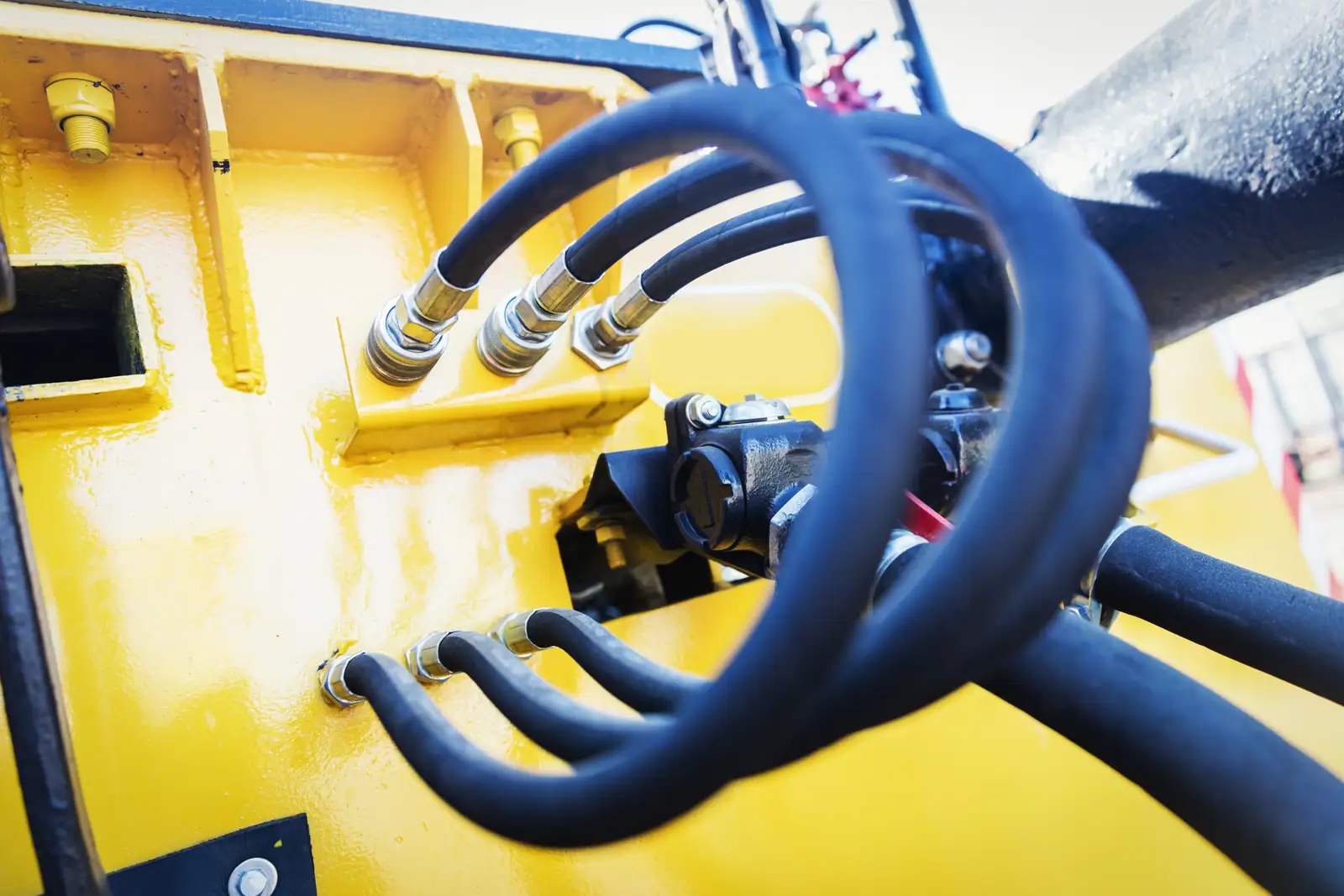
An equipment rental company places an excavator on a construction project in Ghana. At the start of the hire period the machine passes its inspection. Several weeks later it develops damage around a hydraulic line and returns to the workshop. The repair is completed and the invoice is recorded.
But the company cannot establish:
- When the damage first appeared.
- Which operator was using the machine.
- The exact project activity underway.
- Whether the condition had been reported earlier.
- Whether the machine was inspected at shift change.
- Whether the damage was consistent with normal wear.
- Whether the customer had already been notified.
The repair cost is known. The cause is not. The machine goes back to site, and three months later a similar repair happens. The business now holds two repair invoices and still has no operating history that explains the pattern.
The real loss is not the parts. It is the inability to connect the parts, machine, operator, project, event and repair into one history.
What a defensible damage record contains
A useful equipment damage record connects the incident to the operational context around it. Depending on the operation, that means capturing each of the following.
- Equipment. Machine ID, asset type, registration or fleet number, and the attachment in use.
- Operator. Operator identity, shift and supervisor.
- Time. Date, time reported, shift and time inspected.
- Location. Project, work area, section, and chainage where it applies.
- Condition. Observed damage, fault symptoms, severity and machine state.
- Activity. The work being performed, the load or material involved, operating conditions and other equipment involved.
- Evidence. Photographs, inspection record, operator report, supervisor verification and supporting documents.
- Response. Whether the machine stopped or continued, the temporary action taken, the repair request, the approval and the workshop action.
- Resolution. Repair performed, parts used, downtime, return-to-service inspection and final approval.
That creates a chain running from the event to the evidence, then to attribution, approval, repair and resolution. It is worth far more than a repair invoice standing on its own.
Record the condition before the repair

Good operators do not wait for a machine to enter the workshop before creating the record. They capture the change in condition at the point it is observed. The operator reports it, the supervisor verifies it, and the evidence is attached to the record while the shift is still running.
The responsible role then decides whether the machine keeps working, operates under restriction, moves to inspection, stops immediately or enters the workshop. The repair becomes the next event in the same record rather than the start of a new one.
That creates continuity, so the organisation can see what happened, what decision was made, what repair followed, what it cost and when the machine returned to work.
Connect the photos, fault and repair
A maintenance system holds an excellent work order. A fleet tracker holds the machine's location. A photograph shows the damage. A spreadsheet holds the repair cost. Check that the machine, incident, photos and repair can be traced together.
The same gap opens when damage is recorded through WhatsApp. A photograph shows the damaged component, a message carries the time, a supervisor knows who was operating the machine, and the workshop knows what was repaired. While those pieces stay disconnected, management still has to reconstruct the event from memory.
Darikoda works on the opposite principle. The event, the attribution, the approval and the supporting evidence stay connected inside one operating record.
Follow the fault through to the repair
A better workflow starts at the first observable change and runs through to the machine going back to work.
- Capture. The operator or supervisor records the condition immediately.
- Attribute. The record identifies the machine, operator, project, location and shift.
- Evidence. Photographs, inspection detail and supporting information are attached.
- Verify. A supervisor or authorised role confirms the record.
- Approve. The right person decides on repair, continued operation or further inspection.
- Repair. The workshop records the corrective action.
- Close. The machine is inspected before it returns to normal operation.
The complete history now exists, and it exists in one place.
Best practices for equipment damage records
- Record damage at the event. Do not wait until the machine reaches the workshop.
- Record the pre-existing condition. Where equipment moves between projects, operators or customers, record its condition before the new assignment begins. This matters when equipment is rented to customers or moved between your own projects.
- Photograph the condition. The photographs should sit inside the record, not beside it.
- Identify the operator. Without operator and shift information, accountability becomes guesswork.
- Connect damage to downtime. Record how long the equipment was unavailable and what work it held up.
- Connect damage to repair cost. Management should be able to trace the incident through repair, parts, labour, downtime and financial impact.
- Close the loop. A repair is not complete because the workshop finished its work. The machine needs a return-to-service record.
Separate wear from incidents
Not every repair is caused by misuse. The record should distinguish between:
- Normal wear.
- Scheduled maintenance.
- Accidental damage.
- Operating incident.
- Suspected misuse.
- Unresolved cause.
Keep confirmed findings separate from suspected causes so the workshop and customer can review the same facts.
How Darikoda solves it

Darikoda provides the operational record layer between the field event and the office decision. The aim is not to create another maintenance ticket. It is to keep the context around the machine.
A damage event sits inside the wider record of the equipment, the operator, the shift, the project, the location, the activity, the condition, the evidence, the approval, the repair and the downtime. That makes the operating history useful well beyond the workshop.
Operators looking at this from the operating-record, maintenance, fleet, downtime or plant-hire angle can read the role-specific views below.
The commercial record matters too
Equipment damage becomes most sensitive when one company owns the machine and another company or subcontractor operates it. Equipment rental businesses need the condition at dispatch and return, the hire dates, reported faults and repair history to understand those costs.
The same principle applies to damage. A commercial record should let management separate damage the owner carries from damage tied to an operational event that can be evidenced and investigated. Dispatch and return records give both parties a clear starting point for that review.
The real test
The test of a damage record is not how much detail it holds. It is whether it can still answer the attribution question three months later, when the machine is back on site and the argument starts.
Key takeaways
- Equipment damage is an operational event before it becomes a maintenance expense.
- A repair invoice tells you what was fixed. It does not tell you what happened.
- Operator, machine, project, location, time and evidence have to stay connected.
- Damage records should connect directly to repair approvals and workshop history.
- Downtime belongs in the record alongside the damage event.
- Plant hire businesses need defensible condition and attribution records most, because another organisation is operating the machine.
- Good records reduce reconstruction, improve accountability and strengthen commercial decisions.
- The strongest record is created when the event happens, not weeks later.
Frequently asked questions
- What should an equipment damage record contain?
- At minimum it should identify the equipment, the operator, the date and time, the location, the damage observed, the operational activity underway, the supporting evidence, the action taken and the approval or verification.
- Why is operator attribution important for equipment damage?
- Operator attribution establishes who was using the machine when the event occurred. It provides context for investigation and accountability without automatically assigning blame.
- Should every equipment repair be treated as damage?
- No. Normal wear, scheduled maintenance, accidental damage and suspected misuse should be distinguished from each other wherever the evidence supports the distinction.
- Why should equipment damage be recorded before the machine reaches the workshop?
- The workshop sees the resulting condition. The field record preserves the operational circumstances around the event, including when and where the change was first observed.
- How do damage records help plant hire companies?
- They connect machine condition to the operator, project, shift and customer, which strengthens the evidence available when repair costs, damage responsibility or hire deductions are disputed.
- How do photographs improve equipment damage records?
- Photographs provide visual evidence of the condition at the time it was observed. They are most useful when connected to the equipment, time, location and incident record rather than stored separately.
- Should equipment damage records include repair approvals?
- Yes. Connecting the observed condition to the decision to repair creates a clearer audit trail and establishes who authorised the expenditure.
- Why should damage be connected to downtime?
- A damaged machine creates lost production or lost rental income. Connecting the event to downtime lets management assess the full operational cost rather than only the workshop invoice.
- Can GPS tracking record equipment damage?
- GPS and telematics provide useful location and machine-state information, but location data alone does not establish what caused a physical damage event. The operating record needs the context, attribution, evidence and approval chain as well.
- How does Darikoda handle equipment damage records?
- Darikoda connects equipment activity, attribution, evidence, approvals, maintenance and downtime, so the field event stays connected to the operational and commercial record that follows it.
Find where your operation is losing money
Operational problems are easier to solve when they are captured at source. The free 30-minute Operational Audit identifies weak workflows, missing operational records, delayed approvals and commercial leakage before they become expensive disputes or recurring operational costs. You keep the one-page map regardless of next steps.
Read the operating view for your role