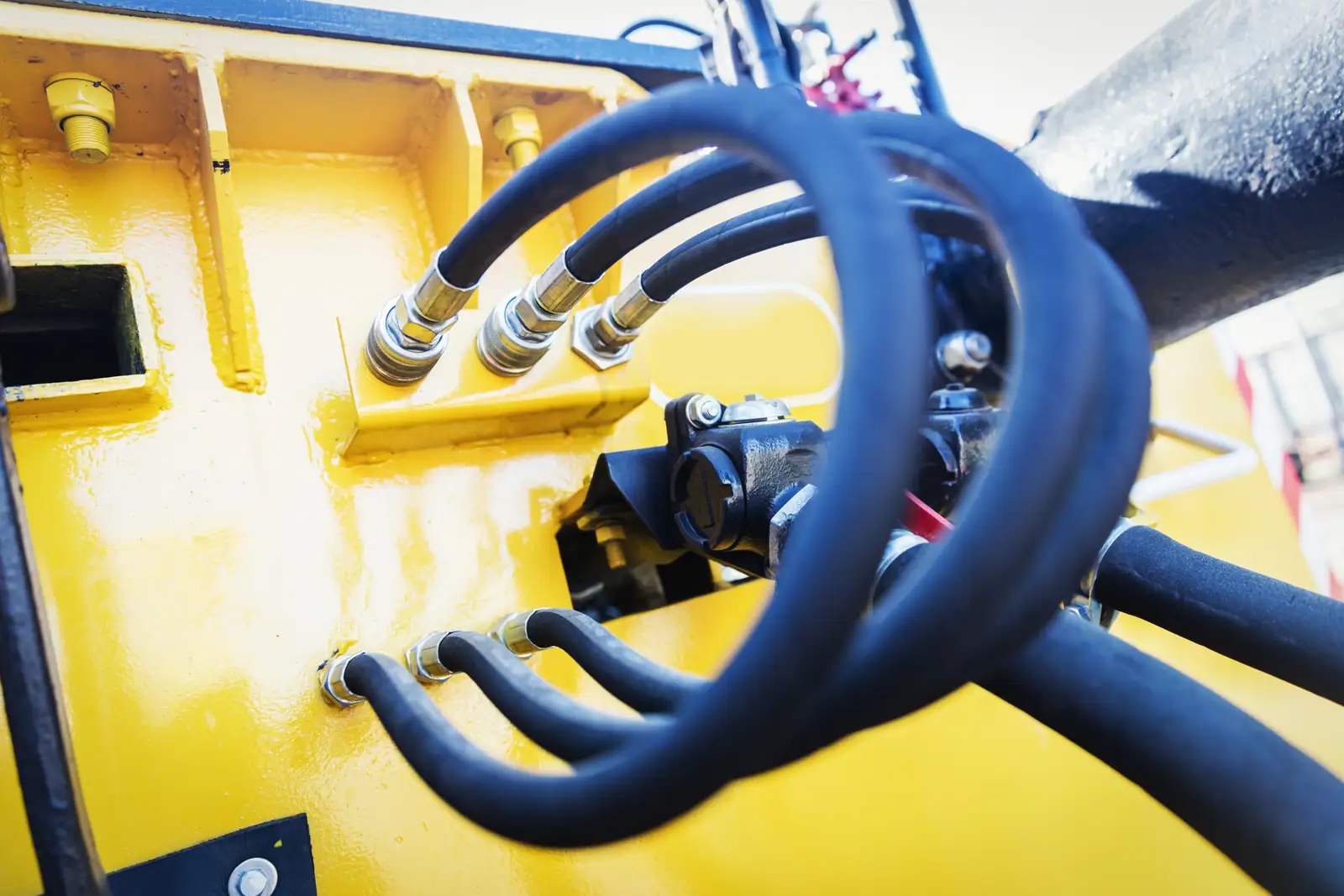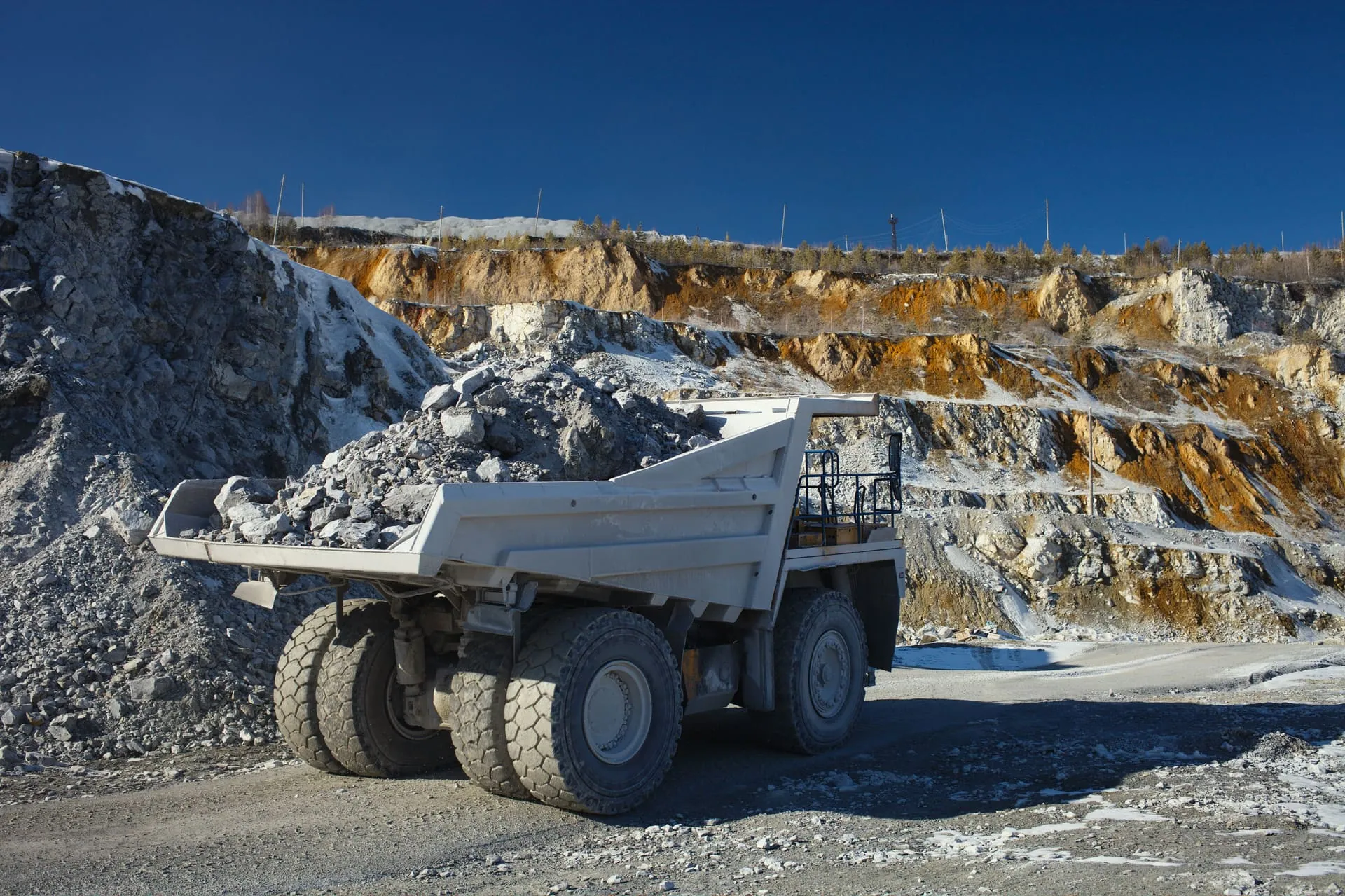
Machine availability measures how much of the fleet can be deployed when the work needs it. A fleet can own enough machines and still be short of usable equipment, so record what is blocking each one.
On this page
A company owns twenty machines and still has too little equipment available to deliver the work it has sold. The reason is simple. Ownership is not availability.
A machine sits in any one of these states while the fleet register still counts it as a company asset.
- Under repair.
- Waiting for a part.
- Awaiting inspection.
- Waiting for approval.
- Assigned to another project.
- Parked without an operator.
- Unavailable because of damage.
- Held for scheduled maintenance.
- Technically operational and not ready for the next job.
The register still shows twenty machines. The operation does not have twenty usable machines.
For mining, construction, plant hire and roadworks businesses in Ghana, machine availability is therefore a planning metric as much as a maintenance metric. The useful question is not how many machines the business owns. It is how many machines the business can put to productive work when the operation needs them.
The operational problem
Machine availability gets reduced to a single percentage in management reporting. Fleet availability, 82 per cent. The number sounds useful. It leaves out everything management needs in order to act on it.
- Which machines were unavailable.
- How long they were unavailable.
- Why they were unavailable.
- Whether the loss was planned.
- Whether the machine was needed during the period.
- Whether a spare existed.
- Whether the problem was mechanical or administrative.
- Whether the downtime was recurring.
- What work was affected.
An availability percentage without its underlying events hides the operational problem it is supposed to expose. A fleet reports 82 per cent availability while one critical excavator stands unavailable for two weeks and an underused machine sits ready in the yard. The average does not tell management what to do.
Why it happens
Maintenance is only one part of availability
A machine becomes unavailable through breakdown, scheduled maintenance, a parts delay, an inspection, a repair approval, a damage investigation, transport, an operator shortage, a missing attachment, a project reassignment or an administrative hold.
Not all of those belong to the workshop. That is why machine availability cannot be managed inside the maintenance department alone.
Critical machines are not equal
A fleet of ten excavators does not contain ten equivalent units. One machine is required for a specific production task, attachment, contract, haul route, work front or project stage. Losing that one machine creates more operational disruption than losing several interchangeable assets, so availability has to be read alongside operational demand.
Availability records sit in separate places
The workshop knows which machines are under repair. Operations knows which projects are waiting. Procurement knows which parts are delayed. Finance knows which repairs are awaiting approval. Fleet management knows where the assets are. Those records are rarely connected, so management receives the result without the explanation.
Why it costs more than you think

Lost production
The obvious loss is the work the unavailable asset cannot perform.
Replacement equipment
The business hires another machine, redeploys an asset, pays for additional transport or changes the project sequence to cover the gap.
Idle supporting equipment
One unavailable machine affects other assets. A loader problem leaves trucks waiting. An excavator problem leaves support equipment underused. A missing roller delays roadwork finishing activities. Availability is interconnected.
Project delays
When a critical asset is unavailable, the operational effect propagates through the work plan rather than staying inside the workshop.
Reduced rental revenue
For plant hire businesses, an unavailable machine is not merely an internal operational problem. It is an idle revenue-producing asset.
Emergency maintenance cost
Poor availability visibility forces reactive decisions. Urgent parts sourcing, expedited transport, external repair and short-notice hire all cost more than the planned intervention they replace.
Example: a grader waiting for a hydraulic part
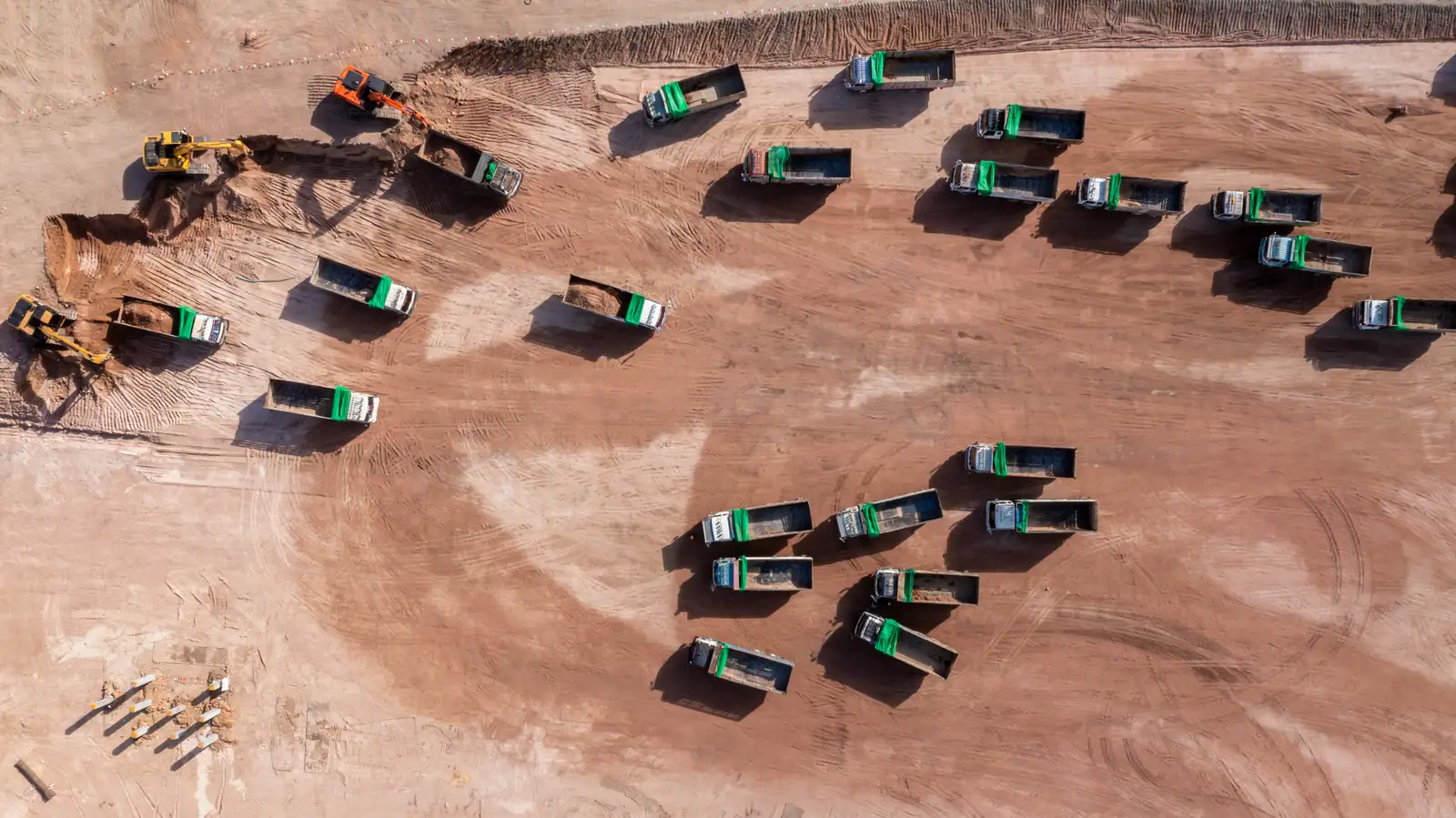
A construction contractor in Ghana has three graders supporting active roadwork packages. One grader is unavailable for ten days because of a hydraulic fault. The workshop is waiting for a part. Operations records the grader as unavailable. (Illustrative model, your number from the audit.)
The weekly fleet report shows grader availability at 67 per cent. Management sees the percentage. What management needs to know is more specific, because the project team is already rescheduling finishing activities, moving another grader off a different project, paying additional transport and delaying planned work.
The physical repair is one part of the problem. The operational impact started well before the workshop finished the job. That is why availability belongs on the record as an operational event with consequences rather than as a percentage in a report.
Availability is not utilisation
Availability asks whether the machine could work. Utilisation asks how much of that available capacity was actually used.
A machine is therefore available and underutilised, or unavailable and urgently required. Those two situations demand completely different actions. A machine standing unused because there is no current work is not the same as a machine that should be working and cannot because it is under repair, and the availability record should preserve that distinction.
Availability is not downtime either
Downtime is one part of the availability picture. A machine leaves the usable fleet through scheduled maintenance, breakdown, damage, parts, inspection, transport or an administrative hold, and only some of those are downtime in the workshop sense.
Downtime tracking categorises why an asset is not working, how long it is idle and who owns the bottleneck. Availability is the management view sitting above that. It answers a different question, which is how much of the fleet the operation can actually deploy against the work in front of it.
How to make the availability record useful
Good fleet operators treat availability as a live operational condition rather than a monthly statistic. For every critical asset they hold the current status, the expected return date, the reason for unavailability, the responsible function, the parts status, the approval status, the project requirement, the replacement option and the operational consequence.
That means a manager asks when the excavator will be available and gets a useful answer, instead of being told the workshop has it.
The availability chain
A useful machine-availability record connects the full lifecycle rather than recording a status at a single point in time.
- Available. The machine is operational and ready for assignment.
- Assigned. The machine is committed to a specific project or work front.
- Unavailable. A condition prevents productive deployment.
- Reason recorded. Breakdown, maintenance, damage, parts, inspection, approval, operator or transport.
- Recovery plan. The required action, the responsible person and the expected completion.
- Return to service. The inspection, the repair completion, the approval and the actual return time.
- Available again. The machine rejoins the usable fleet.
Recorded that way, availability builds a traceable history instead of a monthly number.
What a machine availability record should contain
A practical operational record covers the following.
- Machine ID. Identify the asset.
- Asset type. Understand the equipment class.
- Project. Know where the demand sits.
- Current status. Available or unavailable.
- Status start time. Measure duration.
- Reason. Explain the availability loss.
- Operator. Provide operational context.
- Workshop status. Track repair progress.
- Parts status. Identify supply constraints.
- Approval status. Identify administrative bottlenecks.
- Expected return. Support planning.
- Actual return. Measure recovery.
- Downtime. Quantify the lost time.
- Supporting evidence. Establish the audit trail.
The exact fields vary according to the operation. The principle stays the same. Availability should explain itself.
Best practices
Establish one fleet status language
Everyone uses consistent definitions. Available, assigned, planned maintenance, breakdown, damage, waiting for parts, waiting for approval, awaiting inspection, transport, and unavailable for another recorded reason. Do not let every department invent its own status names.
Timestamp every status change
A machine should not simply be labelled down. The record should show when it became unavailable and when it became available again.
Separate planned from unplanned unavailability
Scheduled maintenance is not an unexpected breakdown, and the management response should reflect that difference.
Assign ownership
Every extended unavailability event carries a responsible function. Workshop, procurement, operations, finance or site management. That is what turns the report into an action mechanism instead of a summary.
Connect availability to demand
An unavailable machine matters most when the operation needs that machine. A fleet holds good overall availability and still fails a critical project because the wrong asset is the one standing idle.
Track recurring availability losses
One ten-day breakdown matters. A pattern of repeated two-day breakdowns matters more. Management should be able to identify recurrence by machine, component, site, project, maintenance history and operating condition.
Connect the information your team needs

A fleet system shows an asset offline. A GPS system shows no movement. A workshop system shows a work order open. Those are useful signals and they are not the operational record.
Management needs to know why the machine is unavailable, what is blocking recovery, who owns the next action, when it is expected back and what operation is affected. That means linking the field event to the structured record behind it, including the equipment, the operator attribution, the approvals, the maintenance and the evidence.
How Darikoda solves it
Darikoda tracks actual running hours against idle time, equipment utilisation and downtime causes, so management reads the operational state of individual assets rather than a single fleet-wide percentage.
The maintenance workflow connects the field defect to the workshop work order, the approvals, the parts and the maintenance spend, which puts one visible thread on the asset. Machine, condition, cause, owner, action, repair, return to service.
That record separates four situations a percentage cannot. A fleet held back by genuine mechanical constraints. A fleet held up by parts. A fleet delayed by approvals. A fleet that is technically available and poorly utilised. Each one has a different owner and a different fix.
Operators looking at this from the operating-record, fleet, downtime or maintenance angle can read the role-specific views below.
What management should see
A useful daily or weekly availability report answers more than what percentage of the fleet is available.
- Asset availability. Which machines are available now.
- Critical unavailable assets. Which unavailable machines are affecting active work.
- Reason. Why each asset is unavailable.
- Duration. How long it has been unavailable.
- Recovery. What has to happen before return to service.
- Owner. Who is responsible for the next action.
- Demand. Which project or work front needs the machine.
- Trend. Whether the same machine is becoming unavailable repeatedly.
That turns availability reporting into a management system rather than a statistic circulated on a Friday.
The commercial question
Availability ultimately answers a commercial question. Are we getting enough usable capacity from the assets we have committed capital to?
For an owner-operator that affects asset utilisation, project delivery, maintenance cost, capital planning and replacement decisions.
For a plant hire company it affects rental availability, revenue days, customer commitments, redeployment and maintenance scheduling.
For a mining contractor it affects production, haulage capacity, cost per tonne and contractor performance.
For a construction contractor it affects work-front readiness, programme delivery, equipment allocation and project margin.
Availability is not a workshop KPI. It is a business KPI.
The real test
The goal is not a higher availability percentage. It is usable fleet capacity at the moment the operation needs it, which is a different target and a different set of decisions.
Key takeaways
Owning an asset is not the same as having it available for work, and the gap between the two is where fleet capital quietly stops earning.
- Owning an asset does not mean having the asset available for work.
- Availability and utilisation are different measurements.
- Availability and downtime are related and not identical.
- A useful availability record identifies the reason, the duration, the owner and the recovery plan.
- Critical asset availability matters more than a single fleet-wide average.
- Planned and unplanned unavailability should stay distinguishable.
- Parts, approvals and administrative delays cost as many days as mechanical faults.
- Return to service is an event to be recorded, not something assumed when the workshop finishes.
- Availability history is worth far more once it is connected to maintenance, utilisation and operational demand.
- The goal is not simply higher availability. It is usable fleet capacity when the operation needs it.
Frequently asked questions
- What is machine availability?
- Machine availability measures whether an equipment asset is ready and capable of being deployed when the operation needs it.
- What is the difference between machine availability and utilisation?
- Availability measures whether the machine could work. Utilisation measures how much of its available capacity was actually used.
- What causes low machine availability?
- Common causes include breakdowns, scheduled maintenance, parts delays, damage, inspections, repair approvals, operator shortages, transport and administrative holds.
- How should machine availability be measured?
- Record the availability status of the asset, when the status began, why the machine is unavailable, when it returns to service and the operational context around the event.
- Why do parts delays matter to availability?
- A machine is mechanically repairable and still unavailable because the required part has not arrived. That makes parts availability an operational constraint rather than a procurement detail.
- Why should approval delays be recorded?
- A repair is technically identified and still outstanding because the approval is delayed. Recording the approval step shows where the recovery process is actually blocked.
- Is scheduled maintenance counted as downtime?
- That depends on the reporting definitions the organisation sets. It should be tracked separately from unplanned breakdowns so management can distinguish planned capacity management from unexpected availability loss.
- Can a machine be available and still unproductive?
- Yes. A machine is ready for deployment and has no work, poor scheduling or another operational constraint against it. That is a utilisation issue rather than an availability failure.
- How does availability affect plant hire businesses?
- Unavailable equipment cannot generate rental days or fulfil customer commitments. Reliable availability records show hire firms which assets are commercially deployable and why the rest are not.
- How does Darikoda improve machine availability?
- Darikoda connects equipment activity, downtime, maintenance, approvals and operational evidence so management can see why an asset is unavailable, who owns the bottleneck and what is required to return it to service.
Find where your operation is losing money
Operational problems are easier to solve when they are captured at source. The free 30-minute Operational Audit identifies weak workflows, missing operational records, delayed approvals and operational leakage before they become lost production, idle assets or unnecessary fleet cost. You keep the one-page map regardless of next steps.
Read the operating view for your role